I will be posting quite a few MG novel reviews for the next few weeks (each one published within the last 5 years) since it is a requirement for one of my classes: “Writing for the Middle Grade/YA Reader.” Since my own MG novel I’m working on is about a ghost mystery, I thought I’d delve into MG readers with similar themes.
Summary
Twelve-year-old Emmy barely remembers her father and has a shaky relationship with her mother. After her “parent-expert” mom must film a series about her wonderful parenting skills, Emmy finds herself in an English boarding school with a mysterious past. She soon learns of a secret society that her father’s past is somehow connected to and, with the help of her two new friends, must escape the danger that surrounds it…before it’s too late.
Plot. Though in the popular “Boarding School Genre” that so many MG novels have been of late, it spins a fresh tale that incorporates history as well as mystery, which I have always been a fan of.
Characters. Just when I think I have a character figured out, I find myself asking: “Wait…Who is the bad guy?”. The complexity of the characters was present, which is refreshing to see for a novel for younger audiences.
Descriptions. There are just enough details to foreshadow or bring back us back around to the plot. The dialogue in itself describes the story, which is always wise to do in a MG novel.
Dislikes/Weaknesses
Editorial errors. I noticed a couple of spelling/grammar issues that weren’t caught in the editorial process. It’s probably just my own writer’s mind editing as I go.
Author
This is Julia Nobel’s debut novel. In her author bio, it says that she is also mother to a young daughter; I truly admire those authors who write and raise children. It gives me, a single non-parent, more motivation to find the time to write.
Recommendations
I would recommend this novel to MG readers as well as readers of any age who enjoy a good historical mystery!
“There was a story in that painting, though I did not fully understand it. I merely knew that it was there.”
— Thomas James, The Portrait, 136-137
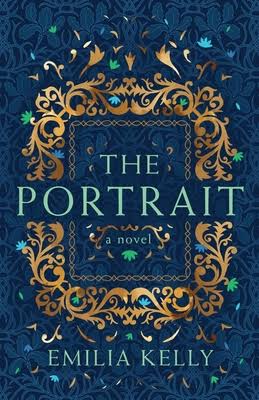
This is one of the self-published books I’ve had on my TBR shelf since I attended Storymakers conference this year and it did not disappoint (this review does contain a couple of spoilers, so be sure to look out for those)! I was initially drawn to its beautiful cover and once I learned it was a historical fiction suspense story, I was sold!
Summary
Iris Sheffield thinks she has won the jackpot when she gets engaged to the handsome Winston, wealthy heir to the glass business that is commissioned to build the glass palace to house Victoria and Albert’s “Great Exhibition.” With his help, Iris can surely afford to care for her ailing sister. However, after she discovers a mysterious journal at his estate, Iris finds herself caught in an intrigue that also surrounds her fiancé’s painted portrait. While she reluctantly has her own portrait painted by a dashing young painter named James, she enlists his help to solve the truth about her fiancé’s past before it is too late.
Likes
Setting. The story is set during the dawn of a significant event in London–the building of the Great Exhibition–which eventually became the bedrock for today’s infamous Victoria & Albert Museum (which I have visited before and each time was completely blown away by the sheer volume of all those artifacts!). I like reading stories where the setting is clearly defined, because it adds strength to the historical fiction genre as a whole.
Protagonist. The reader is immediately put in the mind of Iris, so when she uncovers elements of the plot, so do we. I like reading historical fiction in first-person narration, because it becomes easier for me to feel the fear, confusion, or thought-process of the character a little more clearly.
Mystery. Suspense is always an effective genre to pair with historical fiction and I definitely felt like I was caught up in the mystery surrounding this novel. It was not too predictable and I found myself asking questions like: “Is her fiancé good or bad?”, “What happened to the journal’s author?” “Will the romance develop?”.
Pacing. There were little to no lulls that took place throughout the story, which made it easy for me to finish the story without any long pauses between readings.
*Spoiler* Antagonist. This is just a personal opinion of mine, but I found myself wanting more evidence of whether or not Winston was the “bad guy”. There were subtle hints, but I felt like they could be more poignant in parts. I know that can be difficult without giving too much away, so I can see why the author held back on that.
*Spoiler* Love-Interest. I personally am not a fan of the arrogant love-interest unless they are humbled or their vulnerability shows through in some way later. While he had some moments of this, I still feel like James’s arrogance came back in the end, but that could have just been attributed to his character.
Author
This is Emilia Kelly’s debut self-published novel. I had the pleasure of meeting her at Storymakers and she was a very friendly person who informed me about her book and showed me a wonderful trailer for the novel that captured my interest even further. She includes a list of book club questions for readers of The Portrait on her website here, which will help readers engage even further with the story!
Recommendations
Overall, I thoroughly enjoyed this story! It had wholesome aspects of suspense, romance, intrigue, and history (all of which are elements in storytelling that I am a fan of). So, I recommend this tale to readers of those genres as well as other self-published authors who would like to read more from authors like them!
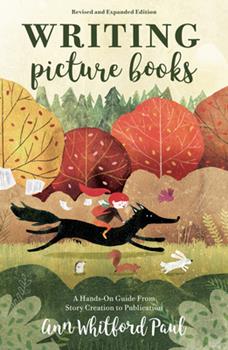
This was another required text for my grad certificate class “Writing Children’s Picture Books” and I learned a lot more than I expected from it regarding the picture book drafting process, such as the inclusion of figures of speech, format, book dummying, dialogue, and POV.
Summary
Paul takes her readers through the writing process pertaining specifically to writing and publishing children’s picture books. She does so through the employment of examples from well-known picture books as well as from her own publications.
Photo by Nina zeynep gu00fcler ud83eudd95 on Pexels.comPhoto by Polina Tankilevitch on Pexels.comPhoto by Helena Lopes on Pexels.com
Likes/Strengths
Organization. Though our class was not instructed to read every chapter, the ones covered brought us through the process very fluently as one chapter would transition very cohesively into the next.
Examples. The author incorporated examples from real picture books of how the topic in each chapter was done effectively or ineffectively and why.
Interactive activities. Each chapter concluded with an invitation on the author’s part for the reader to practice the instruction covered in the given chapter with their own drafts.
Dislikes/Weaknesses
Some redundancy. I felt like some of the chapters contained some repetitiveness in topics covered, but that may have been due to referring to previous instruction.
Author
As I mentioned before, Ann Whitford Paul is a children’s book author of over 25 books and this is a revised edition of her one published instructional text. Due to her extensive publishing career in the realm of picture books for children, I can see how credible she is as an instructor of the craft. Her website can be found at annwhitfordpaul.com.
Recommendations
I recommend this text to picture book authors as well as authors looking for instruction about how to simplify their writing process. This has been a very effective text for my own learning of the craft of children’s picture book writing and I know it could be for others if implementing in other creative writing curriculums!
I recently finished this book as a required text for a class I am enrolled in for my Creative writing Certificate, “The Art and Craft of Creative Writing”. I can say that while there are a lot of nuggets of wisdom for the aspiring writer, along with some entertaining anecdotes and scenes from Stephen King’s writing journey, it wasn’t fully my cup of tea. But let’s take a look and you can be the judge!
About
The theme that I observed in these memoirs was what events in his life influenced his writing. He describes some trauma he endured, which may or may not have influenced some of his more fearful tales, but when he started to transition into writing stories for his mother it became clearer how events in his life, like when his mother said, “it was good enough to be in a book” (pg. 29) made him happy enough to pursue writing. King then introduces readers to his own “writer’s toolbox” and informs them of the tricks and tips that helped him on his own writing journey.
Likes/Strengths
“When you write a story, you’re telling yourself the story…When you rewrite, your main job is taking out all the things that are not the story.”
— Stephen King, On Writing, page 57
Stance on editing. I can’t tell you how many times I have fallen into the trap of editing as I write a story for the first time and then just end up getting frustrated and shelving the thing. That’s why I appreciate how King separates what is essential to the story versus what is not as important in this way. It makes me wonder how long books like Les Mis or The Hobbit originally were compared to their epically lengthy finished products they are today.
Drops hints about things that influenced future work. For example, he never comes out and says it, but when he cleans the bathrooms with his friend, his friend imagining breaking through the girl’s bathroom with an ax reminds me very much of Johnny in The Shining. Other times King comes out and says what influenced something like how when he cleaned out the girl’s bathroom, he references a scene from Carrie, when the girls throw tampons at her when she gets her period. In another instance, he says how people describing giant rats in the basement as the size of dogs influenced Night Shift. It’s references like these that keep me going back to the book and finding out what else introduced him to such creepy and memorable stories.
Creating writing symbols or metaphors. “Telepathy” is quite an inventive word to connect the writer with the reader. This “meeting of the minds” (pg. 106) he talks about is a thoughtful way to connect what the reader reads versus what the writer writes or may be implying.
Effectively parallels his accident to his writing journey. He showed how getting better physically helped him get back into his writing routine and move forward with what he loved to do. Or his emotional/mental health was helped through writing again. I especially admire when he follows up with is concept; about how
Writing is “about enriching the lives of those who will read your work, and enriching your own life, as well. It’s about getting up, getting well, and getting over.”
Stephen King, On Writing, page 269
I think this statement resonated with me because it is very applicable to my own situation. I struggle with my mental health, but when I write, it is one of the ways that I feel that I can get my mind well. Keeping your mind well is important and so is writing with a healthy motivation. I’m glad that we saw this vulnerable side of King to better understand not only his memoir, but why writing is so important to him.
Dislikes/Weaknesses
“As it happens, I agree with my mother: profanity and vulgarity is the language of the ignorant and the verbally challenged. Mostly that is; there are exceptions, including profane aphorisms of great color and vitality…”
— Stephen King, On Writing, page 187
Profanity. I agree with this quote to an extent. Just because someone can take liberties with profanity does not mean they should, especially considering their audience. If their characters would say such things, then have them say them, but don’t go overboard. Profanity for profanity’s sake is a waste of words that should add shock value instead of simply filling dialogic space. That is when I see unintelligence.
King relates dialogue to honesty and how an author should always generate honesty in their work. The way that he thinks this can be done most effectively is through the dialogue the characters present. I agree that language is one of the best ways to convey truth, but always consider your characters; how they speak and why they speak the way that they do. Are they ignorant? Smart? Is their language foretelling of future events? Are they the villain or the hero of the story?
Author
Any horror reader will have at least one of Stephen King’s books in their personal library. King has authored over 50 books, many of which have been adapted onto the big screen. He recently has veered away from writing solely horror and has entered the realm of fantasy with newly released books like The Eyes of the Dragon and Fairy Tale.
Conclusion
Overall, the strong language is what got to me—that and King’s occasional attitude that he is right and other writers are wrong—I know that it’s a memoir, but it is also an instruction manual for writers, so while it is important to show honesty, I wasn’t expecting the language to be that raw and unfiltered. If this is not something that bothers you, I would recommend this book, but if not, I would recommend another alternative memoir/instructional text for a creative writing class.
…“When in eternal lines to time thou grow’st: So long as men can breathe or eyes can see, So long lives this, and this gives life to thee.”
— William Shakespeare , excerpt from Sonnet 18
Summary
This regency mystery centers around a woman named Miranda’s quest to find the lost manuscript of William Shakespeare. With the help of her father and fellow scholar Lord Robert Hamilton, she journeys to the abodes of Shakespeare’s past and uncovers a secret far more intriguing than she ever could have hoped.
Strengths/Likes
Subject matter. I could tell that Hastings did her research (and it helped that she included some author notes about the historical accuracies/inaccuracies). Including a sonnet to introduce each chapter really tied the whole thing together. Her knowledge and research on the bard Shakespeare shined through and her description to detail brought me back to Stratford-upon-Avon when I visited it many years ago.
The twist. Without giving too much away, I can only say that their discovery about Shakespeare’s sonnets was very satisfying and unfolded very well, given the evidence the characters were able to discover.
Romance. While some readers may not like the fact that the romance was not the sole plot of this regency setting, I thought it was refreshing that the plot’s literary mystery took the forefront of the story. Since the focus was on the mystery, as Miranda and Robert pursued it, the reader was still able to see the romance between them blossom on an intellectual level.
Weaknesses/Dislikes
The antagonist. While the author did a fine job crafting an antagonist as one to be hated—as any villain should be—I thought Miranda’s rival was a little too cliché/predictable in terms of his ambition to find the manuscript before her. This, to me, gave him more of a “mustache-twirling villain” resonance.
Author
I don’t think I’ve read anything from this author before, but her story was very engaging. If she wrote more stories like this, I would happily read another! Samantha Hastings has written quite a few books so I am curious to see what else she has written. More of her writing can be found at www.SamanthaHastings.com.
All-in-all, this was a very charming tale! I would recommend it to both Regency-era and Shakespearean readers alike, as well as historians and those who enjoy proper regency romances.
What a blessing it was to attend the 20th Anniversary of Storymakers Conference this month! I took advantage of opportunities to network with writers from Latter-day Saints who write in my genre, received instruction from experts in their writing field, and obtained feedback for my novel chapters. I also was pleased to learn the importance of building my author brand, setting goals for my writing time, and how to properly market my book.
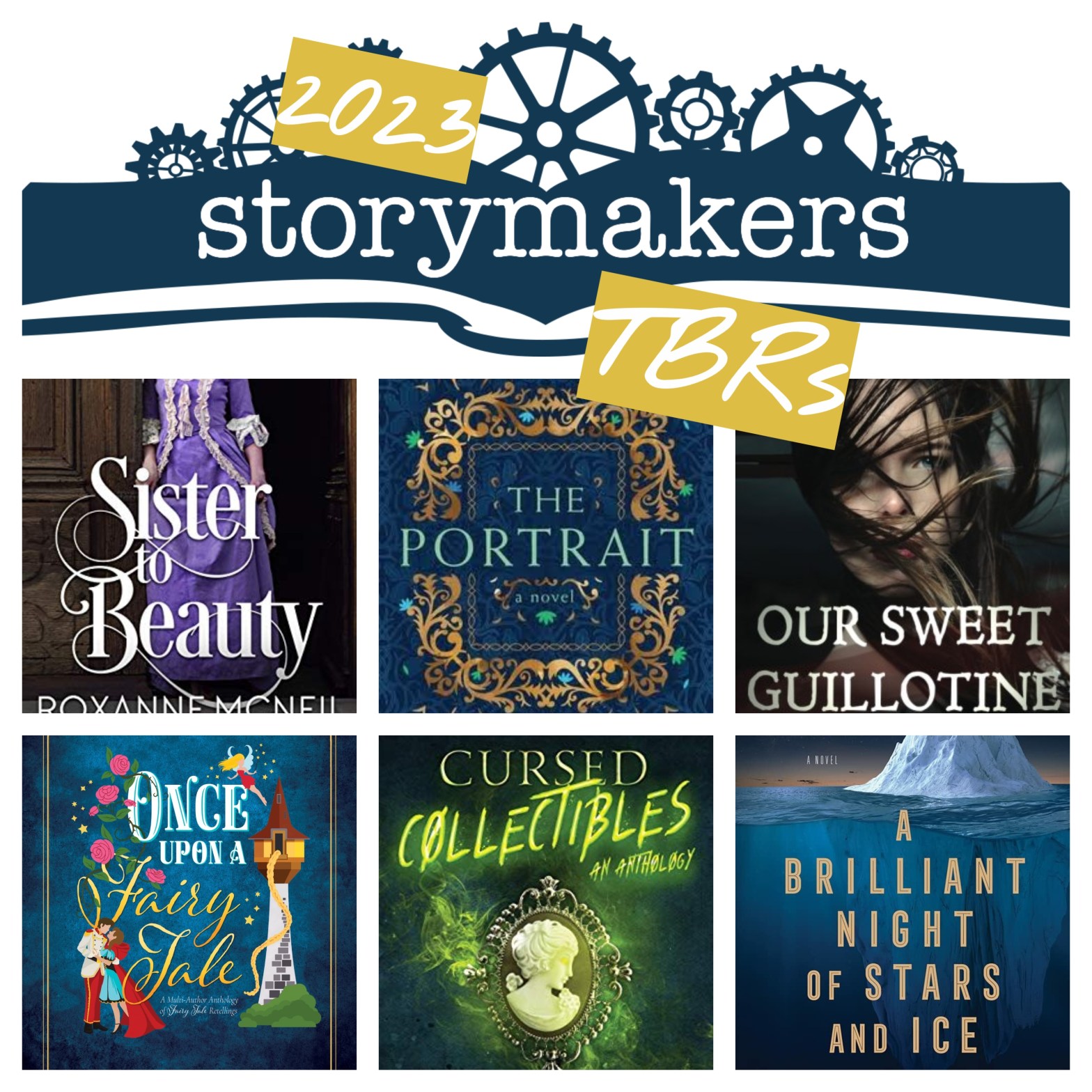
In addition to networking, I was exposed to new book titles from fellow authors at the conference book signing that I wish add to my TBR shelf:
I’m excited to delve into this one! I was privileged to meet the indie-publishing author of this title and she had a very impressive trailer for it on YouTube. A story about a Victorian historical mystery surrounding a portrait? Yes, please!
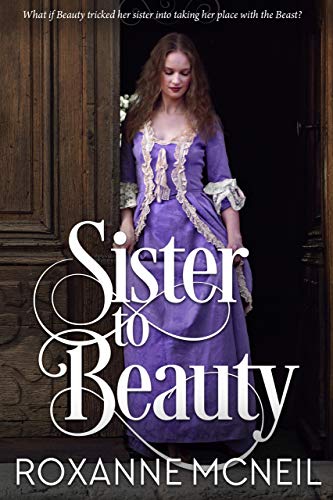
How lucky was I to bump in to another author who writes historical fantasy? Especially fairytales? I was able to talk with her about her Beauty and the Beast retelling as well as get her feedback regarding my own Jack and Jill spin-off.
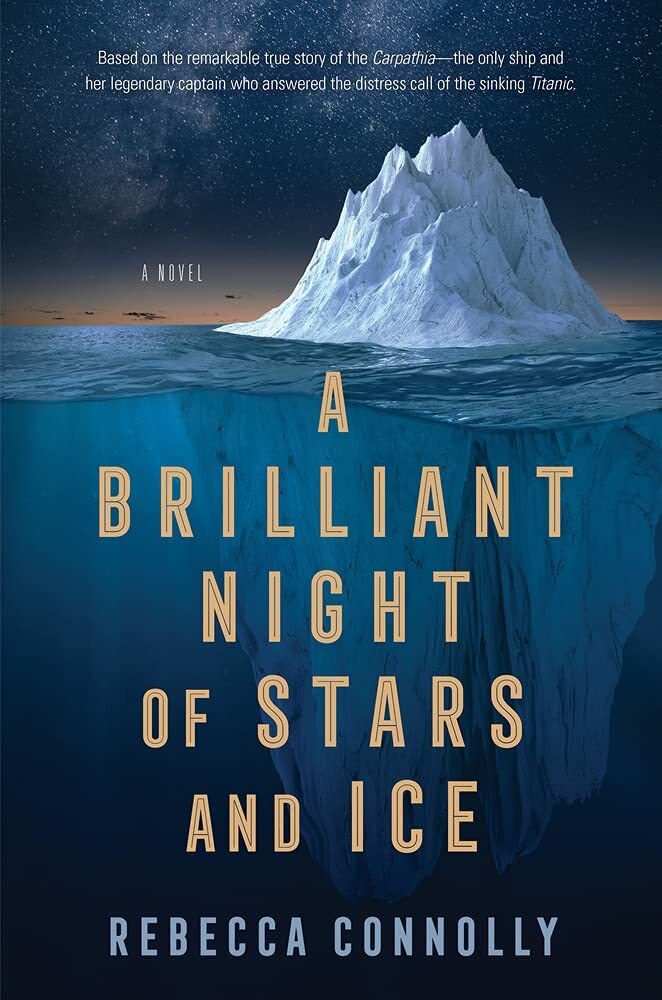
How often do you write a story about one of your own ancestors? Especially one who has a story to tell about one of the most dramatic incidents in history? I am a sucker for Titanic stories and I have a feeling this one will be no exception!
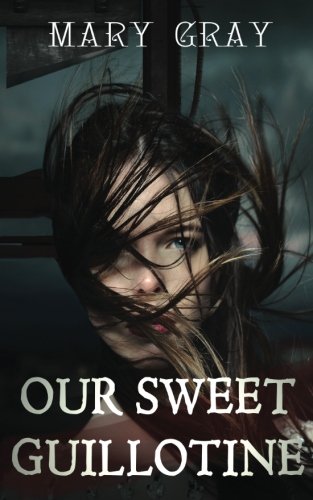
This has been on my list for a while; I am a fan of books that are dark in which the character(s) overcomes the darkness. I was lucky enough to meet a representative from Monster Ivy Publishing at Storymakers and though she did not have this book on hand the first day, she was kind enough to bring me the book the next day! What an awesome experience!
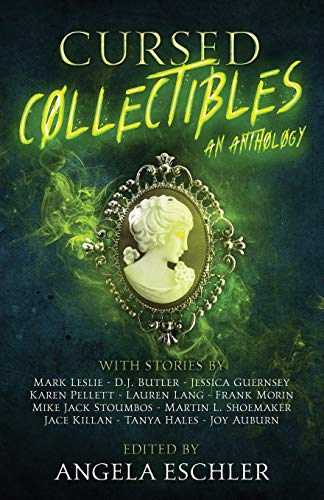
I had the privilege of meeting and being instructed in the ways of NaNoWriMo planning with Jessica Guernsey. When I learned she wrote short stories like me, I had to purchase one of the collections where her stories appear.
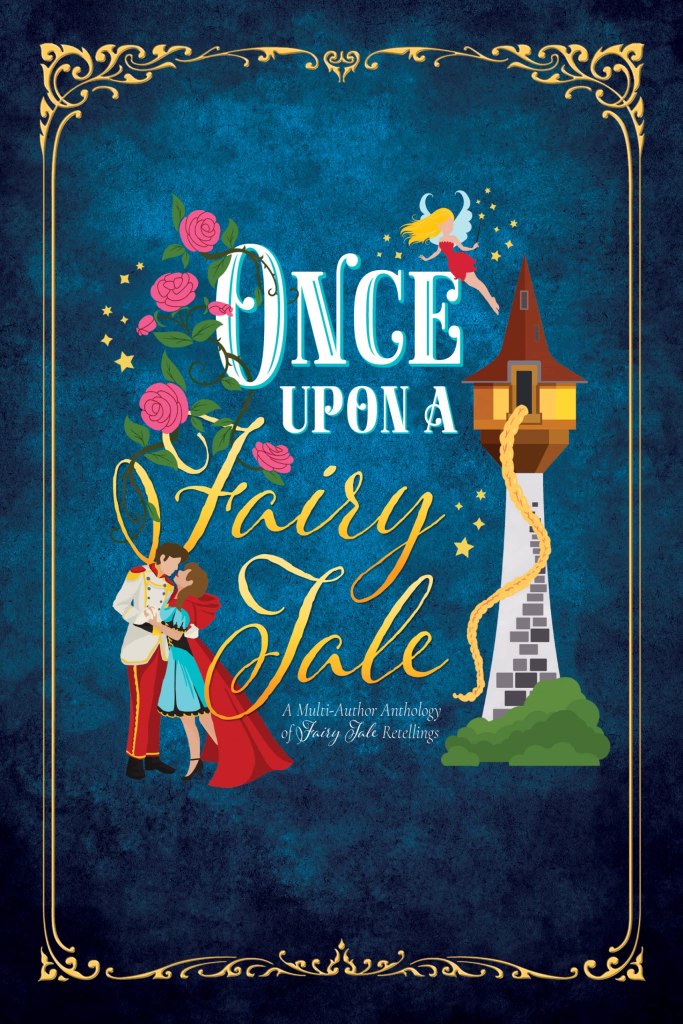
After hearing (and seeing the monstrous 700-page size of) this fairy-tale-themed anthology was soon to be out-of-print, my curiosity was piqued. I was also lucky enough to have met and had it signed by two of the authors, Clarissa Kae and Rebecca Connolly.
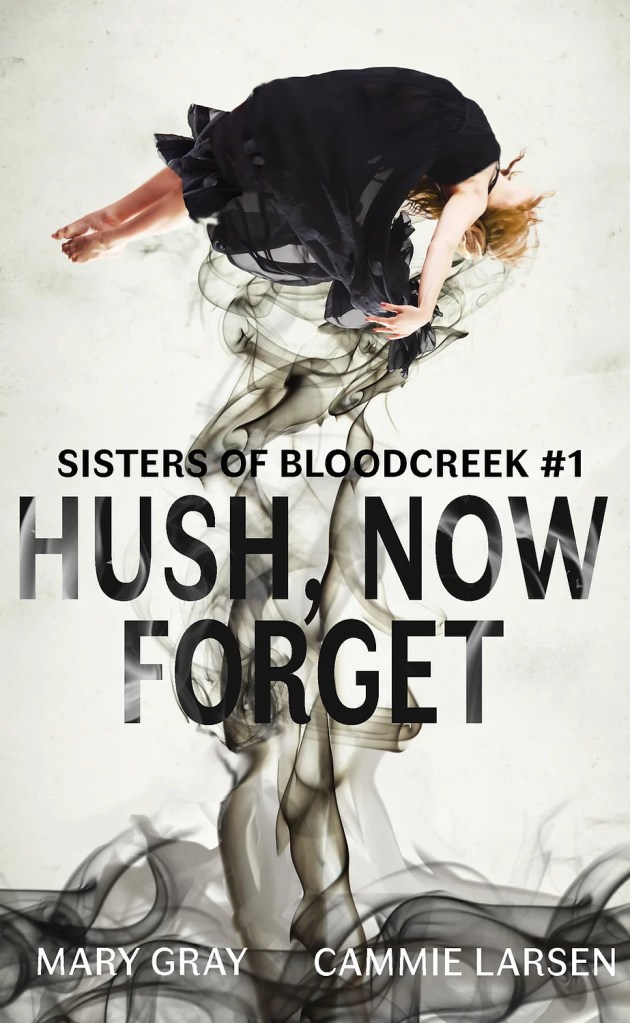
How fun to be able to collaborate on a story with your sister! After telling the publisher the genre I like (above) she said that this book is one for me!
So, here’s to reading and writing more in time for next May! I can’t wait to see what the 2024 Storymakers Conference (themed: BRAVE) holds in store!
Don’t pamper your characters. Show their pain, their fears, their humanness. Your characters are like your children; raise them as such. PLEASE don’t give them the “I’m not like other people” trope! Here are some ideas to apply to your character so you can avoid it:
Give them consequences. How often do you read about a main character who seems invincible or immune to the consequences of his actions (whether good or bad)? I’m sure we are all familiar with the “assassin” trope that has become so popular in recent literature. It almost seems like humanizing the bad guy still makes us fall short of seeing their consequences for their unwise actions. Why is this? Probably due to the stigma that has arisen that if we should sympathize with the villains, the best way to do that is to erase accountability. Please don’t do that.
Give them a goal. Don’t just have your character walking around all willy-nilly without a purpose. While they may not know their purpose yet in the story, it is always a good idea to give them an objective (that may or may not be thwarted by conflict later in the story) that may help flesh out their personality.
Acknowledge their weaknesses. People have weaknesses right, so wouldn’t it make sense if the person in your story did too? Not only will it help make your character more human, but it could be a way the reader can empathize with the character or make connections with the story.
Don’t allude to their importance. This can be applied whether it is from your own point of view or from the supporting characters. Too many times do things happen to characters in YA literature that only happen “because they are the main character.” In Twilight, we see this with our main character Bella, as well as in other YA romances like Fallen’s Luce and Myra Dyer and the Myra Dyer Trilogy.
Have them learn something. Whether it occurs at the story’s resolution or throughout, when a character learns something constructive (whether through their consequences, pursuing their goals, etc.), it not only strengthens the believability of the main character’s arc, but it also reinforces the connection between the reader and the story.
Hopefully this list will help you flesh out your main characters a little more when you craft your stories!
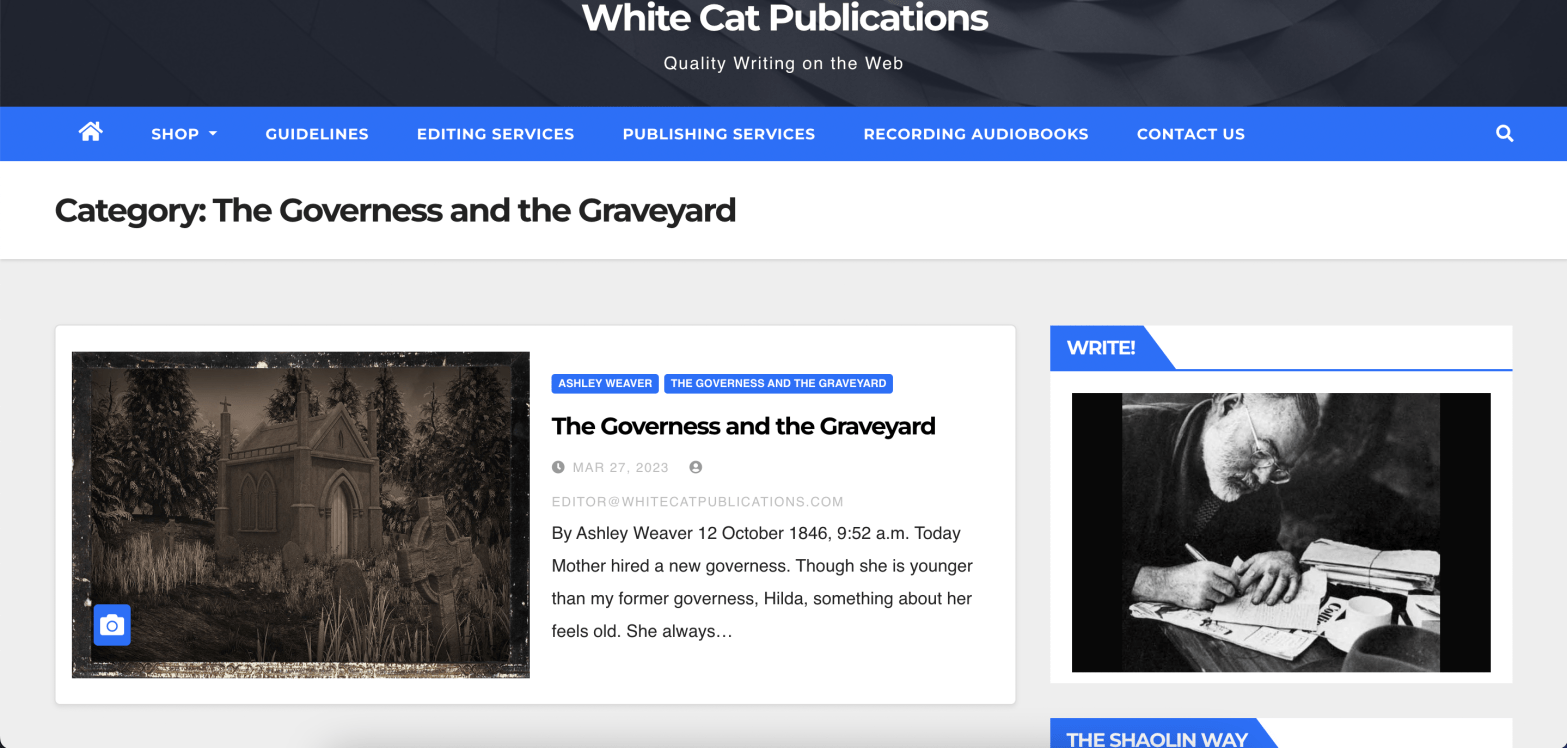
Greetings! Just a word that my new short story titled “The Governess and the Graveyard” was published today online at White Cat Publications. If you are a fan of suspenseful stories, historical fiction, or supernatural thrillers (especially written in an epistolary way), check it out here!
I recently contributed an essay entitled “‘…But Not Yet’: Reflections on Juba, the Spirit Guide and ‘Eternal Echo’ of Gladiator” to a new anthology published by Vernon Press, which celebrates the anniversary of Ridley Scott’s seminal epic film Gladiator (2000). For those of you who are fans of this timeless film and the character Juba like I am, feel free to purchase and peruse this literary work here or here. Happy Reading!
“This volume adds to previous historical and political studies about ‘Gladiator’ with essays about the movie’s relation to pop culture and contemporary discourses. It not only relates ‘Gladiator’ to traditional cinema aspects such as heroism, music, acting, studio culture, and visual effects, but it also connects the film to sports, religion, and the environment, expanding the ways in which the film can be evaluated by modern audiences. The volume can be read by individuals or in classroom settings, especially as a recommended text for students studying the ancient world in film.”
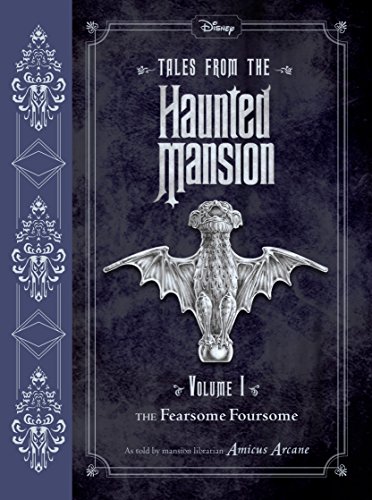
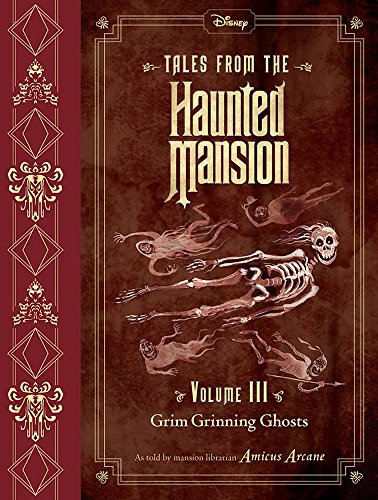
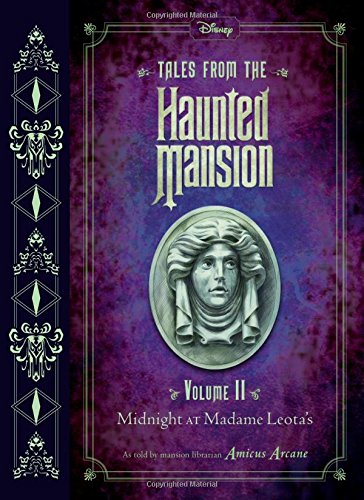
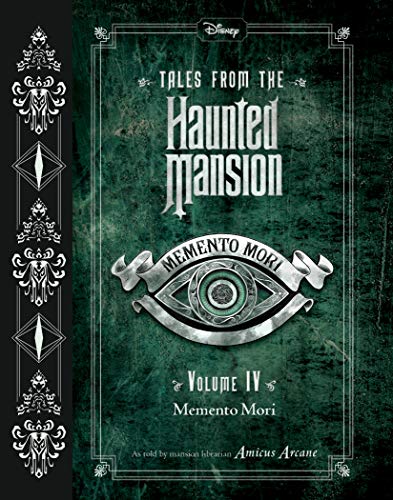
Being the fan of Disney’s TheHaunted Mansion ride—and of ghost stories for all ages—that I am, I was ecstatic to hear from my aunt that she saw this collection at Costco.
These four books each showcase short tales from the narration of the mansion librarian (who occasionally breaks the third wall and inserts his own ghost-punny comments here and there within each story). For fans of the haunted mansion ride at Disneyland and the movie with Eddie Murphy, there are little Easter eggs here and there of things you may have seen on the ride or in the film.
I’ve rated my opinion of each book from 4 to 1 (4 being least-liked to 1 being most-liked):
4. Volume I: The Fearsome Foursome
This one kind of shocked me that *spoiler* there were such violent deaths for the four kids in this story. I understand that they are four of the mansion’s ghosts, and it was a creative twist that they were already dead, but the fact they met such violent ends (most of them being “good” characters) turned me off. I kept reading, though, hoping the stories would get better, and luckily, they did!
3. Volume III: Grim Grinning Ghosts
This book contained subplot tales that revolved around things in the mansion versus the ghosts that inhabit it, which, although still entertaining, made it feel more like a filler book rather than one that drove the series plot like the rest of them did.
2. Volume II: Midnight at Madame Leota’s
I thought this one was sweet since it was focused on a family member of one of the kid ghosts missing his sister. It shows the grieving process in a way that anyone can relate to and his desire to see her again and see if she is at peace. I’m glad it ended happily instead of with another death.
1. Volume IV: Memento Mori
This was a good wrap-up of the series since it epitomizes the themes of many ghost stories: that ghosts’ memories are subjective, ghosts seek to either help or seek revenge, and that scenes of tragedy tend to replay in the hope of a ghost completing their unfinished business.
Likes
No swearing. In the true spirit of Disney (or what Disney used to be), I’m happy to read tales that refrain from profanity and instead focus on the genre in which the tales are written.
Bad Guy Karma. “Bad (or selfish) guys come to bad ends.” When this trope comes into play, it usually lessens the blow of reading about gruesome deaths.
Genre. I think that ghost stories should be written for children to teach them something, and most of the tales in these volumes do just that.
Journal Included! It’s nice the authors invite the reader to contribute their own creative writing skills.
Dislikes
Good guys dying. I know that it’s not always the bad guy who bites it in horror/thriller movies and books, but it’s sad to see it happen…especially in a middle grade series.
Breaking of the third wall. This usually bothers me in books or in TV; I understand the authors probably did this to disturb the reader further (which is an effective tactic on their part) but once the reader is invited into the story, it sometimes tends to detach them from the tales. Readers usually want to observe, not be a part of the story…or is it just me? However, using it does seem to complete the tone of the tales when the narrator invites the reader to contribute their own tale, since a blank journal is accompanied in the set.
Experiencing The Haunted Mansion ride at Disneyland was one of the things that influenced my interest in gothic tales, so it was a real treat discovering a book series that spins off on the mansion’s history and “untold stories”. I recommend this series to middle-grade and adult readers who may be fans of Goosebumps, Mary Downing Hahn stories, and the thriller films of M. Night Shayamalan.