Getting the Most out of Creative Writing Conferences

Last year I attended 3 writing conferences—LDSPMA, Storymakers, and ANWA—and have to say that they were very beneficial for an aspiring writer like myself. As you plan out your 2025, I recommend checking out registration times/dates for possible writing conferences you may want to attend in-person or virtually as you work on your next writing project!

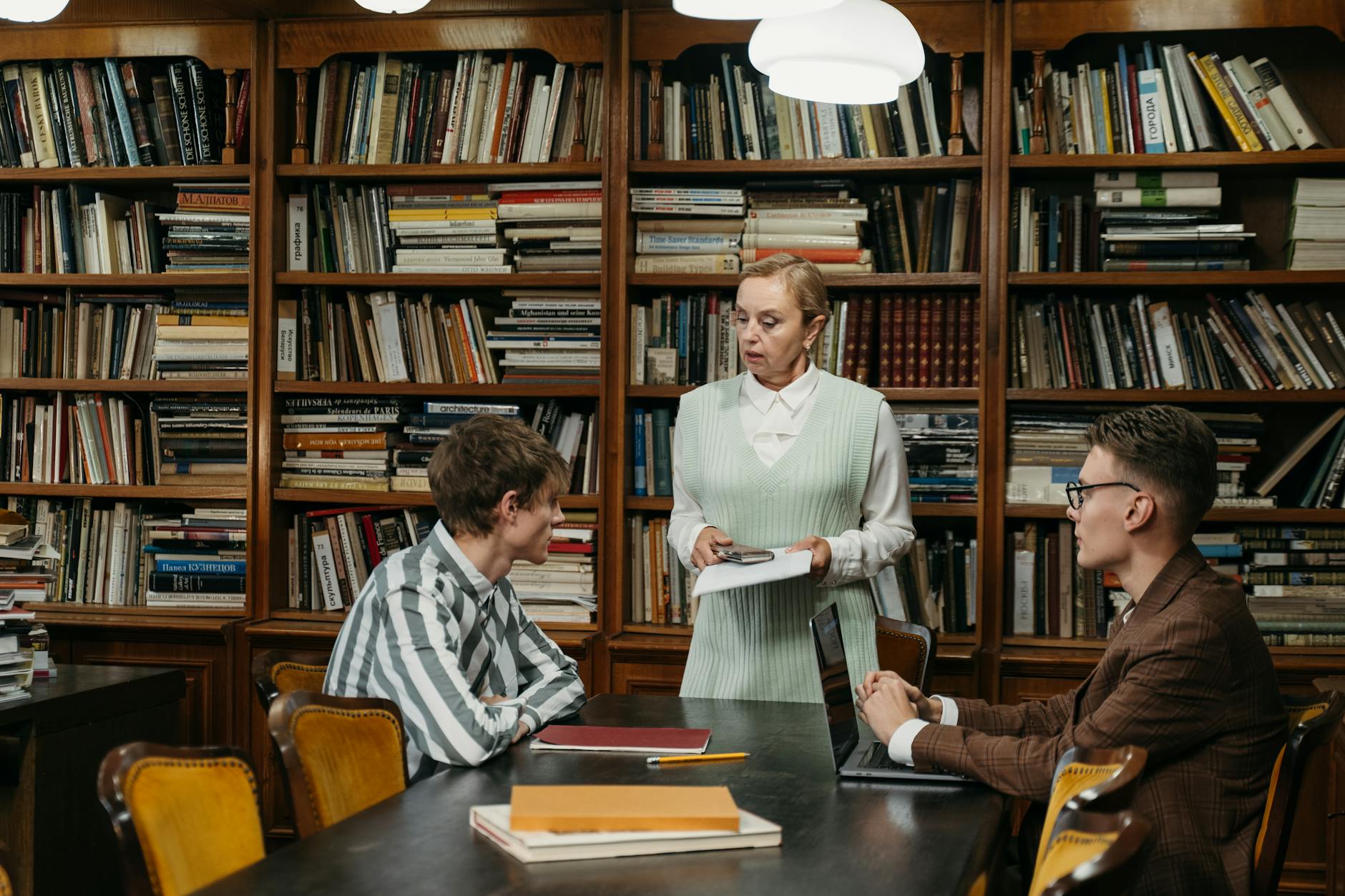
Photo by Christina Morillo on Pexels.com

Some benefits in attending include:

  • Meet with Literary Agents and/or Publishing Company Reps. Many conferences have literary representatives for you to practice pitching your story ideas or have manuscript consults with.
  • Network with other writers. It can be beneficial to network with other writers in your specific genre so that you can possibly form an online writing group, find critique partners, or offer to review or promote each other’s work on social media.
  • Opportunity to teach classes. While not every class pitch is accepted, this would be a good chance for you to plan out and pitch a class to teach at the conference based off of your own expertise in writing. Some examples of classes have titles that include: “How to…”, “What you need to know…”, “Beware of…”.
  • Book prizes. Many conferences, especially the larger ones, have regular drawings that attendees may participate in and earn prizes like books, gift certificates, or other book swag.
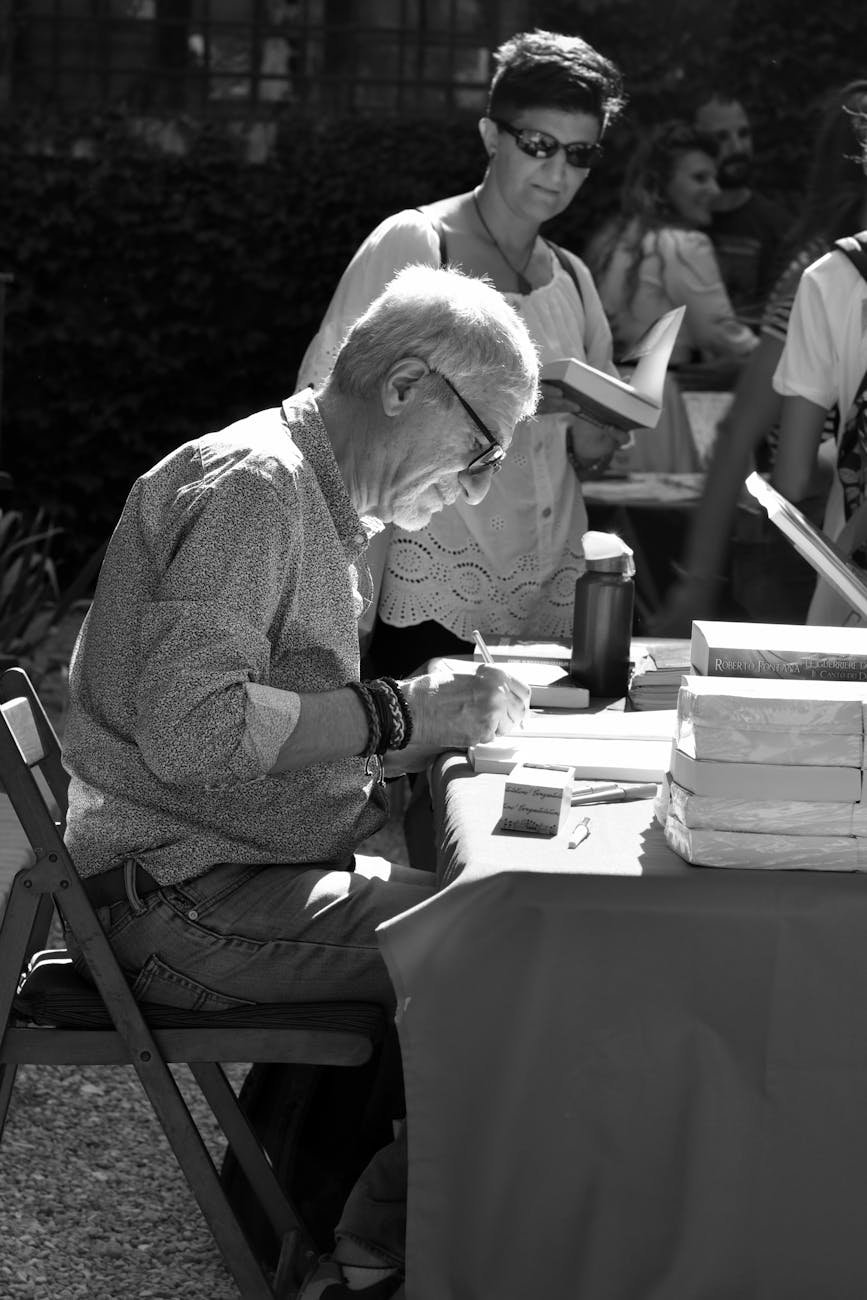
  • Book signings. This can be an opportunity for readers to find new material, writers to help support fellow authors, and attendees to showcase their work for others.
Photo by John-Mark Smith on Pexels.com

To-Bring List:

  1. Business cards
  2. Copies of manuscripts/pitches
  3. Fun writing-themed shirts or clothing
  4. Comfy shoes
  5. Cash (for books or other book swag to buy at bookstore)
  6. Book bag
  7. Notebook and pencil
Photo by MART PRODUCTION on Pexels.com

I hope that 2025 is the year you branch out of your comfort zone and meet fellow writers and readers in the community!

Below are some conferences that will be occurring this year in the USA. Many of the registration dates have or will pass soon, so plan accordingly:

  • San Francisco Writers Conference, February 6-9
  • Storymakers Conference, Provo, UT, May 10-12
  • Kachemak Bay Writers’ Conference,Homer, AK, May 17-20
  • The Writer’s Hotel Maine All-Genre “Mini MFA” Writers Conference, Phippsburg, ME, June 1-10
  • Juniper Summer Writing Institute, Amherst, MA, June 15-21
  • Community of Writers, Olympic Valley, CA,July 7-14
  • Tin House Summer Workshop, Portland, OR, July 13-20
  • Macondo Writers Workshop, San Antonio, TX, July 21-27
  • WriterCon Conference, Oklahoma City, OK, August 29-September 1
  • ANWA Writers Conference, Mesa, AZ, Sept. 18-20

Announcement: Poem Publication of “The Gravedigger” in diet milk Magazine!

Greetings readers and writers! Happy New Year!

I’m psyched to announce that one of my poems “The Gravedigger” has been published online this year in diet milk magazine! It was published back in October, but they have been having some delays in printing.

This anthology features many creepy short stories and poems from many talented authors and can be accessed here. Print copies should be available on the magazine’s website HOPEFULLY some time soon! (I’m still waiting for my hard copy).

Website: https://ko-fi.com/s/0df606feec

Announcement: New Short Story Featured in ANWA 2024 Anthology!

Climb aboard the pirate ships and visit the gothic seaside villages found in the stories of this anthology (including mine: “The Sirens of Whitby”) just in time for the spooky season! Order today from Barnes N’ Noble, Amazon, or the ANWA website.

Book Review: The 7 1/2 Deaths of Evelyn Hardcastle by Stuart Turton

Rating: 5 out of 5.

This book was unlike any I have read before. It contains many tropes that other authors have tackled like gothic mansions, time loops, and murder mysteries, but this is done in a way that keeps the reader wondering what the overlying plot is; we unfold it with the protagonist as he discovers more about the plot as he inhabits multiple characters’ bodies.

How would it feel to be trapped in the same day over and over again until you solve the murder of someone you don’t even know, all the while trapped in the bodies of several different people? In this story you find out!

Strengths

Character development. Throughout the novel, we get glimpses of who the protagonist is through the many bodies he inhabits. While he stands perplexed and confused over who he is currently (to others), he seeks to discover the characteristics of those who’s bodies he is borrowing, and even takes on some of their traits. However, while this has the possibility to show repetitiveness, with each new body the protagonist finds himself in, he is just one step closer to discovering who he is and the truth of the time loop where he is trapped.

Mysterious plot. While there is no set genre for this book (it takes on many different ones), the main feel of this book is an essence of mystery. We are not told first-off the reason for the pickle the protagonist finds himself in, and we have to go backwards in the story with him to find the truth.

Setting. I am always a sucker for the gothic, olden-day setting that has become a common trope for mysteries, but I like that this one is semi-modern. While the automobiles and handguns show us that this is a somewhat modern story, the old mansion set with maids, butlers, and the like show us an old-school charm that many stories lack. Of course, we soon do find out where the story takes place, but I appreciate how the author does not dwell too much on the setting or tell us about when this takes place. He instead gives us just enough detail for us to assume and ask: does it really take place in a certain time-period, or is it supposed to be more open-ended?

Continuity. Even though the day repeats multiple times, the story continues linearly. When the day’s events happen to repeat themselves from a different character’s POV, the story there are no plot holes, which is very refreshing and I think hard to do when writing a story like this one.

Weaknesses

I think the story could be more engaging by perhaps hinting at the overall plot earlier to prevent confusion for the reader. I didn’t get too confused throughout the story, but could see how this may occur with some readers. Sometimes I felt that the repetitiveness of some scenes did not add to the plot as much as it could have.

Recommendations

I don’t know of too many books like this one, but if you are a fan of time-loops, who-dunnits, and/or Agatha Christie books, this may be one for your TBR list!

Book Review: Cinder by Marissa Meyer

Rating: 5 out of 5.

Just when I thought there could not be another way for someone to retell the Cinderella story, I was very pleasantly surprised to be proven wrong.

Cinder–part girl, part machine–makes a living fixing androids in order to help financially support her stepmother and stepsisters. That is, until she finds herself wrapped up in a strange conspiracy linking all the way to the royal family. This tale loosely based on the beloved tale Cinderella is a refreshing dystopian take on a beloved fairytale!

Likes

  • Setting. While it was set in dystopian China, the tale did not rely too heavily on the culture that we know it today and instead focused on what it had become, which helped the story moved forward a bit better.
  • Characters. Each character was very well-rounded and the protagonist was a nice balance between the “not like other girls” trope and one who also maintains some femininity.

Dislikes

  • Predictable ending. I’m sure this comes with any Cinderella tale or retelling, but I kind of knew how the ending would turn out. However, I was happy that the author set up the end for a sequel!

Recommendation

I would recommend this read to people who are fans of Cinderella retellings, but also YA dystopian novels. I read this book as part of a curriculum for a YA literature course and I would suggest teachers implement this book as well; I’m sure their students will not only learn more about the fairytale retelling trope, but also how to develop unique adaptations to well-known tales.

Book Review: The Ghost of Graylock by Dan Poblocki

Rating: 5 out of 5.

Intrigued by the supernatural, Neal feels drawn to the mysterious Graylock Asylum when he spends the summer with his aunts and sister, thankfully away from the drama of his current home life. However, as he learns more about a former Graylock resident, he finds his past creeping back up on him. Hoping to solve the mystery of the ghost haunting he and his sister, he enlists the help of his new friends, only to find that they are in more danger than they expected…

  • Camaraderie. It always refreshing to read stories where strong friendships are present.
  • Mystery. The author executed the mystery plot very effectively by scattering clues from the very beginning that interweaved and developed the plot.

  • Predictable bad guy. I kind of had a hint of who the antagonist was through the lack of focus on him early-on. Also, his extra-helpful one-sidedness he showed toward the protagonist gave me the feeling that something was up with him.

This is the second book I’ve read of Dan Poblocki’s and I am starting to see his style unfold a little more clearly. Primarily a ghost-story writer, Dan has published over 15 books, some of which are included in series, and I plan to delve into more of them!

I recommend this book to young readers who like mystery and ghost story books, readers of books from authors like Mary Downing Hahn and Darcy Coates, and writers of ghost tales and mysteries for young audiences.

Book Review: The Gilded Page: The Secret Lives of Medieval Manuscripts by Mary Wellesley

Rating: 5 out of 5.

Summary

In this deep-dive into the nature and study of medieval manuscripts, and especially many lesser known ones, Wellesley brings to light how recent research of these texts influenced the literary world, even if they have disappeared from history altogether. Furthermore, she descriptively touches on how these texts were made, distributed, and eventually preserved or lost.

Likes

  • The mystery of the texts…Who doesn’t want to find an obscure manuscript that no one knew about or thought was lost to history?
  • The uniqueness of the texts. While I expected to read about well-known works from authors like Chaucer, I found that there were many literary figures who I would consider also giants in their craft, though sadly much of their work is not as well-known.
  • The era of the texts. Though I consider myself an aficionado when it comes to history, I learned a lot about the medieval era that I didn’t before, such as the religious practices of some nuns and the literary work they produced while in solitude.

Dislikes

  • She described one or two texts that contained vulgar material. This was a personal dislike, but her research still remained pristine–I just skimmed that part of the book, since reading about raw vulgarity in a medieval text made me feel uncomfortable.

Author

From what I have researched about the medievalist Mary Wellesley, it sounds like she knows what she’s talking about! She teaches courses pertaining to the period and also is published in many notable journals. In this particular book, I like that the way of her writing seems almost novel-like instead of purely informative.

Recommendation

This book is a very good resource for medieval historians or enthusiasts who would like to broaden their research on the lesser known manuscripts of the period. It is also a good resource for authors who would like more information about the way those of this era created books.

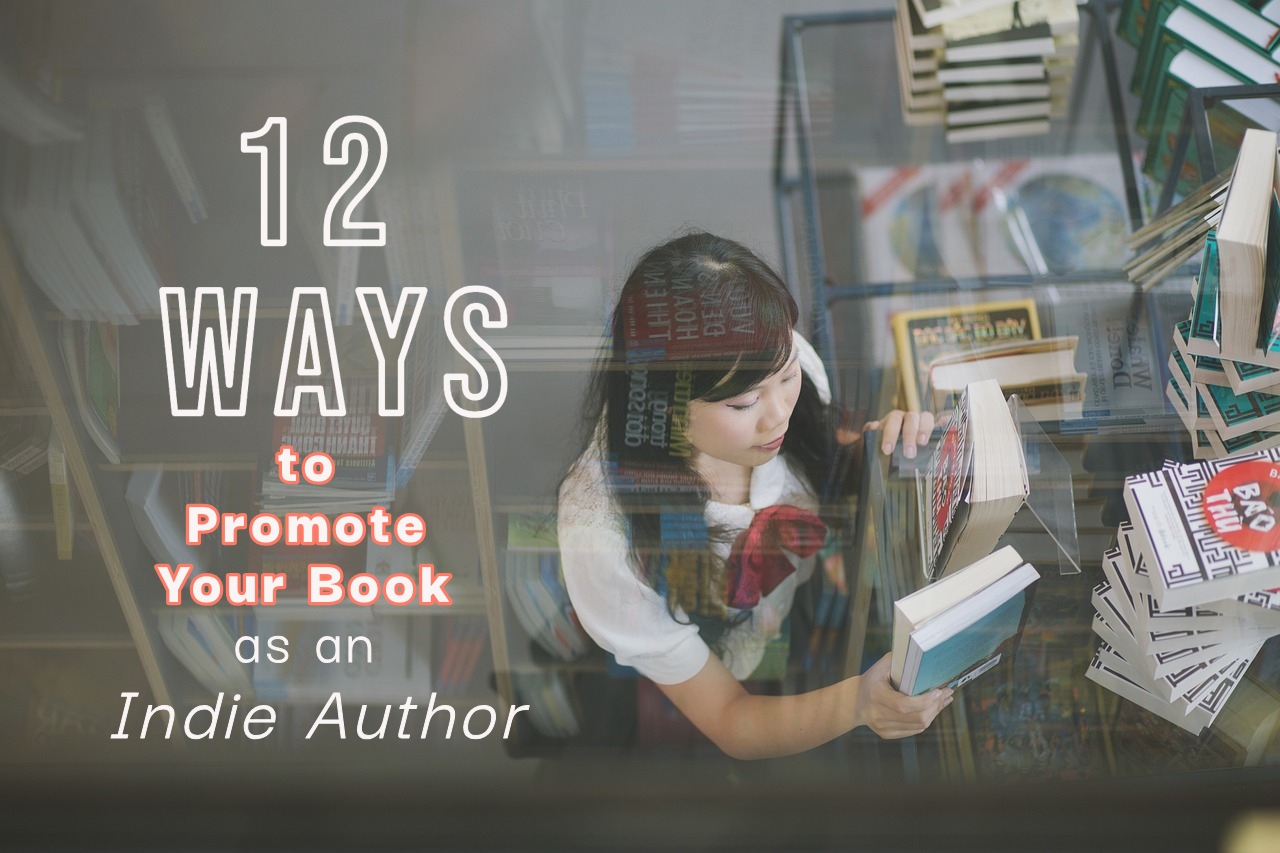
12 Ways to Promote Your Book as an Indie Author

Whether you’re an indie or hybrid author, the marketing of your book comes down primarily to you, and this sometimes can be quite a pain. However, here are some tips to make it a little easier!

1. Attend Writing Conferences.

This is the perfect place for you to showcase your skills as an indie author and network with other authors, editors, cover designers, etc. through:

  • Teaching a class or two pertaining to your specific author expertise (this is a great way to promote your book and get your name out there).
  • Participating in book sales and signings (this is where you will probably see the most traffic).

2. Create a Video Trailer for Your Book.

I’ve seen this done at a writing conference by an indie author to help promote her book. Her daughter had created for her on YouTube, and I thought it was a very creative way to showcase her novel.

3. Participate in Public Markets.

Flea markets are a great way to get your book out there locally. Reserve a space ahead of time for you to set up your booth to promote/sell your book and any other trinkets related to your book (like bookmarks, magnets, pencils, buttons, etc.)

4. Network with Local Libraries.

Search out your nearest public library and see what their policy is for promoting indie books on their shelves or book-related events like readings, signings, etc.

5. Schedule School Visits.

If your book is aimed for younger audiences, schedule a visit to a local school class or library to promote your book and writing skills to younger audiences, English teachers, school librarians, etc. who may even create a space for your book in their school libraries if interested.

6. Participate in Book Signings.

These can be scheduled anywhere—schools, libraries, markets, or even a planetarium if your book is about space. Keep in mind the intended audiences for your book and try to build up rapport with local individuals who may allow you to set up a booth on their property.

7. Schedule Book Readings.

Schools and libraries are also good possible settings for you to promote your book through reading excerpts from your book. Look for places like independent book shops or schools where you can possibly schedule a reading for intended audiences of your book.

8. Create/Facilitate a Local Creative Writing Group.

I recently joined one of these and the facilitator was an indie author who passed around copies of her books with us and her author business card with her website and other contact info relating to her books. This is a great way to get the word out about your own work directly, while also encouraging others to create their own stories.

9. Join or Create an Indie Book Club.

This is a fun way to get many people to read and discuss your book in a group setting along with helping other indie authors get their books read and circulated.

10. Join a Facebook Indie Author Group.

This is a great way to network with other writers about what helps them to get their work out there to the public. As an indie author, it’s always constructive to give and receive feedback from others who have gone down a similar publishing path.

11. Enhance Your Social Media Presence.

Many indie authors use social media platforms like Pinterest, Instagram (or “Bookstagram”), YouTube (or “BookTube”), or Facebook to promote their books through sending regular announcements or updates about their book, where they will be doing a book signing or selling your book locally, presenting at a conference, etc. These are also places where you can promote your author website.

12. Circulate a Newsletter for Your Readers.

It’s amazing how many followers will subscribe to an author newsletter. This is where authors send updates that they would normally put on social media directly to their email. Keep this is mind when creating your author website; create a place for those who access your author website to subscribe to your newsletter. Be sure to send it out as regularly as you can.

Good luck to all you indie authors as you promote your books and grow your writing presence! Feel free to suggest other tips I may have missed!
Book Review: The Graveyard Riddle by Lisa Thompson

Rating: 4.5 out of 5.

This book came as a surprise to me. Here I was thinking, “Oooh! It had graveyard in the title. And it talks a bout a plague house on the back cover…It must be spooky!”, but lo and behold, I find out that it doesn’t have all that much to do with hauntings or spooky things of that nature at all. But I still enjoyed it!

This sequel to “The Goldfish Boy” (which I had no idea it was a sequel to anything), follows young Melody Bird as she finds an old abandoned plague house, the strange boy hiding out inside, and the mystery that he, Melody, and her two friends find themselves immersed.

Setting. Given that the story mainly takes place in a graveyard, I of course appreciated that. However, it was nice to read about the curiosity of the main character and her desire to walk the grounds as I do. I could also tell this takes place in England, so it was neat reading about their cute little English neighborhood.

Mystery genre. While the story didn’t have all that to do with cemeteries, the mysterious plot about the curious stranger Melody met kept me engaged. It made me wonder what was truth and what was false in his tale.

Tackling real-life issues. For a teen book, this story contained things of a serious nature that I think were weaved well into the story. Bullying, death, and anxiety (specifically OCD, which I suffer from as well) are key themes I found weaved throughout the plot and I think they were shown effectively on the part of the author.

Melody’s character. Though I did share the protagonist’s intrigue for cemeteries, her character did sometimes come off as annoying, which I’m sure the author meant to do to show how her friends was getting annoyed with her. However, I wasn’t a fan of her dialogue that often when it came off as too evasive.

I recommend this book to teens and young adults alike, especially those who are going through various issues. The themes of friendship and family abound in this in helping the characters through these issues, and I think that is a good message to take away from the story. I think I should read the first book in this series.

February 2024 Reading Blog

Boy, am I behind in my book reviews, but this year has started off with some great reads!

Ghost Hunter’s Daughter by Dan Poblocki

To help me in my MG ghost story research, I searched for authors like Mary Downing Hahn who write ghost stories for MG readers and I guess this author has quite the collection of novels. The story follows a young girl who is the daughter of a famous ghost hunter, as the title suggests, and her classmate–who happens to be able to see the dead. When the girl’s father goes missing, they team up to find him, before it is too late.

The Book of Boy by Catherine Gilbert Murdock

This was one of the most unique stories I have read that combined a lot of my interests: MG fiction, medieval history, pilgrimages, and Christian history. The story follows a young hunchback named “boy” who accompanies a pilgrim on a quest to the holy land. They seek relics on their pilgrimage, each for their own reasons, and meet some trouble along the way. …The story has an unexpected, yet amazing twist that I loved!

Dear America: Across the Wide and Lonesome Prairie by Kristiana Gregory

This story follows a young girl and what she and her family encounter on their trek along the Oregon Trail. It was interesting reading about her encounters with the members of my own church on the trail and I enjoyed the author notes at the end that explain more of the historical context of the book (though I was a little irritated she spelled “Mormon” wrong in that section).