Non-TBR’s: 5 Popular Fiction Books I’ll Never Read

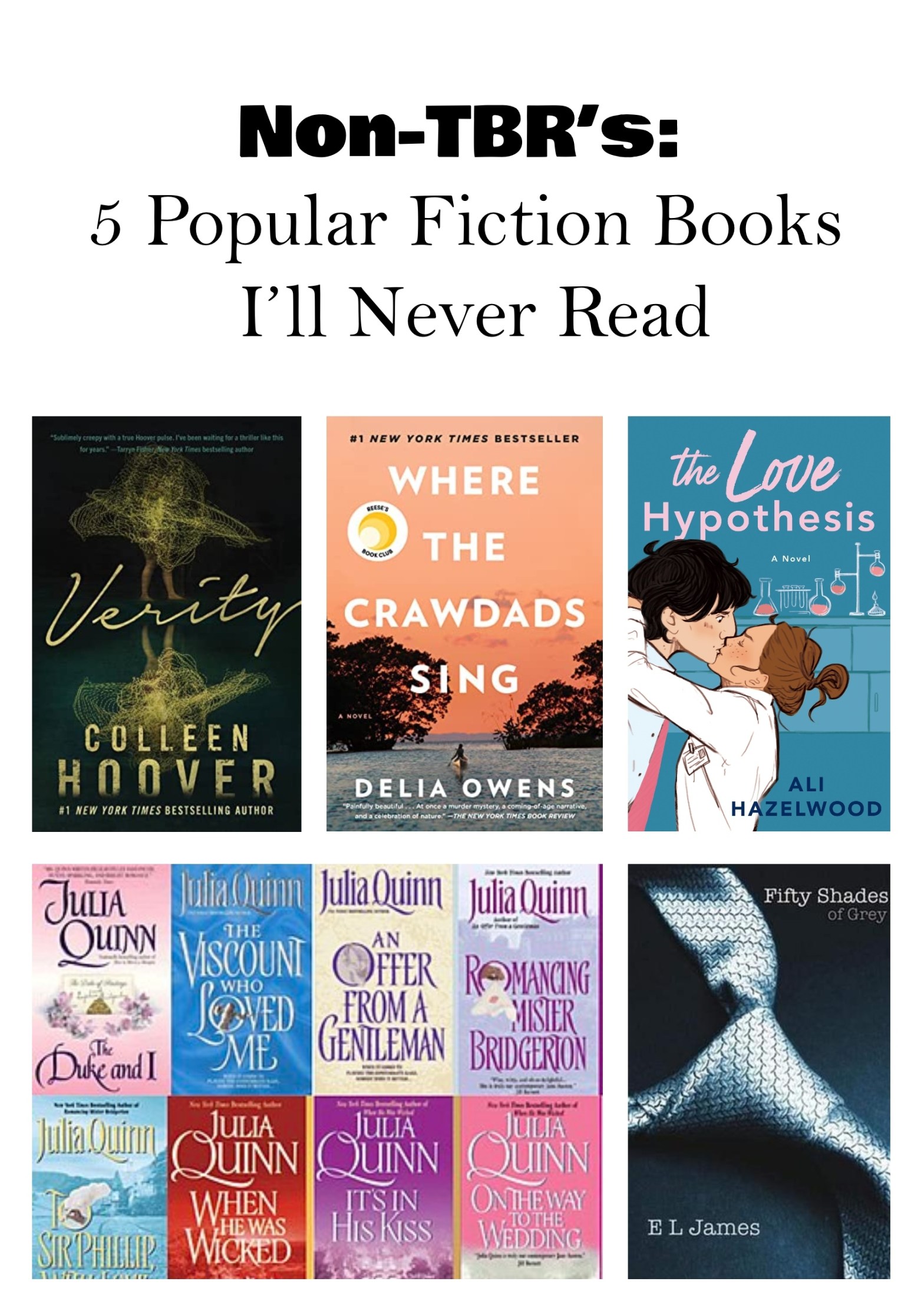
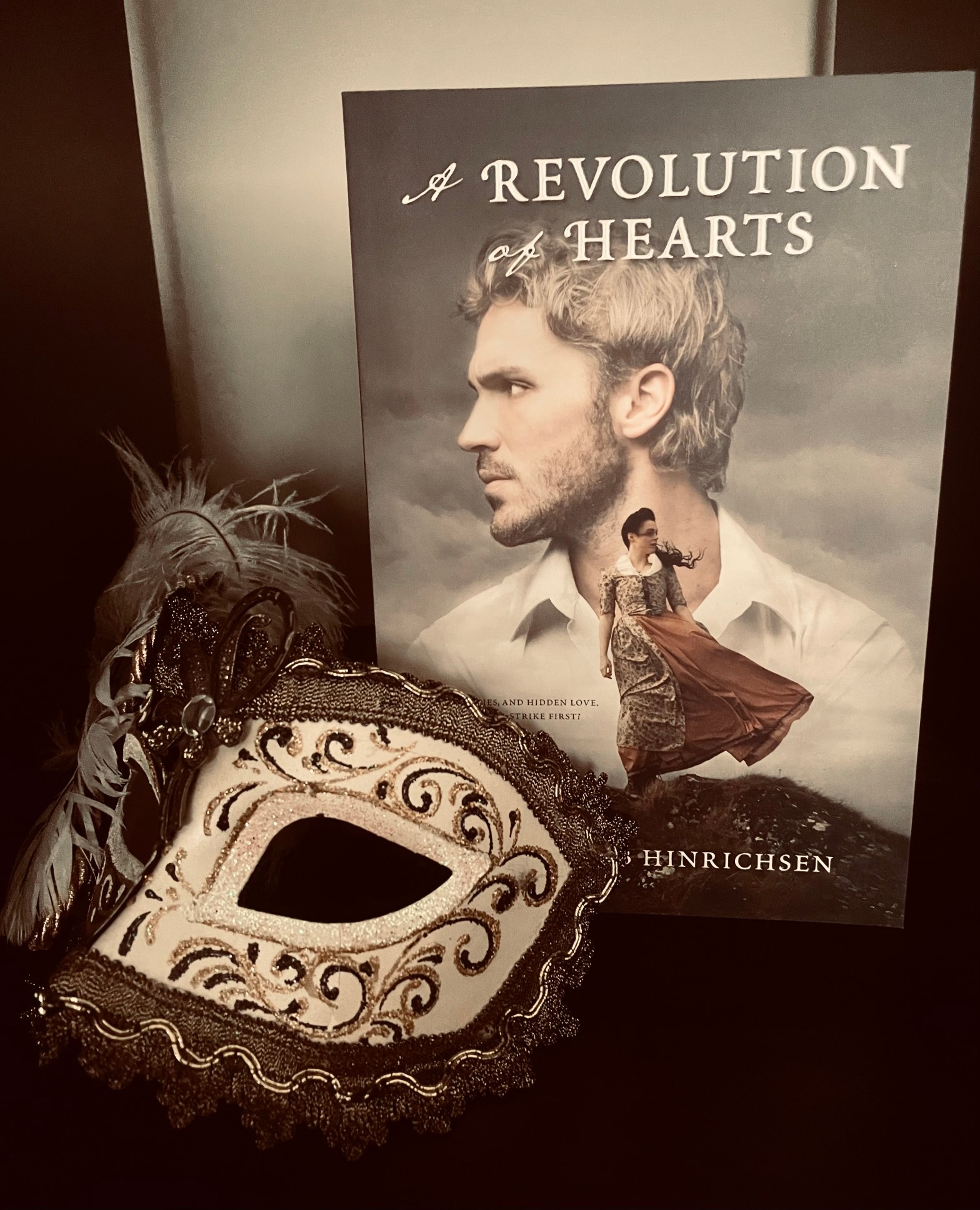
Do you ever see a book pop up on your recommendations list that you know you will never read? Instead, you marvel, in what world did this algorithm think that I would even consider a book like this? I’ve been seeing this happening more frequently after I’ve purchased or checked out books, so I thought I’d vent some of my frustration by listing some recent fiction that has the effect of setting my teeth on edge.

The 50 Shades of Gray Trilogy by E. L. James

I think the cringeworthy flaws in this one speak for themselves; we have enough books that romanticize manipulative or destructive relationships, but I can tell without even cracking open the cover, that this one takes the cake!

The Bridgerton Novel Series by Julia Quinn

Speaking of cringeworthy, it saddens me how far away from the “proper romance” of Jane Austen’s world the present day has journeyed away from and Bridgerton seems to be one of the main examples of this occurring. Disclaimer: I am basing my judgments on this series off the Netflix adaptation, so if the book is far different from the show, I may be persuaded to give it a chance. While I don’t mind the main characters being portrayed by different races in the show, the sex scenes are too much for my respect for “proper romances” to handle.

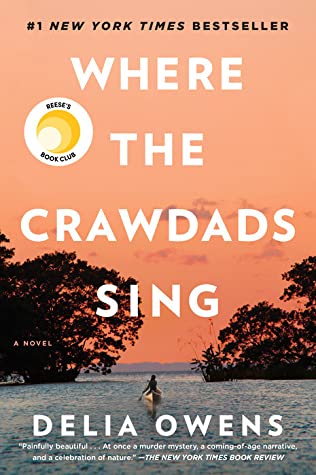
Where the Crawdads Sing by Delia Owens

Everywhere I look—YouTube, book shops’ Best Sellers, my book recommendations group on Facebook—there it is! Since I tend to like Southern fiction, this was on my TBR list for a bit, but after I watched the commercial for the new movie adaptation coming out, all I can think of it now is…Meh. I think this is one of the circumstances where a book is so overhyped, I’m getting sick of hearing about it.

The Love Hypothesis by Ali Hazelwood

This was on one of the “Book of the Month” lists that I reviewed, and I thought this looked good (based off of my initial judgment after seeing the fun cover). Since I usually am not interested in present-day romance novels, I thought, “Why not try something new?”, but after reading the synopsis I was under the impression this was just another cliché romance. To those of you who’ve read this: am I right or should I give it a chance?

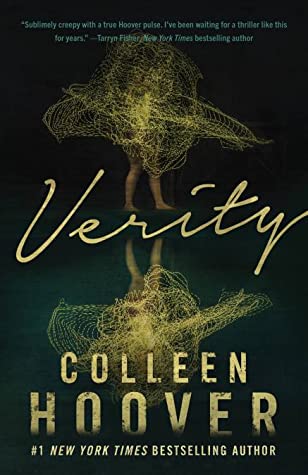
Verity by Colleen Hoover

Like Where the Crawdads Sing, I saw this book posted infinite times on book recommendation lists, but after looking into it further, I guess there is a LOT of sex scenes, so I can already tell that this is not the book for me. Why don’t publishers just market books like these in the erotica genre instead of general YA fiction? Is it to throw readers like me, who don’t want to read that trash, for a loop?

This post turned more into a rant than I had wanted, and I apologize for that. It just frustrates me to see so many good books out there, mostly underrated ones that are unknown to many readers, get sidestepped for popular fiction that is either written poorly, has a horrible plot, or has clogged the whole story with trash.

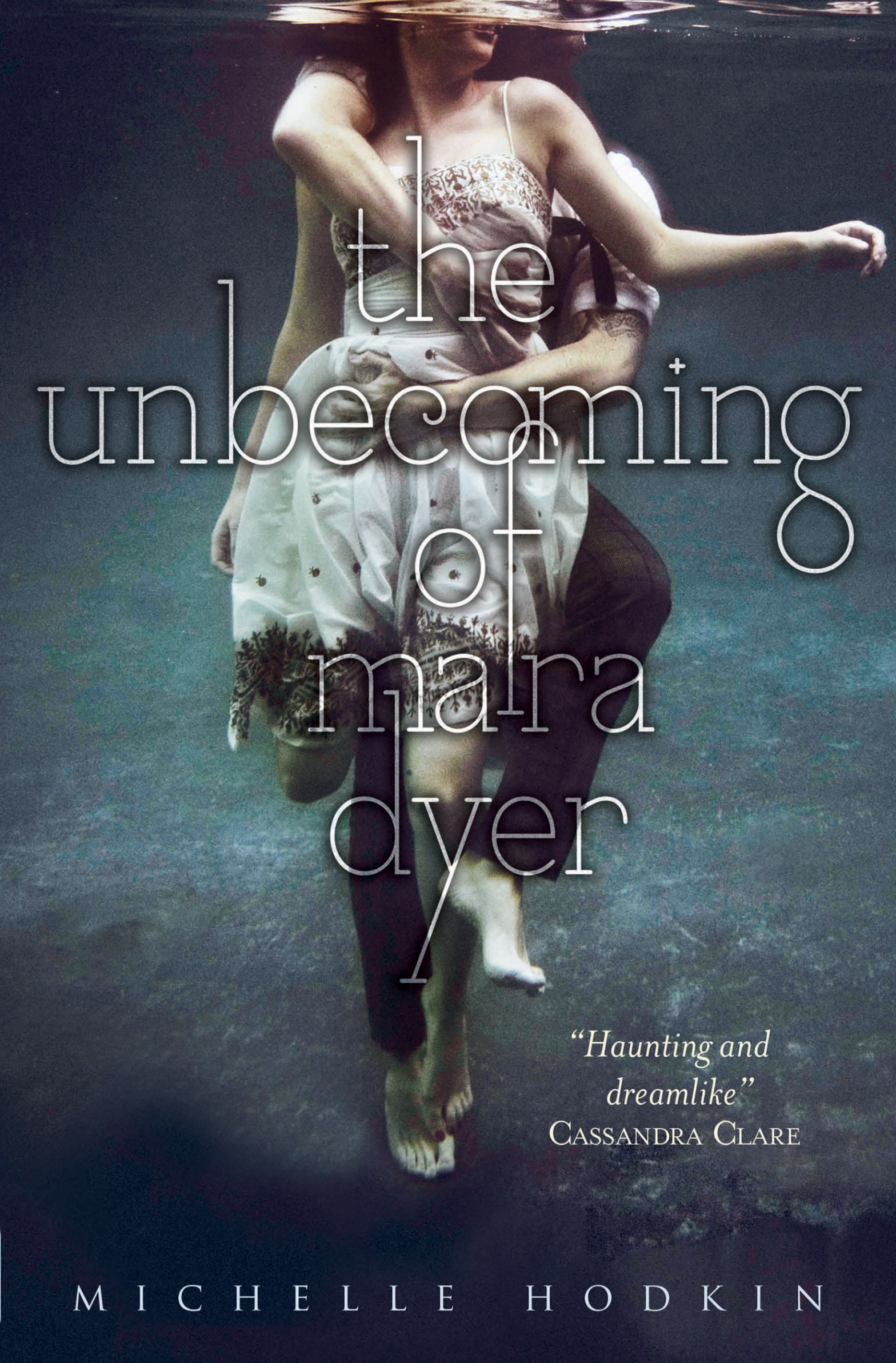
Book Review: The Unbecoming of Mara Dyer by Michelle Hodkin

Rating: 3 out of 5.

I don’t know what got me interested in trying out this supernatural YA trilogy in the first place, but I guess I was in the mood for a supernatural romance. My local library didn’t have a copy of the first book, so I ended up buying it, not sure if I would regret it in the end. For now, I think I’ll keep it…let’s explore why.

Summary

Mara Dyer is cursed. After seeing her friends perish in an accident, and is the sole survivor, she moves to a new town where mysterious, terrible things start happening to the people who have become her enemies. Maybe these aren’t coincidences, she soon realizes. In the midst of this dangerous revelation, Mara meets a handsome young man at her school who has a strange ability of his own…

Likes

Original idea. For a genre that is constantly bombarded with vampires, werewolves, and witches, the idea of being able to *SPOILER* psychologically kill people at will *END SPOILER* is a concept that I haven’t seen in books. I think it’s an interesting idea, because the author builds off of that when formulating the relationship between Mara and Noah.

Romance. Like Twilight, it kind of sucks you in, despite how terribly immature the romance is. However, the author gave us a romance between two characters that included some mature elements that I like to see in any book: moments of sacrifice, selflessness, and strength.

Dislikes

Excessive “teen” lingo. Ugh. It irks me when authors give their characters what they think is typical teen voices with typical teen lingo, when in reality, they just make them sound unintelligent and annoying.

“F”-bombs. This sort of branches off of the excessive use of “teen” lingo in the writing, but I could have done without reading the lovely and intelligent-sounding “f-word” popping out of one of characters’ mouth whenever they get mad. If their character would say it, fine, keep it in, but I don’t need to read it EVERY time they open their mouth.

Predictability. Protagonist falls for the British bad-boy…Who could gave guessed that? Answer: Everyone.

Will I continue with this series? I’m not sure. I liked the concept and the writing wasn’t terrible, but I don’t know if I can get past the immaturity of the drama…I guess that we’ll have to watch the space on this one.

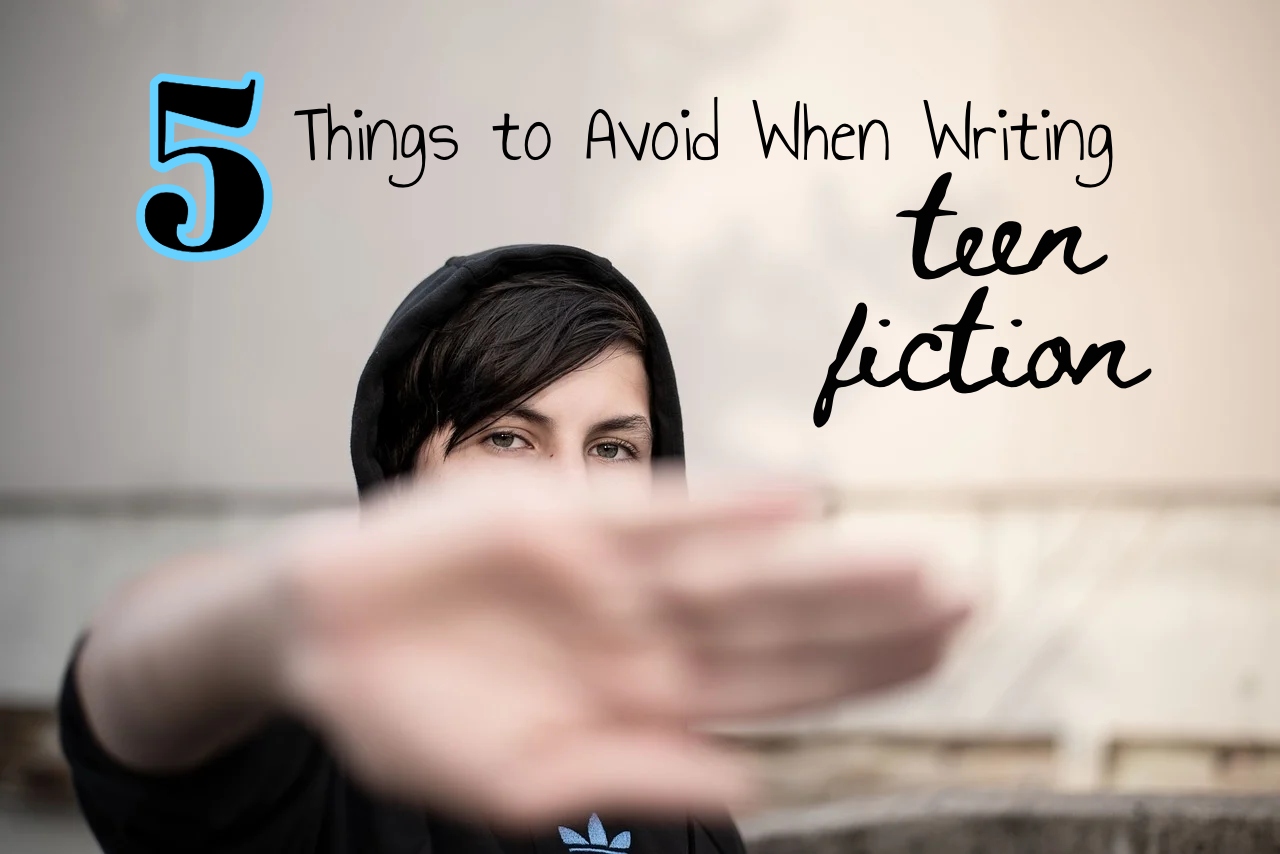
5 Things to Avoid When Writing Teen Fiction

It’s unbelievable how often I encounter books written for teenagers where the author misses the mark about how a teen thinks or just rides off of teen clichés when crafting their stories. Don’t get me wrong, there is some good teen fiction out there, they just are hard to find, given how poorly many of them are written. It has become a common occurrence that while I’m reading these books I ask myself: “Is this how adults believe all teens think?”

The words “shallow” and “cliché” come to mind when this question arrises and then I wonder if I’ll even be able to finish the book without rolling my eyes every chapter. To help authors of teen fiction stay out of this trap, I’ve listed some things to avoid when writing stories in this genre.

The Loner Protagonist. This is usually the “misunderstood” girl who endured some kind of trauma and then (almost inevitably) falls for the “bad boy”. As a teen once myself, I went through a “nobody understands me” stage (as all teens do), but it’s been done in books SO many times it’s practically predictable.

Photo by Khoa Vu00f5 on Pexels.com

Adults (“…Who Don’t Understand Me!”). Why are adults always portrayed as either stupid or completely disconnected from their kids in teen books and movies? This has become more common lately, fore-fronting teens as the ones who know everything and the adults in their lives as the ones who can’t help them. What a crock.

Excessive Teen Slang. Don’t write how teens talk, write how they think. As a teacher (and a teen once myself), I can guarantee you that teens rarely think in slang (as evident in their writing) and are more mature than we give them credit for. Treat your heroes like people and don’t degrade them with excessive language that makes them look and sound too juvenile.

Photo by Kaboompics .com on Pexels.com

Cussing/Dirty Jokes. This leads us to the be all, end all in teen fiction: swearing. Just because some teens swear excessively in real life, it gets VERY distracting in print-form, at least for me. If a character is going to swear, have them swear, just don’t make them say it every time they speak. It gets old and loses the impact it is meant to leave on the reader. Use your intelligent words you’ve learned as a writer to fill their mouths with actual language.

The Shallow Protagonist. I love reading a story about a girl who falls in love with a “beautiful” man–with the straight teeth and the chiseled jawline–as much as the next reader, but this has to be the most used theme in teen fiction to date. This expectation endangers teenage readers of believing that finding the perfectly handsome man should be their goal in life when in reality, they should be making friends of ALL kinds and developing their own talents. I would enjoy reading a story about a protagonist who has a special skill in something and who forms a strong friendship with another who may not look perfect, but who is still a likable character. It’d also be nice if the author leaves most of the appearance of the friend or love-interest up to the imagination of the reader.

Photo by Tucu0103 Bianca on Pexels.com

Authors of teen fiction, please remember that although the teens you write about may be immature, as in real life, they are still people who should not be portrayed so stupidly that the reader can’t tell if they should hate them or not. As an adult, I am probably biased in this opinion, but I was a teen once. Try to remember how it felt when you were one too and it may help your writing develop in this specific genre.

Book Review: Clockwork Angel by Cassandra Clare

Rating: 4 out of 5.

I’m not one for popular fiction or fantasy for that matter, so my expectations for this book were pretty low, given that I abandoned the City of Bones series only a few chapters in. However, after someone from my book recommendations Facebook group recommended this one to me after I mentioned that I was looking for books with strong friendships, I decided to give it a go. This was one of those books that was a quick read (for over 400 pages), and I’ll admit it was better than I originally thought.

Summary

After Tessa Gray is tricked and imprisoned by two shadowy characters for her mysterious abilities, she is rescued by a strange young man with even stranger markings on his skin. She soon learns that he is a shadowhunter who protects humans from a world that she never knew existed full of vampires, demons, nephilim, warlocks, and shapeshifters. She finds herself caught up in a mysterious plot and realizes that her abilities may be the key to uncovering it and protecting her new-found family. Set in the Victorian era, this book is part of the Infernal Devices series, a prequel trilogy to the popular Mortal Instruments series.

Likes

  • Setting. I’m a sucker for books set in past eras, particularly the Victorian Era. I’m glad that this book had characters who were more genteel and proper rather than those who were more modern like in Mortal Instruments.
  • Protagonist. Compared to the previous series, Tessa seemed to have more of a complexity about her and there was enough mystery about her backstory to keep me interested. Plus she had unique enough abilities to make her a valuable asset to the story.
  • Strong friendships. For a teen book, I appreciated the maturity of the friendships throughout and the impacts they made toward the development of the plot. I like how the author made each character’s relationship unique to the protagonist.

Dislikes

  • A lot of action. This can be a plus for some readers, but I’m not a fan of reading action scenes; I’d rather watch them on the big screen.
  • Potential love triangle. This is what I always dread in teen fiction. When I say I love strong friendships in books, I mean friendships, not romances with every handsome character. While the friendships seem to be present and strong early-on in the series, I worry that the protagonist will eventually have to choose between “the bad-boy” and “the gentleman”.

As I continue through this series, I’m crossing my fingers that this story continues to be an engaging one with some strong friendships and likable characters!

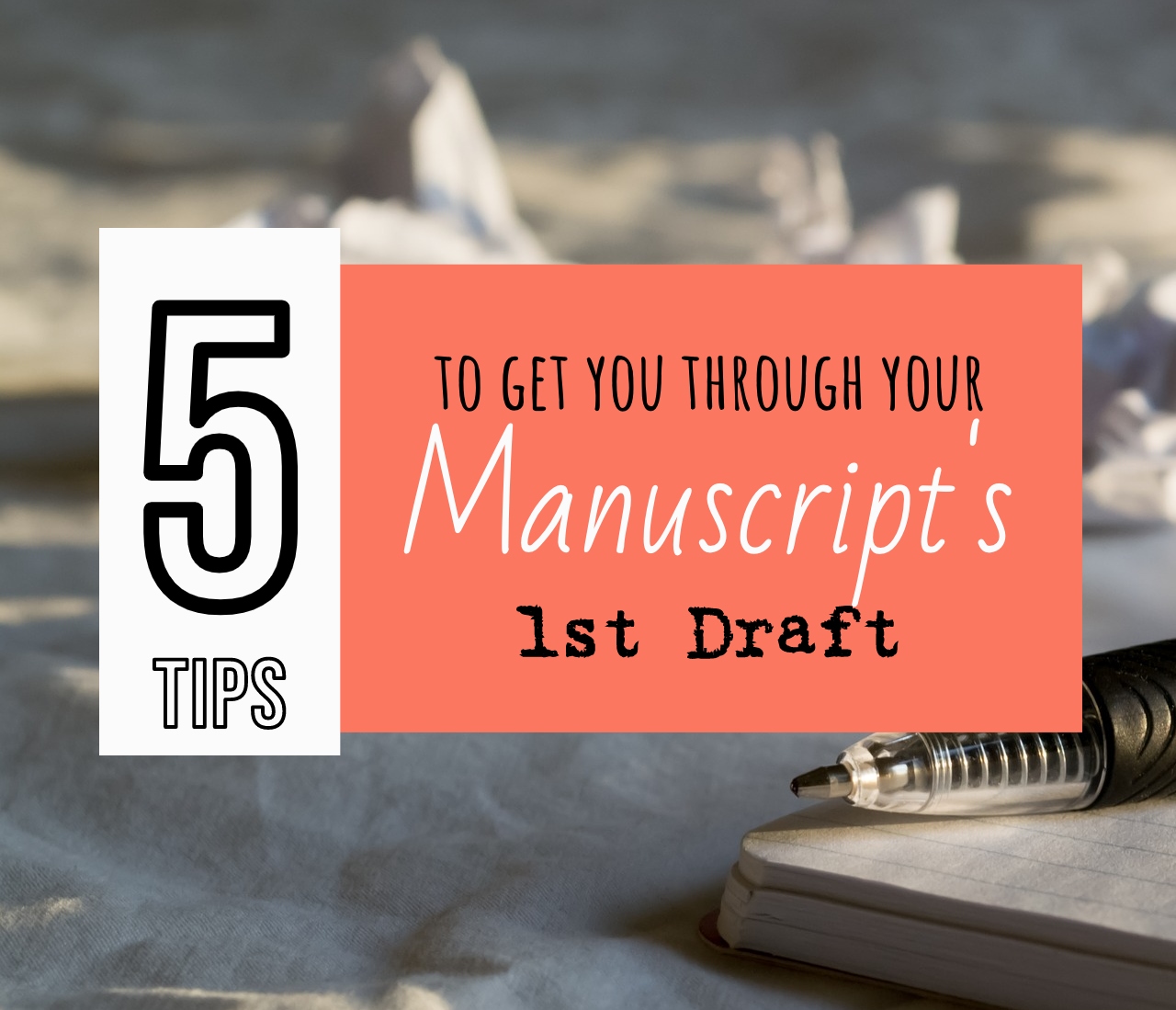
5 Tips to Get You through Your Manuscript’s 1st Draft

DO NOT edit as you go. This is perhaps the most time-consuming writing-preventer I’ve encountered when trying to write a manuscript. Rereading what you have written and making changes instead of writing the next part can be quite a hinderance to the progression of your story or novel, so please try to avoid editing until the end. Just try to write it all through first.

Photo by Andrea Piacquadio on Pexels.com

Read every day. Of course, this does not include the manuscript you are working on; when I say READ, I mean from an already published book, especially one from the genre in which you are writing. Doing so could help you develop fresh ideas about how to present your own story as well as inspire further ideas.

Photo by cottonbro on Pexels.com

Avoid mood-writing. Another hinderance to writing is resolving to write only “when I feel like it”. It’s nice to be able to write when the inspiration hits you, but try to develop the habit of writing even when you don’t feel like it. Sometimes ideas will just emerge onto the page that you didn’t even know where in your imagination until you start to write. To make this a regular occurrence, it would be wise to set a specific time each day to write.

Photo by Andrea Piacquadio on Pexels.com

Set deadlines. I once wrote an 8,000 word story in 2 days since the deadline for the submission window was quickly approaching. I’m not advising anybody to wait until the last minute (like I did), but I found that I became more diligent of a writer when I was working towards something.

Photo by Andrea Piacquadio on Pexels.com

Employ peer-reviewers. Share your story with others and ask for their feedback as readers. Being the only one with access to your manuscript can entrap you in your own biased bubble, so please try to expose it to fresh eyes…and be thick-skinned while doing so; don’t be one of those writers who takes criticism too harshly. To be a writer is to have your work criticized and using peer-reviewers early in your manuscript’s development could help you better prepare yourself for this reality.

Photo by cottonbro on Pexels.com

Book Review: The Passion of Dolssa by Julie Berry

Rating: 4 out of 5.

I came upon this audiobook by mere happenstance at a sale at my local library. 10 discs about a girl mystic hunted down by the friars of a medieval inquisition? Right up my alley. Medieval religious history is something that has always fascinated me as well as learning more about the martyrs of the reformation, so I hoped I had struck gold after reading the back of this new book.

Summary

It is dangerous for women to have visions of God in this age, and Dolssa knows this, but can she really remain silent about a loving God when so many fear the angry God preached from the pulpits? She has had visions of “her Beloved” ever since she could remember and now, she has gained a following. Soon, this following comes to the attention of the priests of Provensa and one priest will stop at nothing to see her burned as a heretic. Fearing for her life, Dolssa flees to a village where she meets a peasant girl named Botille, a local matchmaker, and her sisters, who learn Dolssa’s story and witness the miracles that surround her. Agreeing to hide her, the sisters soon learn who their true friends are and what they are willing to sacrifice for faith and friendship.

Photo by Thirdman on Pexels.com

Likes

  • Well-written. The author knew her history about the local culture and customs of the medieval era. I rarely come across books about medieval peasants, just nobility, so this was a breath of fresh air. I’m glad that I listened to this story versus read it, since Berry also used French words in place of other words like “sister”, “father”, “holy woman”, and even “what” or “yes”—to tell the story and I’m sure I would have gotten lost.
  • Non-smutty for a medieval story. It seems that all the stories I find nowadays set in medieval or renaissance times have gratuitous sex and vulgarity. I know that at the time, it was a short life from the cradle to the grave, so sex was a “commonality” among the simple medieval folk but come on…you don’t have to show us, I get it! Okay, rant done. The point is, I’m glad that the author did not focus on this as a main commonality in her story, she instead focused on other cultural aspects, like the vocations, the lifestyle, and the belief system of the common medieval folk of the story.
  • Multiple points of view. Berry put readers in the minds of main as well as side-characters through different processes, like interviews or meeting with the friars as they searched for Dolssa. This was a new way of storytelling that I thought effective, especially since the bulk of the story revolved around religious men interrogating others to find their run-away martyr. The audiobook also uses a variety of voice-actors for each viewpoint, which I think adds to the voice of each character well.
Photo by Svetlanaud83cudf9e on Pexels.com
  • Friendship as a key theme. FINALLY! A story where the main characters don’t fall in love. I was hoping the story between the two main characters would remain platonic (especially given the fact they are both girls and I feared a lesbian relationship would form, since that seems to be a running theme in popular culture nowadays), and luckily, they viewed each other as sisters instead of lovers. Strong friendships are shrinking in literature—everybody wants romance! (Okay, rant #2 done).
  • Author notes. Historical fiction novels always need these in my opinion, since some of the author’s interpretations of history could get confused with real history. This is the author’s way of sort of offering a disclaimer regarding what was researched versus what was not for their novels.

Dislikes

  • The way Dolssa was portrayed. She seemed more like a damsel in distress than I would have liked. Also, I understand that some mystics during this time viewed their relationship with Christ in a romantic kind of way, but that disturbed me, since I always viewed Christ as a brother to humankind…not a husband like nuns and other mystics of the era believed. Consequently, this view of Christ wasn’t too detailed, which I was grateful for; it left things open to interpretation.
  • The ending. There were about three different endings, and I failed to see how they all connected to one another. The first two, I could sort of see the ties, but the last one threw me for a loop and had me asking more questions: Who was the old woman locked in the dungeon? Why was it important that the boy she spoke to deliver her message? Who was the person she was delivering this message to? What did these people have to do with the story we just read?

Overall, I’m happy I now get to add a medieval novel to my list of read books that is a worthwhile read and I recommend it to readers of historical fiction, especially those who enjoy medieval history.

Book Review: The Girl in the Locked Room

Rating: 4.5 out of 5.

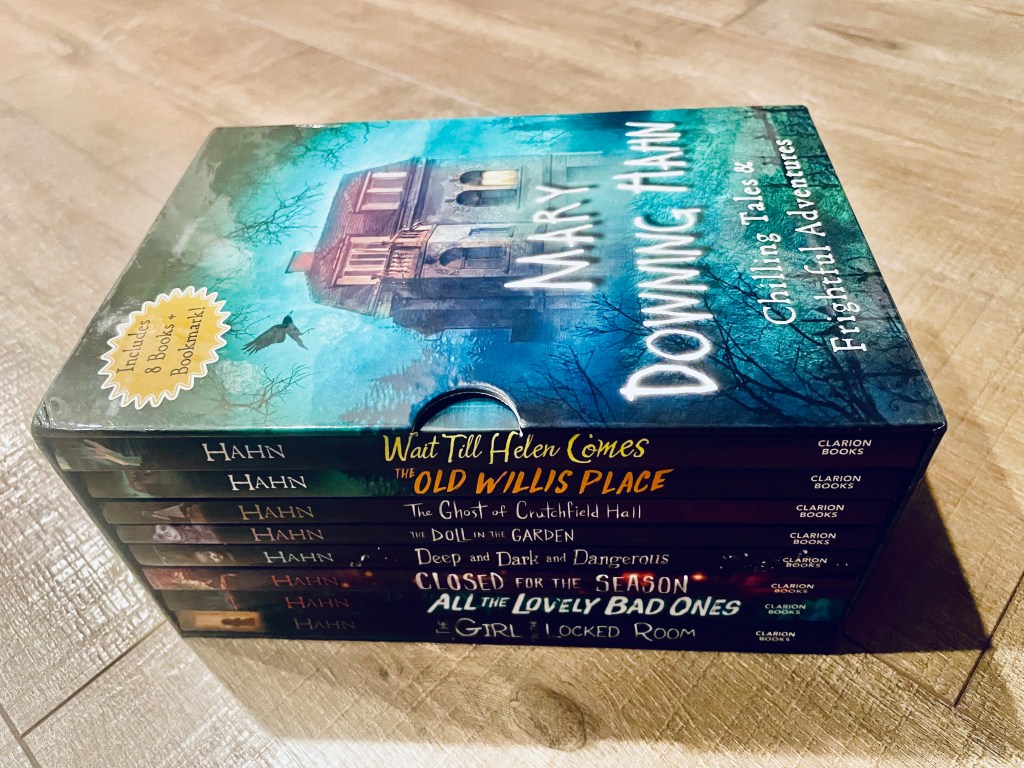
Book #1 in Mary Downing Hahn’s “Chilling Tales & Frightful Adventures” Collection

It’s time to start the first book of my recent Costco investment, which is a collection of my favorite ghost-story children’s author’s ghost stories! I’ve only read one of Mary Downing Hahn’s ghost stories before, so I’m excited to delve into the rest of her books. I think I can relate to this story more than I’d care to admit (since I am, in essence, a girl in a locked room, writing and working from home), but this story was a nice way to start off Hahn’s collection of “Chilling Tales & Frightful Adventures”. Let’s take a closer look!

Summary

Tired of her parents dragging her around the country to restore old houses, Jules hopes that soon they’ll be able to settle down and have a permanent home. However, something seems eerie about this one. She keeps feeling like someone is watching her from the upstairs window and occasionally sees a blonde girl near the field on the estate. Determined to find out exactly what—or who—resides upstairs, Jules soon discovers the story behind the old house and wonders if she can help change the dreadful fate of those who once lived there.

Lily can’t remember when she last went outside, or how long she has been locked in this room, or even why she was locked in in the first place. While what she sees out the window seems to change each minute, every night is the same: men on horseback riding to her house and searching it for her. Luckily, they never find her hiding spot. Lily hopes they never will. Soon, she starts to see a dark-haired girl walking the property of her home and wonders if she will be the one to help her escape this room and tell her why she has been trapped here for so long…

Photo by Moreno Matkovic on Pexels.com

Likes:

  • Shift in perspectives. I liked that Hahn switched points of view in each chapter, between the ghost and the protagonist; it helped give the ghost of the story a voice, which I think is important in any ghost tale.
  • Setting. I always like to watch old homes get restored and stories taking place in older parts of the country, so Virginia seemed like a good place for this story to take root. As the protagonist discovers more about her surroundings, so do we as the readers.
  • Book art. The cover picture and the back cover picture were just stunning and drew me in from the start.

Dislikes:

  • The parents. I think that a lot of authors fall into the trap of making the parents of children’s books unlikeable. It’s not their fault, since children usually can’t relate very well to the skepticism of adults, but I found the fact that neither parent, one who was a historian and the other an author, wanted to find out about the history of the house a little out-of-character for them in this story.
  • Confusion at the ending. I don’t want to spoil anything, but what they discovered (or didn’t discover) on the third floor made me wonder about the logic of the ghost story (if there is any logic in a ghost story).

Author

Mary Downing Hahn is a very gifted storyteller. I was curious to see how she would make this ghost story different from the other one of hers I read and loved as a child, Wait Till Helen Comes, and was not disappointed. One would think that it’d be hard to find different premises for a ghost story and different ways to tell the tale, but I’m curious to see how different the other book in her collection are compared to these two.

It’s 2 for 2 so far!

10 Story-Prompt Lines to Get You Started on Your Next Story

Sometimes I need a little push of inspiration before beginning or continuing any short story. Brainstorming a line or two that I want in the story sometimes does the trick.

What line should the story begin with? What line should the story revolve around? Which sentence should complete the story or leave it on a cliff-hanger? If this is something you struggle with too, take this challenge to use one or two (or all) of these lines somewhere in your story:

1. “She slowly opened the door, but what she saw on the other side made her stop.”

2. “He had never seen anything like this before.”

3. “Wendy knew that she was different, but she didn’t realize she was that different.”

4. “David blew past her and tackled the monster in a sudden rage.”

5. “So many people…if only they knew.”

6. “She held her tongue, already knowing the outcome; it was better that she remained silent.”

7. “My heart pounded faster against my chest as I approached it.”

8. “All he knew was that he would never see her again.”

9. “We all have heard the tale, but do we know the whole story?”

10. “A wave of shock swept over her as she observed the crimson stains on her own hands.”

Book Review: The Caged Graves by Dianne K. Salerni

Rating: 5 out of 5.

What a fantastic read! It’s such a relief to find a work of historical fiction that has the perfect blend of mystery, strong characters, true historical facts, a love-triangle—of course, and just the right amount of imagination to fill the gaps left by history. It contained one of my favorite historical elements—graves—that were based on the mystery surrounding two caged graves in Catawissa, PA.
Summary

This story takes place in the 19th century and surrounds a young woman named Verity who, after years away, returns to her hometown after her father arranges a marriage for her with Catawissa’s most eligible bachelor, Nate. However, after their disastrous first meeting, she soon uncovers the grave of her mother and aunt, both of which are surrounded by cages. Verity soon resolves to discover the mystery surrounding the scandal the town has whispered about ever since her departure. Why are these graves here? Why did her father do nothing to stop it? How is Nate involved? What did her mother do to deserve such ridicule?

Strengths

  • Length. The story ended when it was supposed to; didn’t drag out or cut short.
  • Characters. Verity, her family, and her love interest(s) all had dimension to them, and they each had their weaknesses and strengths exposed.
  • Unpredictability. Which man will Verity choose to love? Who is the real villain of the story? What’s the mystery surrounding the graves? Just when I think I’m close to the answers, I’m hoodwinked, and I love that!
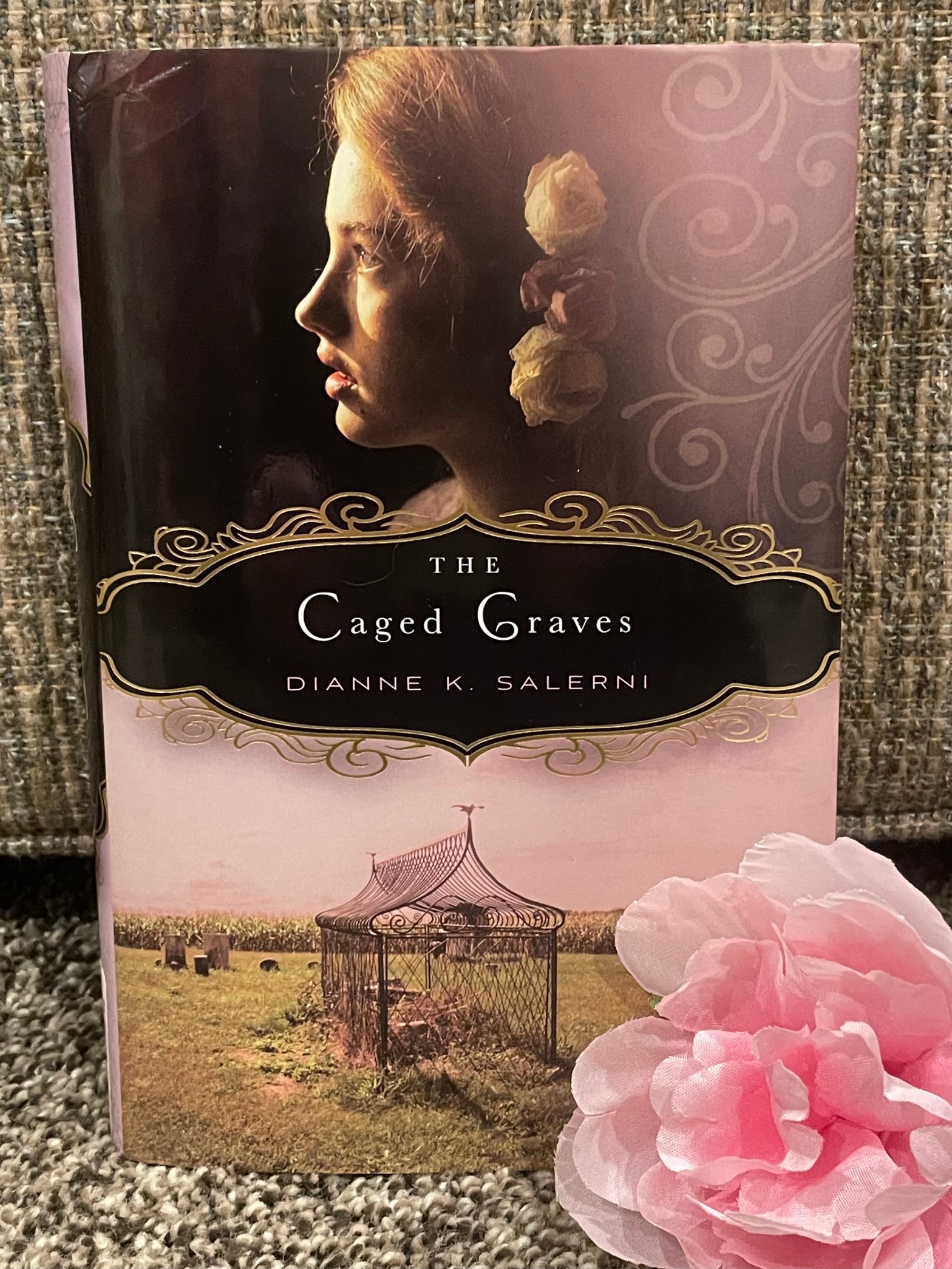
  • Cover. Not to mention the beautiful cover art!
  • Author Note. Along with a brief history about the graves and the town where they came from, in the author flap Salerni includes a picture of herself at the actual graves she has written about. I think it’s neat she has shown her personal interest in the story in picture form.
Photo credit: Robert Salerni; found at https://missprint.wordpress.com/2013/
06/24/author-interview-dianne-k-salerni/

Weaknesses

  • (None!) I had to think very hard about this one, but I think if the author included more history within the story about the historical context of the age, then I could have connected with the period a bit better (yes, it was after a war, but which war?).

I’m glad the author used for the story the real names on the actual gravestones and, though limited, used what history does tell us about these mysterious caged graves to make up the story that the world does not yet know about them. I recommend this book to all historical fiction lovers and all ages!

Book Review: The Daughters of Temperance Hobbs by Katherine Howe

Rating: 4 out of 5.

It’s hard to make a sequel at good as the original, and this one, though engaging, fell a tad shorter than its predecessor, The Physick Book of Deliverance Dane. Let’s take a look!

This book delved more into the magical history of Connie’s family. This time, while nearly cracking under the pressure of pursuing tenure at the university where she works, Connie debates whether she should make the commitment to marry Sam, knowing that horrible fates have awaited the husbands of her women ancestors. The book weaves in and out of the different stories of Connie’s ancestors as she races against the clock to find a remedy that will save Sam…whatever the cost.

Photo by RODNAE Productions on Pexels.com

Strengths

  • Weaves history with fantasy. Historical Fantasy is my favorite combo-genre. I learned a lot more about herbs than I had, as well as the folklore that surrounded the actual historical evidence of cunning-folk.
  • “Magic comes at a cost” theme. This was done in a way that tested the protagonist in how far she would go to save those she loved.
  • Which “witch”? This story leaned more on the “wise woman” definition of witches rather than the “deal with the devil” definition that some books lean on for their characters like in The Witch’s Daughter (that one gave me the willies due to that).

Weaknesses

  • Pacing. It took me a while to get into the book due to the slow-moving beginning that, while necessary in introducing us to a new protagonist, mainly talks about the scholastic challenges Connie faces. I’m always a fan of the “scholar protagonist”, but it lagged a bit at times.
  • An unjust death. Animal-lovers like myself who read this book will know exactly who I’m talking about.
  • Who’s the antagonist? The villain of the story wasn’t quite clear to me. I think the author wanted the mysterious forces against the protagonist to be the antagonist of the story which worked out okay, but it was executed a bit shallowly.

This book wrapped up Connie’s story of her family legacy well and I think it was a fitting conclusion to a unique and intriguing story about a family of witches. I would recommend this story to those interested in colonial history and the history of witches. However, I think that this novel’s predecessor The Physick Book of Deliverance Dane is a good enough book that it can stand alone without a sequel.