6 Overdone Tropes in YA Literature and TV

The more I try to find new books/TV shows, the more frustrated I get from repeated tropes that I believe no longer need to exist or just need to exist in a new light than they already have been previously portrayed. Here’s a list of ones that are currently getting my literary goat. Let’s take a look!
From parade.com

The Vampire

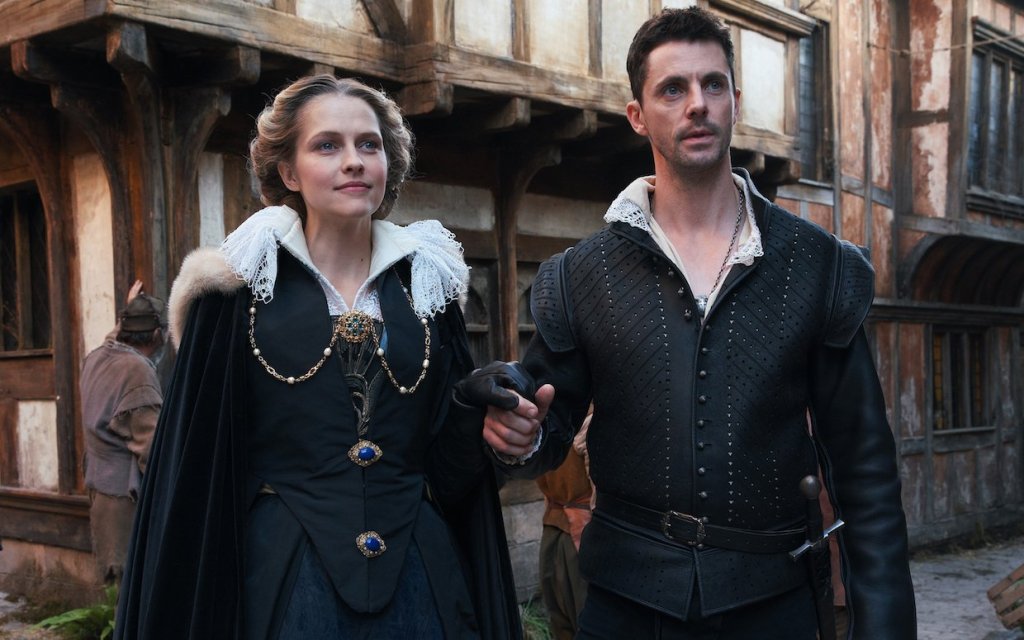
Even though Twilight and Vampire Diaries came out nearly 20 years ago, and Dracula came out 200 years prior to that, vampires are still as popular as ever. What is it about the blood-sucking monster of legend that is so appealing to readers? For some reason the human race has always been attracted to the mystery of the undead and immortality, so I do not think that vampires will be going anywhere anytime soon. However, it seems to me that the same story of the brooding vampire who wants to suck the blood of his true love has been done again and again in the same way: the vampire is male, the vampire fails at trying to stay away from his true love, the vampire has magical powers like mind-reading or super-strength, and the vampire loves someone he can’t have. Let’s get something new, people!

Examples: Twilight, Vampire Academy, Marked, A Discovery of Witches, Vampire Diaries, True Blood

From vulture.com

The Toxic Relationship with “The Bad Boy”

Ugh. I am not against the love-interest having a character-flaw, but when the character is rude to the protagonist—which makes them somehow attracted to them—and eventually causes them to drag the hero down to their level of messed up thinking, that is when I have a problem. What really burns my biscuits is that the “bad boys” think they know what’s best for the protagonist, so they try to control their actions–we see this countless times in YA literature. It makes me wonder what authors are trying to teach young audiences going through puberty: it’s okay to be attracted to this kind of person, because they are just trying to protect you and it’s okay to give yourself to them because it might just work out in the end? We have enough bad boys in the world, let’s hear about some good ones!

Examples: Twilight, Clockwork Angel, A Court of Thrones and Roses, After, 50 Shades of Grey, 365 Days, Lucifer, Bridgerton

From usgamer.net

The Assassin/Thief/Criminal

This trope has become more popular in recent literature. Are authors trying to make the protagonist more diversified? If so, I agree that this is a fine trope to include, IF the character grows or evolves from this personality into a person of principle—like Aladdin or Flynn Rider. My problem with this trope is that if they remain in their criminal ways, then it seems like the author is trying to glorify their crimes to the reader, which I believe to be rather unhealthy.

Examples: Throne of Glass, Nevernight, The Gentlemen Bastards Series, Poison, Mask of Shadows, The Traitor’s Game Series, Hanna, Dexter, The Blacklist
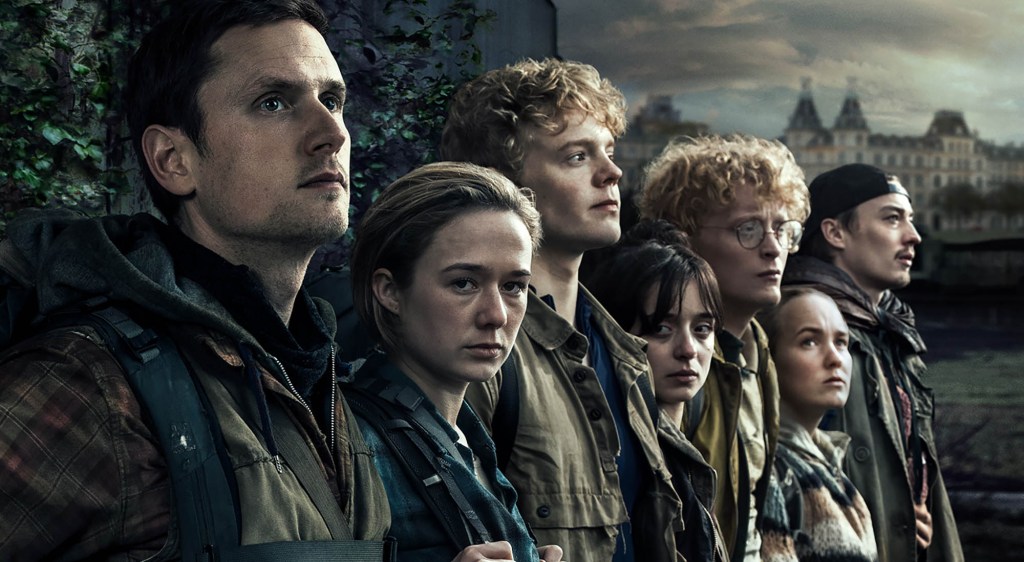
From filmdaily.co

The Dystopian Society

Don’t get me wrong, I love reading a good dystopian tale and I enjoy writing them as well. However, the trope where characters (usually teenagers) are trying to overthrow a corrupt government seems like it has been a bit overkilled. The “empowerment” that the protagonists are trying to attain in these books bugs me a bit due to the very real parallels that this trope makes with modern, real-life millennials of society. To me, books like this are teaching teenagers that they can overthrow government (whether oppressive or not). While I am all for stories that express the ideal “I believe that the children are our future”, I am not a fan of empowering teenagers with this kind of mentality if it inspires them to get involved against governmental issues that they do not yet understand fully.

Examples: The Hunger Games Series, The Selection, Divergent Series, Maze Runner Series, Matched Series, Unwind Series, The Society, The 100

From cinemablend.com

The Fairytale Retelling

This has to be one of my favorite tropes to read and write, but I think that it too is in danger of being overdone in popular literature. I have liked some of the recent twists that authors have made to classic tales, but it seems like authors are doing the same ones over and over again—Cinderella, Beauty and the Beast, and Sleeping Beauty being the main ones. I would like to see some of the lesser-known folktales of Hans Christian Anderson or the Grimm Brothers turned into book-length manuscripts, like “The Six Swans”, “The Nightingale”, or even “Bluebeard”. I think it would be neat to also read tales based off of nursery rhymes.

Examples: A Curse So Dark and Lonely, Cinder, The Goose Girl, Twisted Tales Series, Snow White and The Huntsman, Red Riding Hood, Once Upon a Time, Maleficent

From screenrant.com

Angels & Demons

This trope is an interesting one, but I think the authors who have used it have sort of missed the mark. Due to the religious origins of these types of tropes, if they are portrayed in a YA relationship, it makes me a bit uncomfortable mainly because I am a religious person and I see angels and demons differently from the way they are crafted in these stories. While they contain interesting interpretations, I find them not very believable and, therefore, don’t think they are worth my time. I think the reason that so many authors have tried to tackle this trope is because it seems like everybody understands the nature of angels and demons differently and it definitely shows in their work.

Examples: Fallen; Hush, Hush; Halo; Mortal Instruments; Charmed; Lucifer; Supernatural

So those are some of my thoughts on the popular YA tropes that I see have outlived their usefulness (if they had any usefulness at all) and hold out hope that this coming generation of writers may craft stories that are a bit more original to the literary imagination.

My Jane Austen Novel Love-Interest Ratings

Since Valentine’s Day is coming up, I thought I’d look at the love-interests of the heroines of the “Queen of Regency Romance Novels” herself, Jane Austen. How do they add up on my own literary romance spectrum 5 to 1 (5 being my least favorite, 1 being my most favorite)?

Let’s take a look!

5. Mr. Knightley from Emma

“Perhaps it is our imperfections that make us so perfect for one another.”

While I understand that he didn’t realize his feelings for his best friend Emma until it was almost too late (we get this in a lot of modern-day Hallmark Movie spin-offs), he seems like he drags his feet when it comes to the whole commitment of marriage. However, I do admire his blunt comments he makes to her in his attempts to humble her snobbish nature—Emma is probably one of my least-favorite Jane Austen heroines due to this fact and her sometimes overreaching self-assurance. So, I suppose my main flaw with Knightley is that he is actually attracted to this kind of person. Shame.

4. Colonel Brandon & Edward Ferrars from Sense & Sensibility

“When the romantic refinements of a young mind are obliged to give way, how frequently are they succeeded by such opinions as are but too common and too dangerous!”

Colonel Brandon, Chapter 11

“He was not handsome, and his manners required intimacy to make them pleasing. He was too diffident to do justice to himself; but when his natural shyness was overcome, his behaviour gave every indication of an open, affectionate heart.”

About Edward Ferrars, Chapter 3

I kind of feel bad for lumping these two awesome characters together, but I think that each one offers something unique to the mix. Ferrars is ranked a bit lower than Brandon, I’m afraid. Ferrars pays court to Eleanor in a meek yet humble way, while still feeling bound to prior commitments (a.k.a. the person he has secretly been engaged to). While this may seem adulterous and unfair to both women, I feel rather bad for the poor sap who seems like he is just trying to do right to both of them, while being stuck in the conflict of whether or not he should take his own feelings into account. Brandon on the other hand is the moral beast of the novel; his patience and long-suffering while being kept in the friend-zone finally pays off when Marianne comes to her senses about her relationship with the rakish man-hoe Willoughby. While Brandon may seem like a re-bound at first, we can see how Marianne has matured in her feelings and recognizes the emotional maturity of Brandon. I believe that their relationship is one that could rival Elizabeth and Darcy’s.

3. Mr. Darcy from Pride & Prejudice

“This is the second time she has turned me down, and with an apparent attempt to affront me. How does she manage to disappoint and intrigue simultaneously?”

Noe Villarreal, Mr. Darcy falls in love

Speaking of Mr. Darcy, I know…Mr. Darcy isn’t ranked at #1?? While I admire the kindness he eventually shows to Elizabeth, he is such a jerk at the beginning. His brooding nature is enough to make any girl swoon, yet the determined and feisty Elizabeth can see right through him, which is probably a big (if not main) influence on what finally changes his tune. I’m sure that he was a kind fellow before meeting Elizabeth as well, but I would have liked to see more of his niceness rather than his prejudice jabs. However, I guess without these actions, we would have only one half of the classic tale…right?

2. Captain Wentworth from Persuasion

“I offer myself to you again with a heart even more your own, than when you almost broke it eight years and a half ago.

This guy broods, but I think he has a valid claim for why he does so to poor Anne. Since he was slighted in the past and has no reason to think that Anne has changed her nature of being so easily persuaded by others, I think that he has a right to not give her the time of day. However, the fact that we still see his love for her through the pained expressions and dialogue he gives us, it’s any wonder that Captain Wentworth is certainly a complex soul.

1. Mr. Tilney from Northanger Abbey

Come, shall I make you understand each other, or leave you to puzzle out an explanation as you can? No – I will be noble. I will prove myself a man, no less by the generosity of my soul than the clearness of my head.

Now on to the light-hearted love-interest who is kind to our heroine from the get-go. He may not tell Catherine everything about his family life from the start (I mean, who would do that after only going on a couple of dates?), but when it is brought up, he does not try to hide anything he feels should not be hidden. While his sarcastic personality may not reek with the drama that Darcy and Wentworth emanate (which I think is smart on Austen’s part, since Northanger Abbey is supposed to be a funny stab at gothic fiction—one of the most dramatic genres of all), his character is never pretentious and he is always honest with Catherine about his intentions. This rarity in manhood claims our heroine’s heart, which I’ll admit that I myself admire in any love-interest, fictional or otherwise.

… I’ve loved you as a man loves a woman. As a hero loves a heroine. As I have never loved anyone.

You may have noticed that Mansfield Park‘s Edmund Bertram is absent from this list.

Given that this is the one Jane Austen book that I never got around to reading, I found it unfair to include him in this ranking. So far, my only judgment about him is the fact that he is our main character Fanny’s cousin, which kind of leads me to have a preconceived prejudice about him as a love-interest (even though marrying your cousin was perfectly normal in the era, it still gives me the willies). However, maybe after I actually read the novel, this judgment will change.

7 English Lit Classics I’ve had to Watch the Movie to Understand

Anybody ever like a movie adaptation better than the book because of confusion regarding the themes/language/historical context of the story? Below I’ve listed some that I’ve come across during my English Lit education.

1. Great Expectations

I heartily tried a few times to read this book, but I just couldn’t seem to get past the beginning. I think also the sheer weight of the novel was a bit intimidating for me—and given my young age when I first tackled it, I found the old Victorian language a bit difficult to understand. However, after watching the movie, I was able to not only recollect the bit I did read, but also see how the story evolved and Pip’s character developed, making it a memorable story.

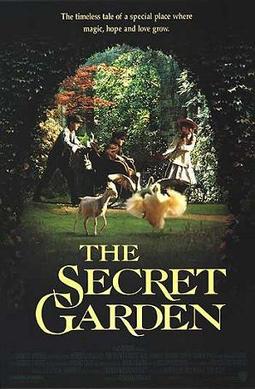
2. The Secret Garden

I think this movie highlights all the best points of the book and introduces some new ones pleasing to the young mind. I first watched the film when I was around 7 or 8, long before I tried to read the book as a high school sophomore, and loved the mystery, the music, and the characters portrayed by very talented actors (Maggie Smith? Of course!). The costumes and the 1900’s English setting were also very well done, which I think first spurred my interest in the era. I really wanted to read the book and finally did in 10th grade…only to find it more disappointing than the film. Mary Lennox seemed a lot more hateable to me, given her sour attitude that never seemed to change, and Dickon, who is to this day one of my favorite supporting characters in film, did not seem that essential to the story or Mary’s character development. The only one who I saw real character growth in the book was Colin (who I didn’t care for that much in the movie…how ironic).

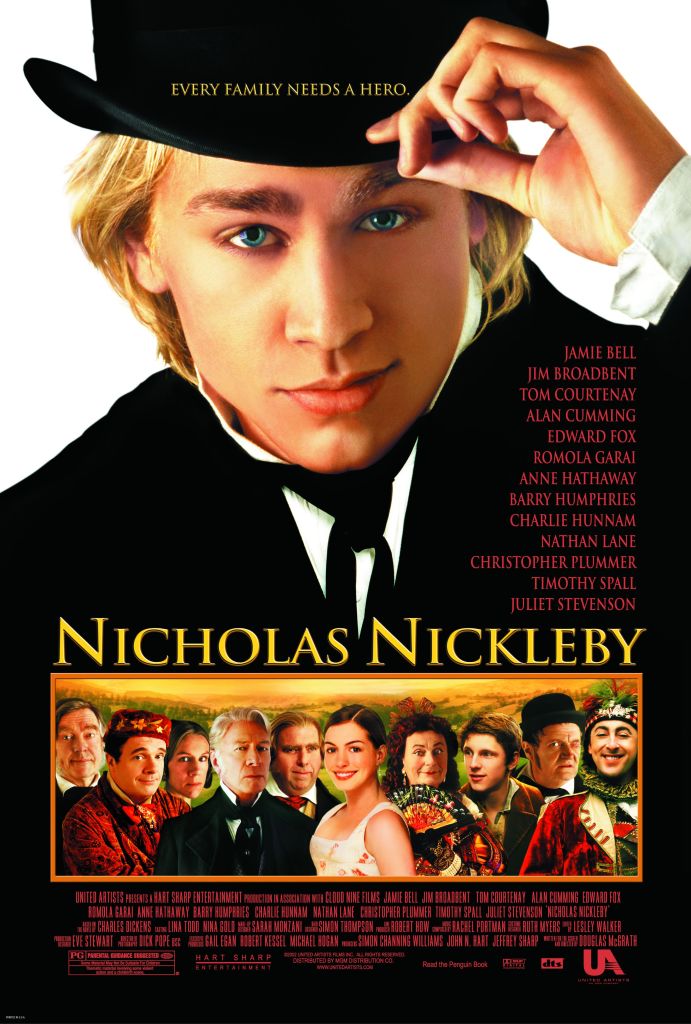
3. Nicholas Nickleby

I also watched this movie before reading the book and have to say that I enjoyed it a little more than the book. I’ll admit that I read an abridged version of the audiobook instead of tackling the million-paged book, so this opinion had spawned from the fault of my own lazy actions. I was most disappointed with the fact that the abridged book (at least, the version that I read) left out The Crummles Troupe! Why??

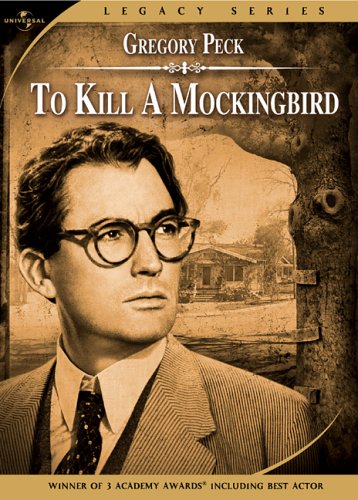
4. To Kill A Mockingbird

In high school, no matter what I did, I could not stay focused while reading this book. To me, it was a collection of dialogue in a time and an era that did not seem to make sense to me. However, once I watched the classic film with Gregory Peck, I was able to understand more about the prejudice of the era and other themes contained in this book.

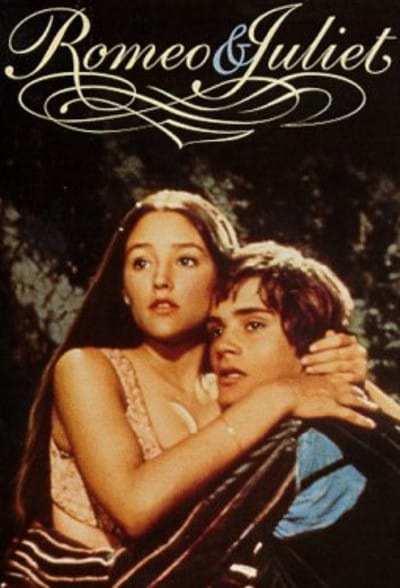
5. Romeo and Juliet

As classic as this tale is, I won’t deny that reading it in its original language and format is quite difficult for middle and high schoolers. Luckily, my middle school English teacher also showed us clips from film adaptations while learning the gist of Shakespearean plays. This is something I plan to do when/if I teach Shakespeare.

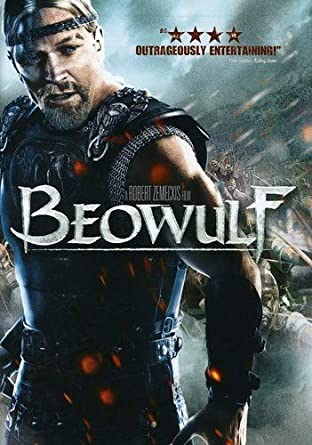
6. Beowulf

I don’t remember much about this story, except how grateful I was when my teacher showed us a clip from a film adaptation. Being the example of Old English it is, it’s sad that something classic like this should be misunderstood from its language and history that may be unfamiliar to students of today’s age. Like Romeo and Juliet, I plan to combine visual clips with this literature to help students better understand this epic that has been defined as the bedrock of English literature.

7. The Island

1984 was a novel that I was not a fan of from the get-go, but I liked the idea of the possible existence of a dystopian society. Sensing our class’s confusion, in order to help us better visualize the new world that Orwell created, my English teacher showed us clips from the film The Island, which drew upon the storyline and the themes contained in Orwell’s work (so I’m told). I turned out actually liking the film and was able to understand the concepts in Orwell’s imagination a bit better.

Favorite Historical Fiction Periods: Tudor (1485-1603)

Ever since I read Elizabeth I: The Red Rose of the House of Tudor from The Royal Diaries middle grade series in 4th grade, I have always been interested in Elizabeth I, Anne Boleyn, King Henry VIII, and the rest of the Tudor Dynasty. I always love reading historical fiction as well as non-fictional biographies about the political and religious upheaval of the Tudor court as well as how they affected the lives of England’s people of the era.

Nonfiction Recs

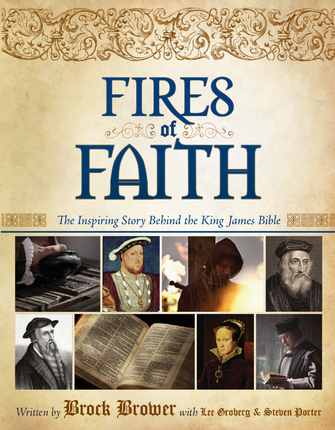
Fires of Faith: The Coming Forth of the King James Bible by Lee Groberg, Mark Goodman, and Mitch Davis – This picture book follows a documentary DVD made by BYU about the reformers and martyrs during the turbulent reigns of the Tudor monarchs.

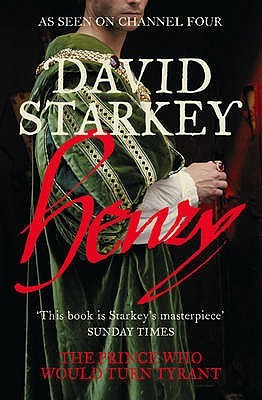
Henry: The Prince Who would Turn Tyrant by David Starkey – An account that follows the King Henry VIII that we are not too familiar with; his early years where he fought jousts, combatted in battle, and assumed a crown that once belonged to his elder brother.

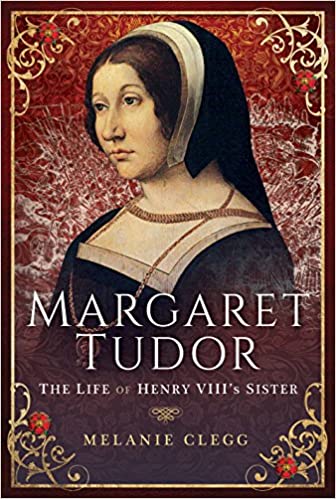
Margaret Tudor: The Life of Henry VIII’s Sister by Melanie Clegg – Read about the life of one of the lesser known, yet powerful women of the Tudor Era, one of the sisters of King Henry VIII.

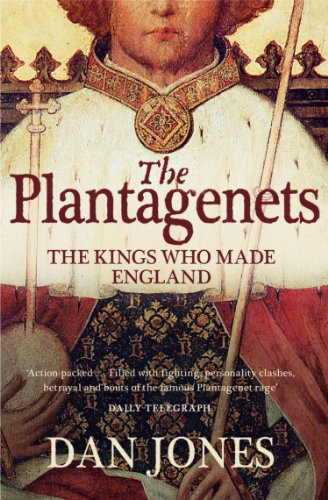
The Plantagenets, The Kings Who Made England by Dan Jones – Read about where the Tudor Dynasty began during the Wars of the Roses between the houses of Plantagenet and York.

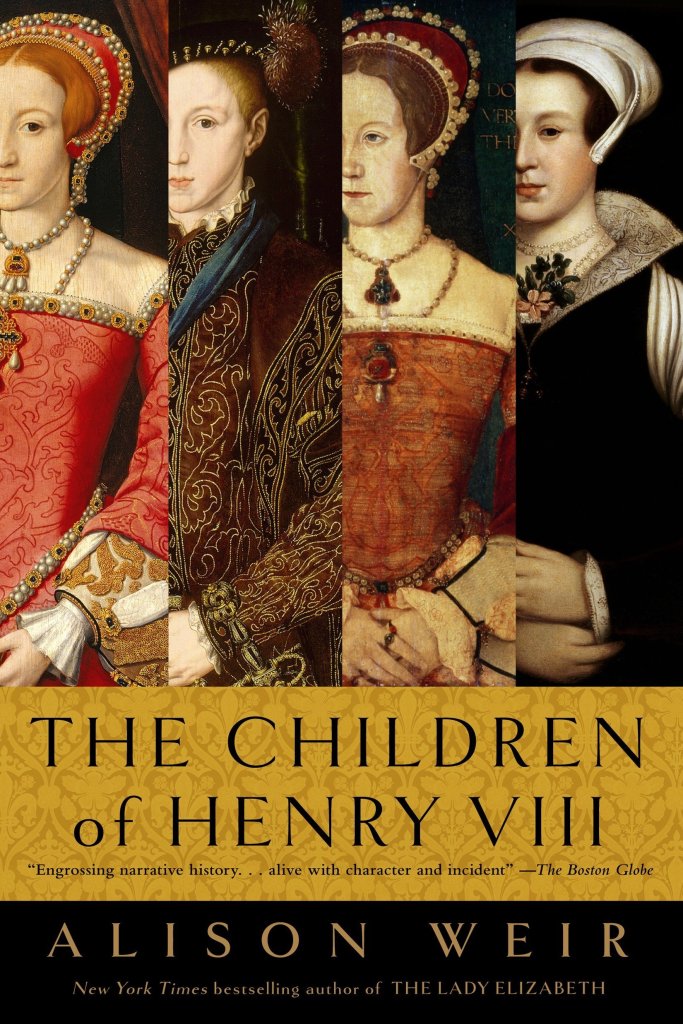
The Children of Henry VIII by Alison Weir – One of the best accounts Tudor history I have read, this book gives great detail about the lives and challenges faced by the four heirs of Henry VIII: Edward VI, Jane Grey, Mary I, and Elizabeth I.

Fiction Recs

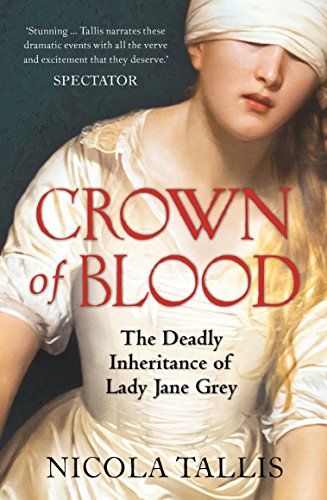
Crown of Blood: The Deadly Inheritance of Lady Jane Grey by Nicola Tallis – Learn about the brief rise and dreadful fall of the seventeen year-old, nine-day queen Jane Grey in this gripping tale.

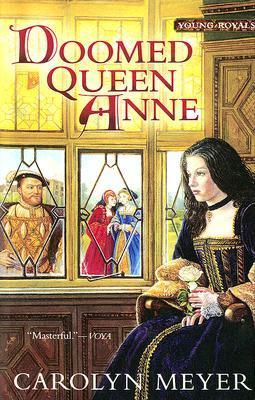
Doomed Queen Anne (Book #3 in the Young Royals series) by Carolyn Meyer – This middle reader is a good introduction to the life and fall of Henry VIII’s second wife Anne Boleyn, who was the first queen of England to be executed.

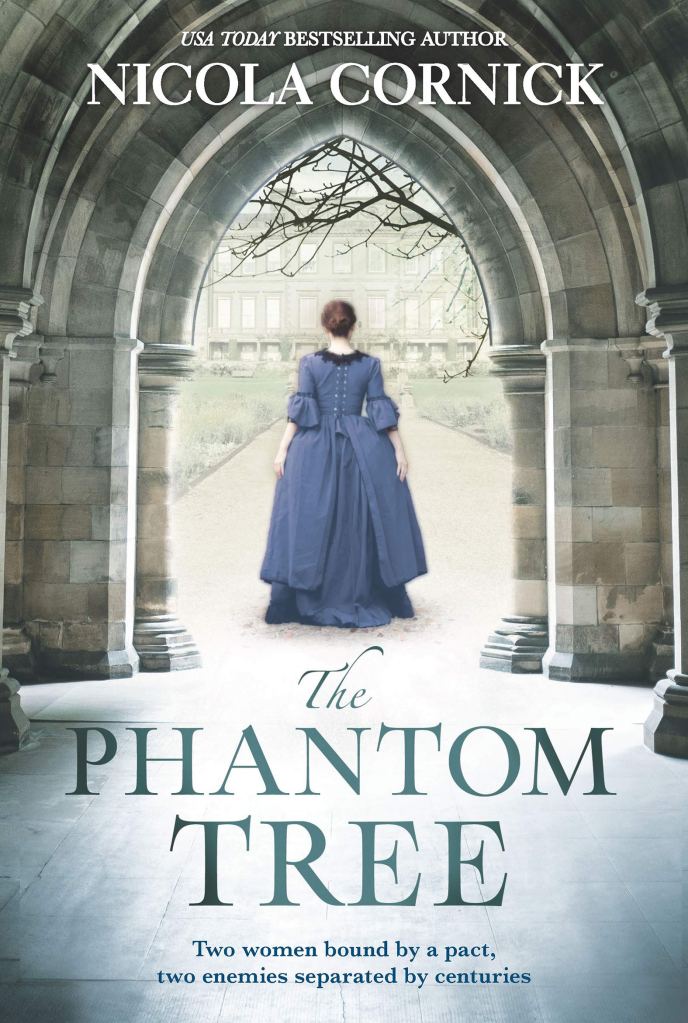
The Phantom Tree by Nicola Cornick – Read a tale that re-imagines the fate of the disappearance of the daughter of Henry VIII’s sixth and final wife Katherine Parr and her fourth husband Thomas Seymour. This story spans between the Tudor Era and the present-day.

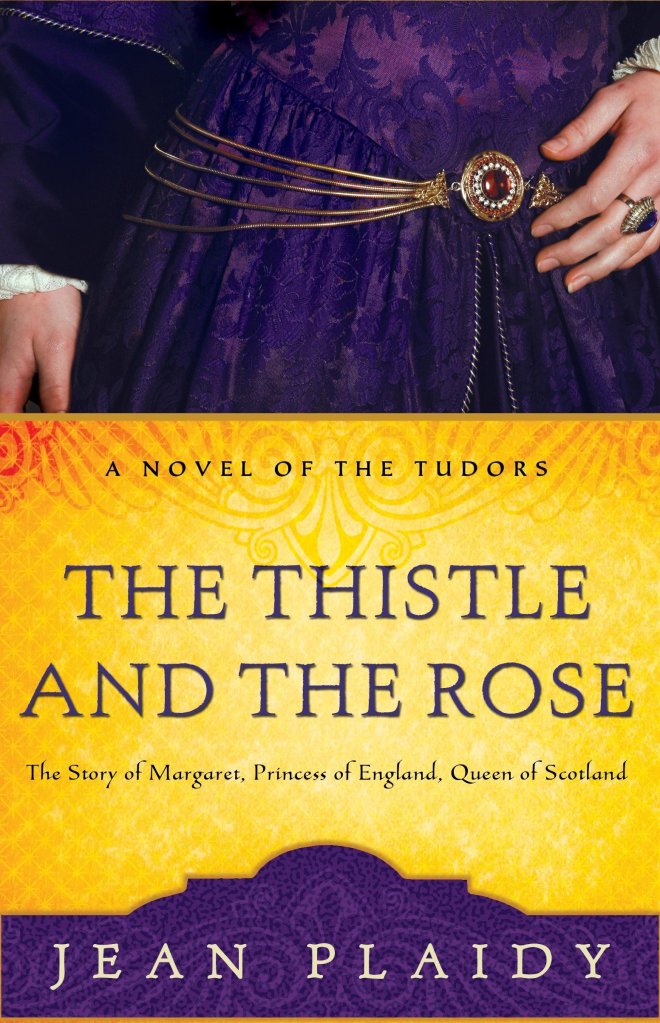
The Thistle and The Rose (Book #8 in the Tudor Saga) by Jean Plaidy – Famous Tudor historian and author Jean Plaidy writes a gripping account of Henry VIII’s sister Margaret and her Scottish alliance.

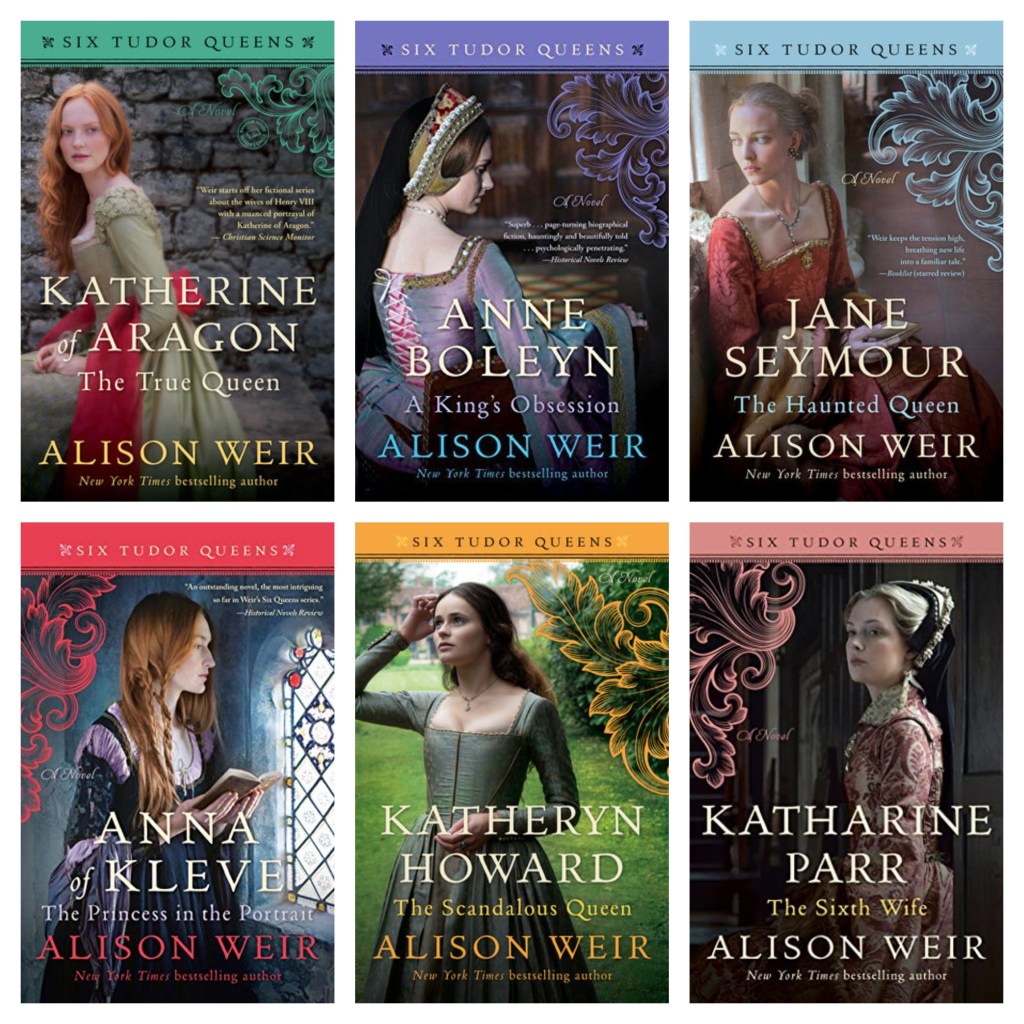
The Six Tudor Queens Saga by Alison Weir – These novels are from the first-person POV’s of each of the six wives of Henry VIII. Not only is this a good way to learn about each of the women who influenced England during the Tudor Era, but also the history of the period.

Books Written from Era

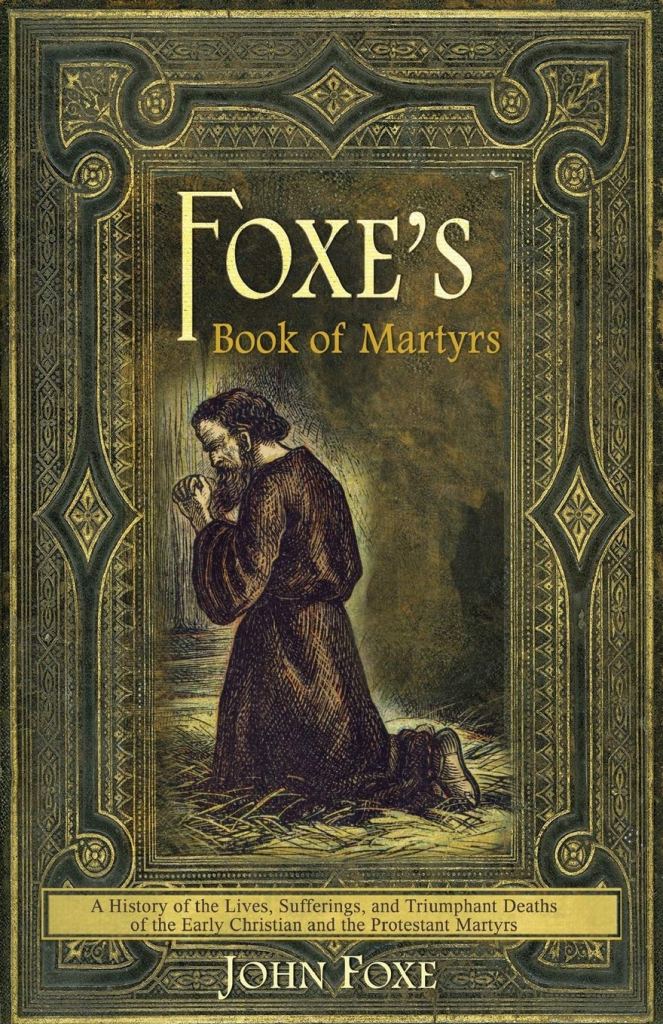
Book of Martyrs by John Foxe – Protestant reformer John Foxe outlines accounts of the religious reformers of the 16th century and the sacrifices they made for their beliefs.

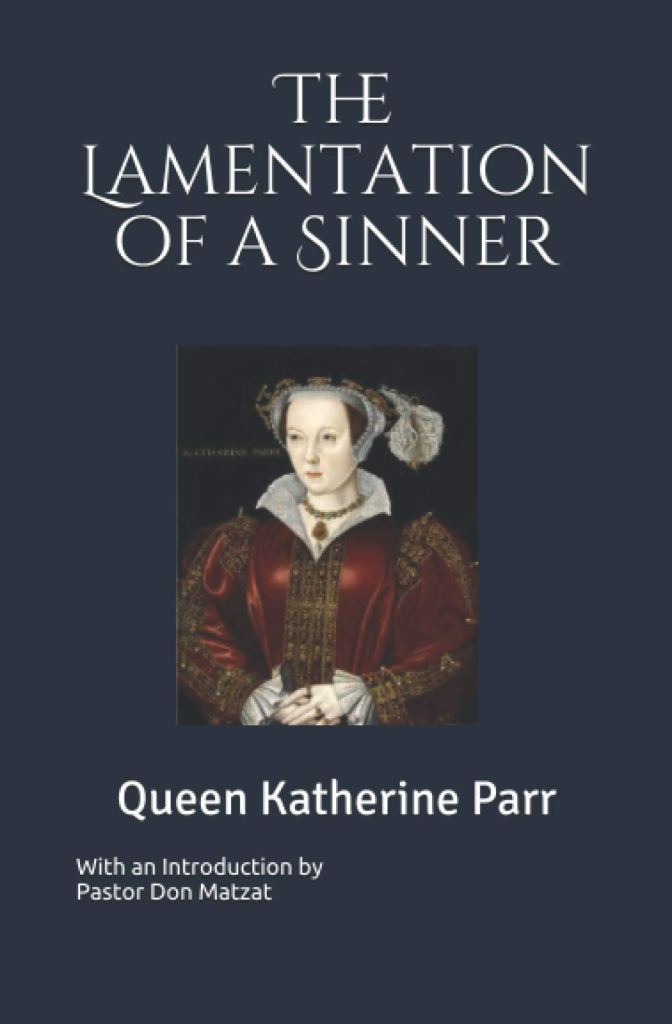
The Lamentation of A Sinner by Queen Katherine Parr – This was a famous book presented by the sixth wife of Henry VIII Katherine Parr to her husband in the year in 1547.

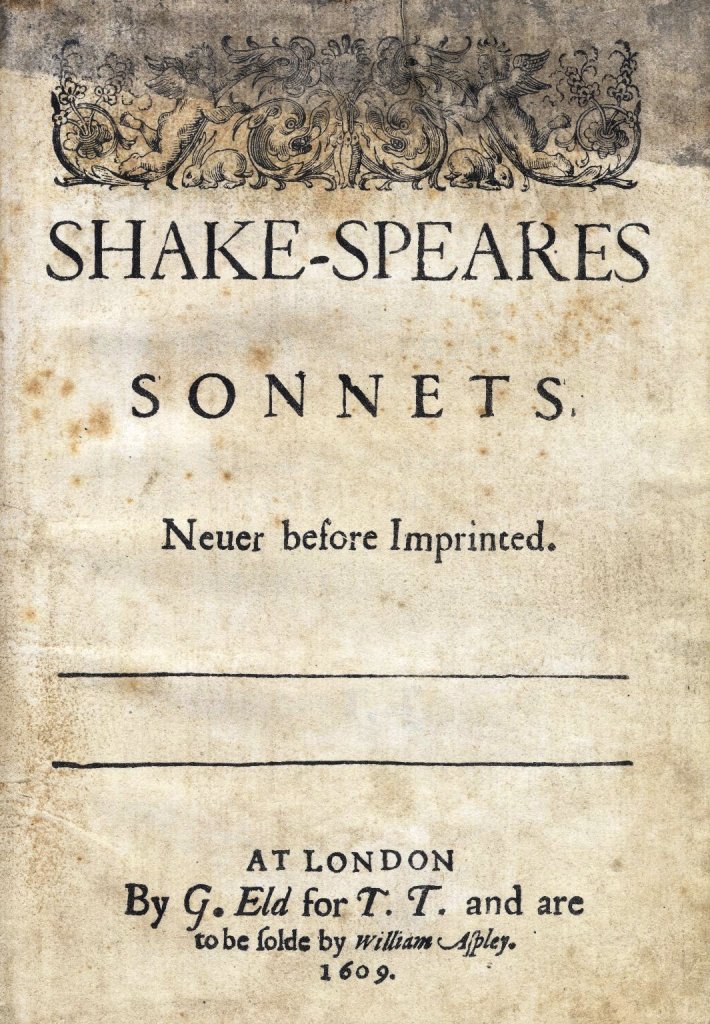
Shakespeare’s Sonnets by William Shakespeare – A collection of sonnets from the most famous writer/playwright of the age published the final year of the Tudor reign of Queen Elizabeth I.

The Works of Sir Walter Raleigh by Walter Raleigh – This site lists the selected collection of writings by a famous explorer of the age and one of Queen Elizabeth I’s court favorites.

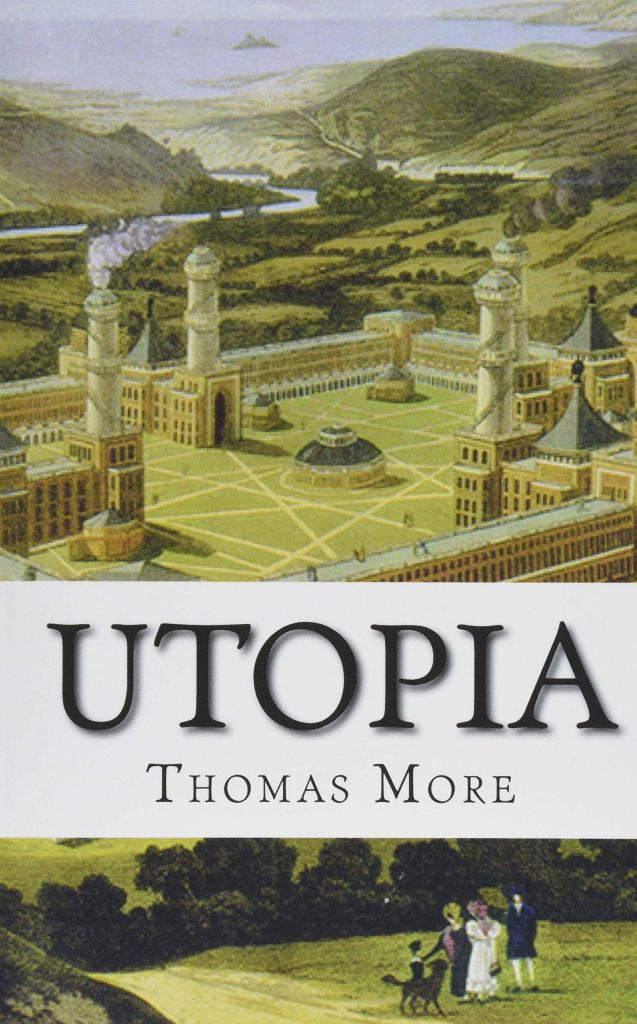
Utopia by Sir Thomas More – This 1516 classic by one of the greatest humanist’s of Henry VIII’s reign highlights the moral corruptness of society and outlined examples for possible reform.

5 Anticipated Historical Fiction Books of 2021

I always seek inspiration for my own historical fiction stories by reading what other authors have come up with, especially from periods that fascinate me (including but not limited to the Medieval, Tudor, Civil War, and WWII eras). Below are some of the books coming out this year set in those time periods!

Yellow Wife

Yellow Wife, A Novel by Sadeqa Johnson

Expected: January 12, 2021

Fans of Twelve Years a Slave will enjoy this riveting and courageous novel. A young black woman who was promised her freedom on her 18th birthday finds herself caught in the grips of a vicious prison meant to break slaves into submission. See how she uses her wits and courage to fight the oppression that surrounds her.

Our Darkest Night

Our Darkest Night: A Novel of ltaly and the Second World War by Jennifer Robson

Expected: January 5, 2021

Follow a Jewish woman and a Christian farmer’s story as they seek to protect each other from the tumultuous effects of World War II.

The Women of Chateau Lafayette

The Women of Chateau Lafayette by Stephanie Dray

Expected: March 30, 2021

Based on true stories set on the property of a French castle, this book interweaves the tales of three extraordinary women from the years 1774, 1914, and 1940.

The Rebel Nun

The Rebel Nun by Marj Charlier

Expected: March 2, 2021

The illegitimate daughter of a 6th-century king and his concubine, a nun named Clotild seeks to lead a rebellion against the rising power and patriarchy of the Catholic church.

Katharine Parr: The Sixth Wife (Six Tudor Queens, #6)

Katharine Parr, The Sixth Wife by Alison Weir

Expected: May 11, 2021

This finale of the Six Tudor Queens Sage follows Henry VIII’s last wife and the dangers, intrigue, and religious upheaval she faces as the new queen. As she strives to hide her Protestant faith from one of the most powerful men on earth, she seeks ways continue to reform the Catholic church.

2020 Book Haul: Favorite Book Covers

Here is a list of 20 books I bought/checked out from the library this year where their fabulous covers were a primary reason for wanting to read their stories inside. Keep in mind these are covers of books that I acquired this year (not necessarily books that came out this year). Some I have read and written reviews, but most I haven’t, so I’m excited to read them!

Heresy (Giordano Bruno, #1) by S.J. Parris
Heresy, by S.J. Paris
Amazon.com: Lovely War (9780451469939): Berry, Julie: Books
Lovely War, by Julie Berry
The Deep by Alma Katsu
The Deep, by Alma Katsu
The Creeping by Alexandra Sirowy
The Creeping, by Alexandra Sirowy
Once Upon a Dream by Liz Braswell
Once upon A Dream: A Twisted Tale, by Liz Braswell
The Name of the Star (Shades of London, #1) by Maureen Johnson
Name of the Star, by Maureen Johnson
Ruined (Ruined, #1) by Paula Morris
Ruined, by Paula Morris
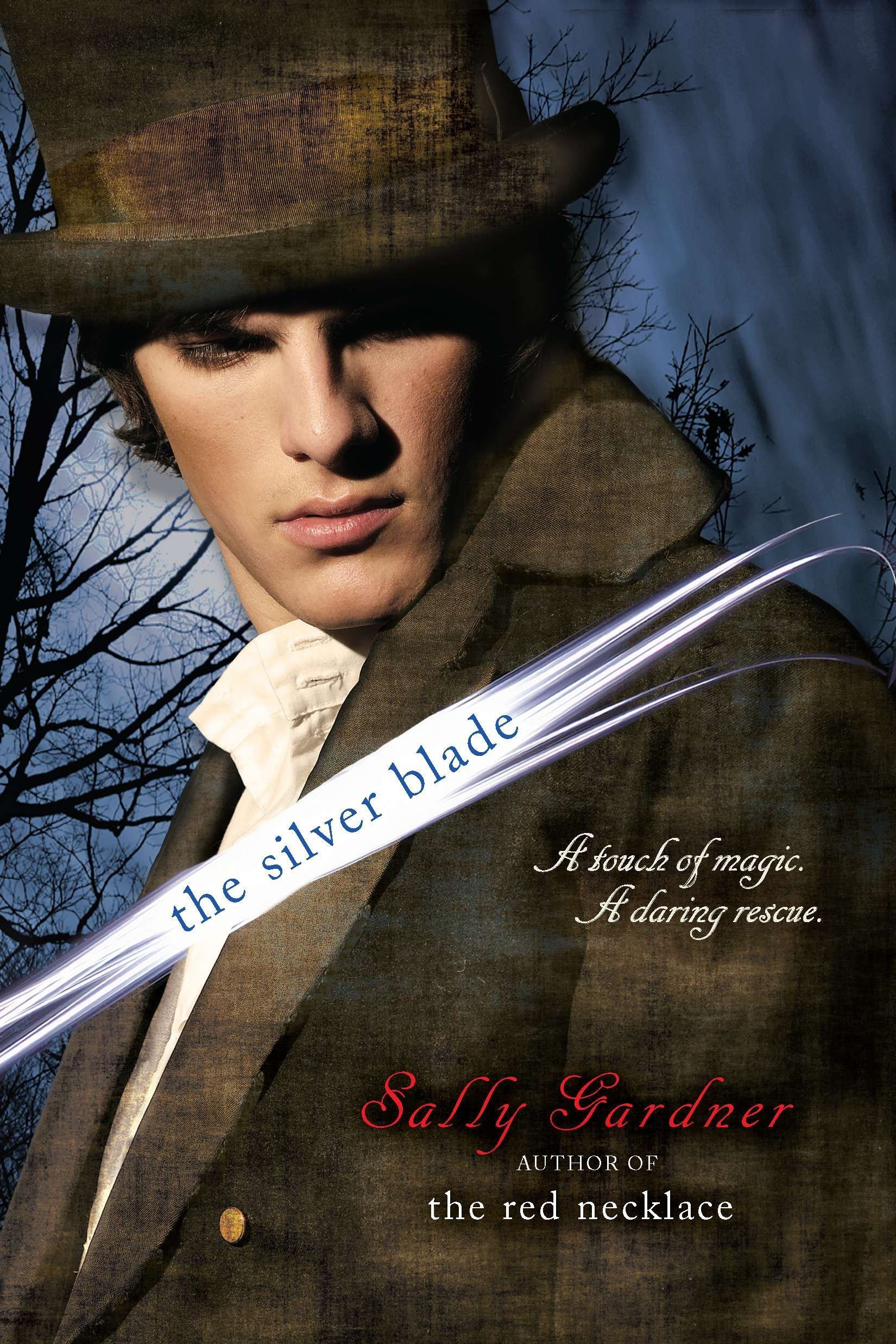
The Silver Blade: Gardner, Sally: 9780142417317: Amazon.com: Books
The Silver Blade, by Sally Gardner
The Guardian by Jack Whyte
The Guardian: A Tale of Scottish Independence, by Jack Whyte
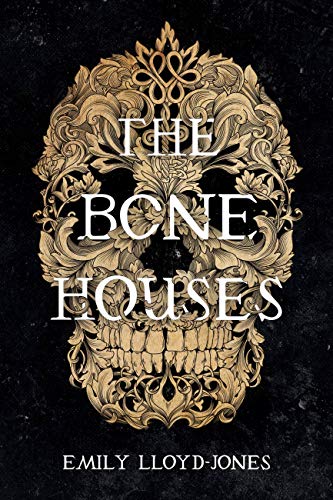
The Bone Houses, by Emily Lloyd-Jones
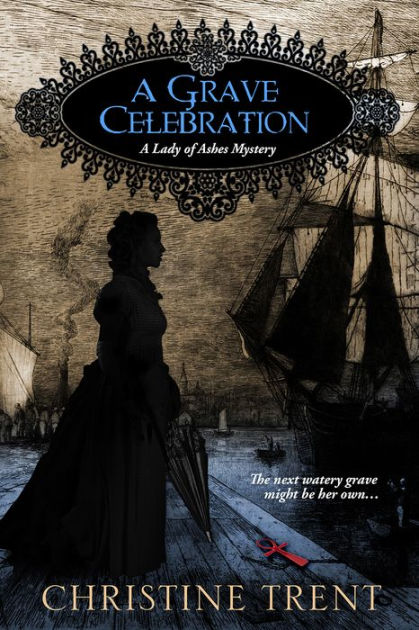
A Grave Celebration by Christine Trent, Paperback | Barnes & Noble®
A Grave Celebration, by Christine Trent
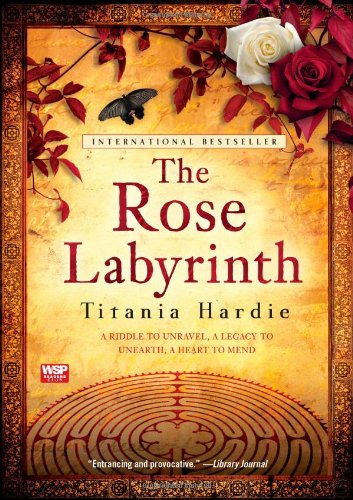
Amazon.com: The Rose Labyrinth (9781416586005): Hardie, Titania: Books
The Rose Labyrinth, by Tatania Hardie
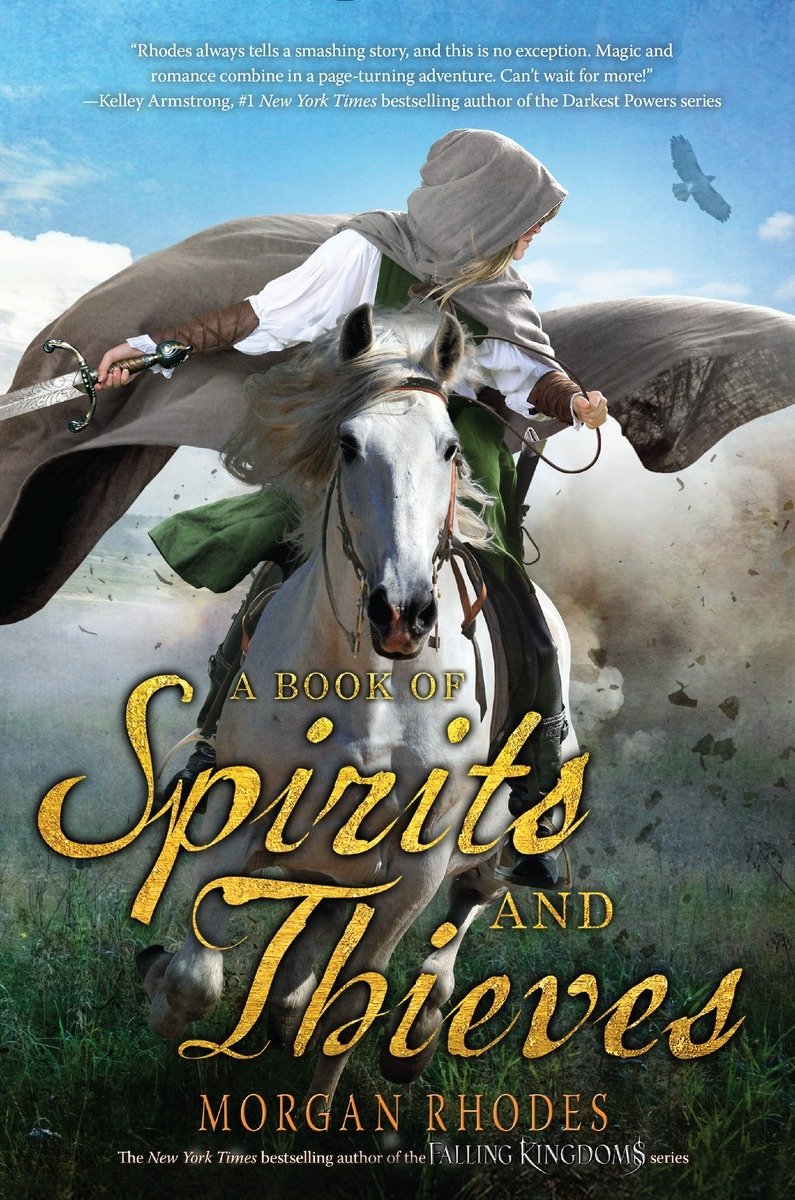
Amazon.com: A Book of Spirits and Thieves (9781595147608): Rhodes, Morgan:  Books
A Book of Spirits and Thieves, by Morgan Rhodes
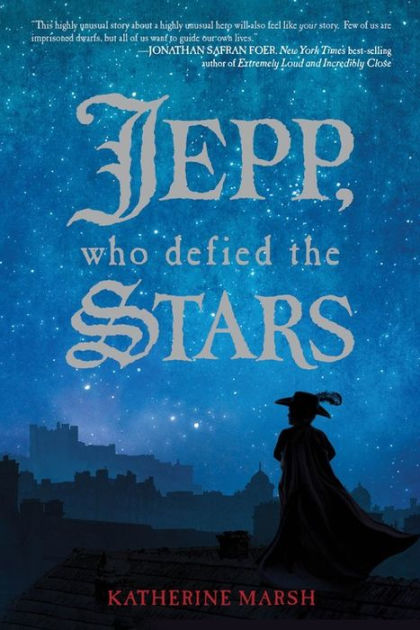
Jepp, Who Defied the Stars by Katherine Marsh | NOOK Book (eBook) | Barnes  & Noble®
Jepp, Who Defied the Stars, by Katherine Marsh
Tarnished City (Dark Gifts, #2) by Vic James
Tarnished City, by Vic James
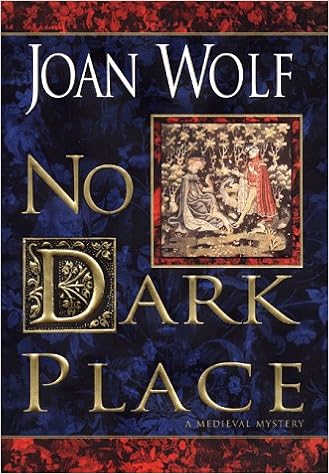
No Dark Place: Wolf, Joan: 9780060192389: Amazon.com: Books
No Dark Place, by Joan Wolf
Worlds of Ink and Shadow, by Lena Coakley
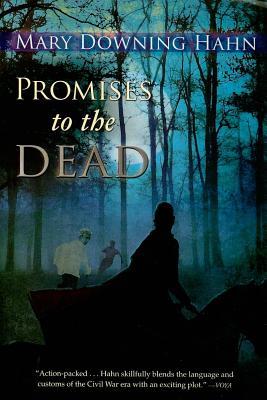
Promises to the Dead by Mary Downing Hahn
Promises to the Dead, by Mary Downing Hahn
One Thousand White Women: The Journals of Mary Dodd, by Jim Fergus
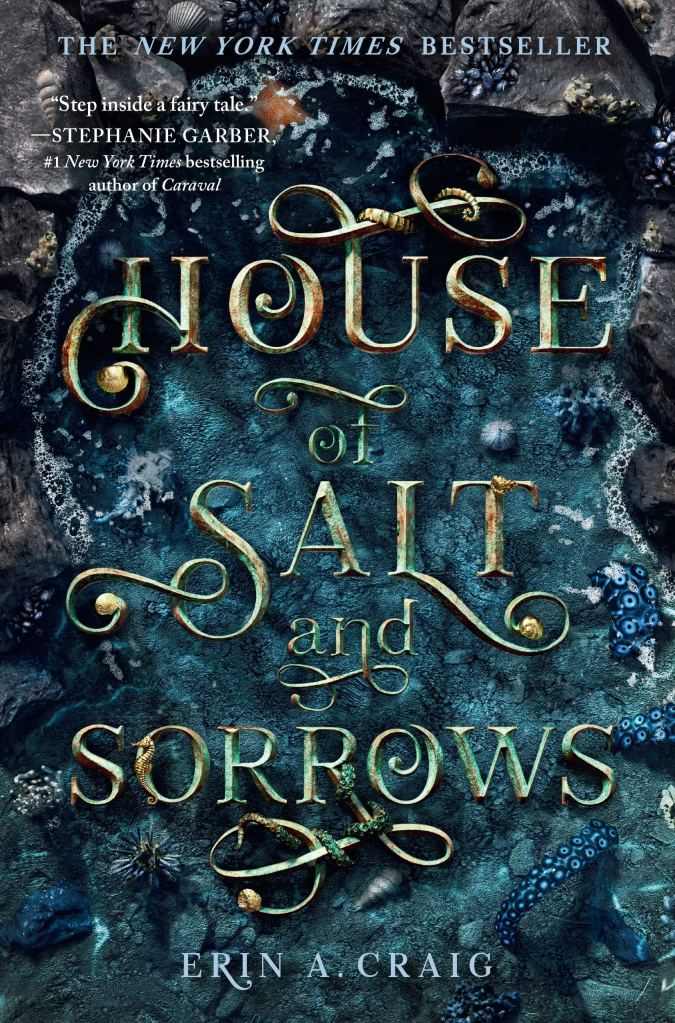
House of Salt and Sorrows, by Erin A. Craig

Book Review: My Cousin Rachel by Daphne du Maurier

Rating: 4 out of 5.

Being the fan of Rebecca that I am, I thought I’d check out another one of du Maurier’s books. And this one did not disappoint!

While we never see or hear the story’s subject in Rebecca, we get the complete opposite in My Cousin Rachel. Like Rebecca, we see only Rachel from the protagonist’s point of view, calling into question the reliability of the narrator. It’s because of this fact, I find du Maurier’s stories so fascinating. Who really is the subject of the book and did things really transpire the way that the narrator says they do?

In this story we follow young Philip as he investigates the sudden death of his favorite cousin Ambrose. Is it sheer coincidence that Ambrose swiftly married his cousin Rachel beforehand, who ended up inheriting his fortune? Convinced that Rachel had something to do with his cousin’s death, Philip goes to meet her, only to also fall under her spell and find himself in love with her. In this story we see how one woman toys with the emotions of lover in order to satisfy her own selfish needs.

Likes

  • Philip’s character. Even if he did come off as a fool sometimes, I could relate to him in certain ways regarding recognizing the games people play with others in relationships.
  • Language. Simple and not over-descriptive, just like du Maurier does in Rebecca.
  • Mystery. While parts of it may seem predictable (ex. we may know that Rachel is the villain of our sorry beforehand), there is always that question of “what will Philip do to stop her?”. I also liked how he invites us to ask this question in the first chapter of the book: “My dear cousin Ambrose is dead. That is why I am writing this story…I know who killed Rachel, but I do not know how my dear Ambrose died. Was he killed too? I shall never be able to answer that question. I shall never know the answer.”

Dislikes

  • Length. Like Rebecca, I read this as an audiobook, so I’m unsure as to whether or not this was an abridged version. While I am unsure as to whether or not there is more to the story, the length seemed appropriate for the pacing of the story. However, I think the ending resolution of what happened to Rachel could have been drawn out a bit more. It seemed a little abrupt to me.

Overall, this story had the same sort of suspense I enjoyed from Rebecca and kept my interest piqued throughout the whole tale. I’m excited to read what else du Maurier has written!

Series Review: Order of Darkness by Philippa Gregory

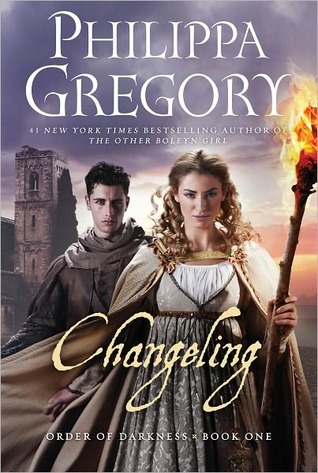
Changeling

Rating: 5 out of 5.

Summary: A young woman named Isabel strives to reclaim the birthright of her family estate from her conniving brother. She and her Saracen servant Ishraq embark upon a journey to do so and run into a young novice-in-training, the “changeling” of our story, named Luca and his trusty scribe. They are a part of a group called “The Order of Darkness” who snuff out dark, unexplainable mysteries of the world and seek to use the church and the power of God to defeat it.

Likes:

  • Cover: I think this is what initially drew me in to the series.
  • Genre of medieval historical fiction
  • Characters you can latch onto; each had different issues and ways of dealing with them. This is a good introductory book to the series that establishes characters well.

Dislikes: I would like to have seen more confrontation/action between Isabel and her brother.

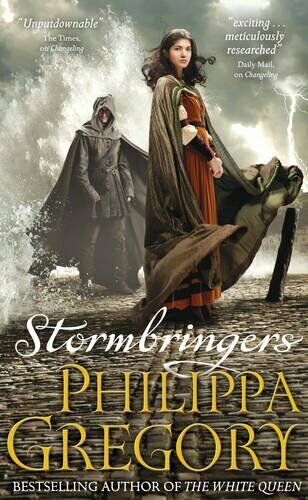
Stormbringers

Rating: 4 out of 5.

Summary: As their journey continues, the gang encounters a children’s pilgrim’s progress who seek to find redemption in the Holy Land. However, their escapade soon turns deadly.

Likes: I liked the development of Isabel’s servant Ishraq’s character a bit more; more rounded rather than a cool fighter who protects her mistress.

Dislikes:

  • I’m all for equality, but I think Gregory’s character Ishraq is a little off the mark. Though she is impressive with her fighting skills, wisdom, and loyalty, she seems to overshadow Isabel a bit, which I don’t really like.
  • It was a bit slow in parts.

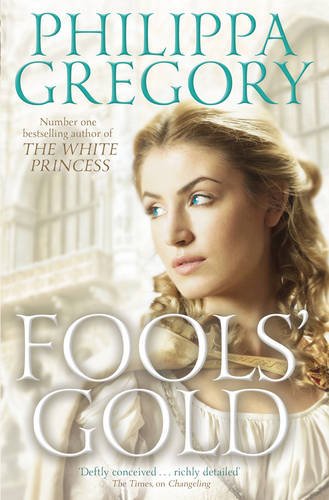
Fool’s Gold

Rating: 3 out of 5.

Summary: The gang arrive in Italy and find out this new world of moneylending, genetic experimentation, and cultural diversity is not exactly what they expected and may be more than they bargained for.

Likes:

  • Learned about the culture of medieval Italy.
  • Learned more information about the moneylending of the time, which may seem boring to some but I found enlightening.

Dislikes: I was psyched to see the relationship between Isabel and Luca develop, but the ambiguity of who exactly Luca hooked up with at the end (was it Isabel or Ishraq?) made me mad. It seems like Luca and Ishraq’s developing relationship was a bit forced. Plus, the fact that he was even in a drunken stupor and found himself in that situation where he did hook up with a woman, while trying to stick to his vows as a religious novice, was rather degrading to his character.

Dark Tracks

Rating: 2 out of 5.

Summary: The group encounters a dancing fever, a haven of Jews, and a darkness that none of them have ever met before. Weaved with a new interpretation of the mysterious fever that gripped medieval Europe, we delve further into the mysteries surrounding The Order of Darkness.

Likes: They tied in what happening with the community of Jews they were staying with for sanctuary with a nightmare that foreshadowed the Holocaust, however, the fact that this was kind of an afterthought disappointed me…I would have loved to see this plot develop more. I hope if they do continue the books in this series, they develop this idea a little better.

Dislikes:

  • No real plot; it seems like things were just happening and no development of the overall plot—Isabel’s journey to claim her inheritance—occurred.
  • To top it off, two characters who I didn’t want to get together ended up getting together…ugh.

Overall, I like the idea and the history this series presents, but the fact that the series seemed to miss the mark of the main plot of the story made each one go progressively down on my recommendation scale. I would recommend this series to teens if only for the sake of teaching some history about medieval Europe, but I’m hoping to find other series that would be better worth their time and creative energy.

Medieval historical fiction is something I hope to read more of, I just am not sure what other stories (GOOD stories that don’t ride on the smut that so often accompany medieval tales) revolving around this theme are out there. So, if you have any recommendations, please let me know!

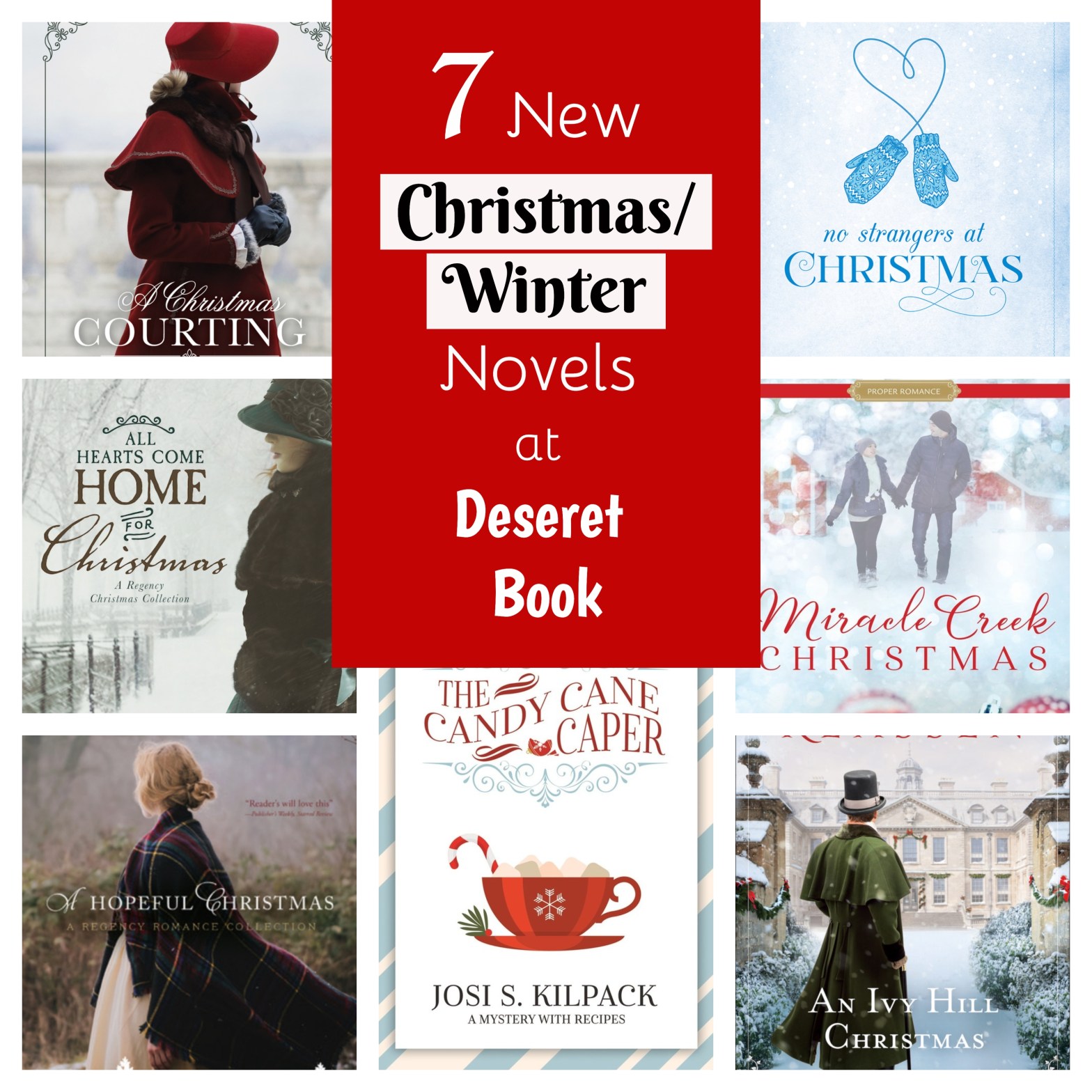
7 New Christmas/Winter Novels at Deseret Book

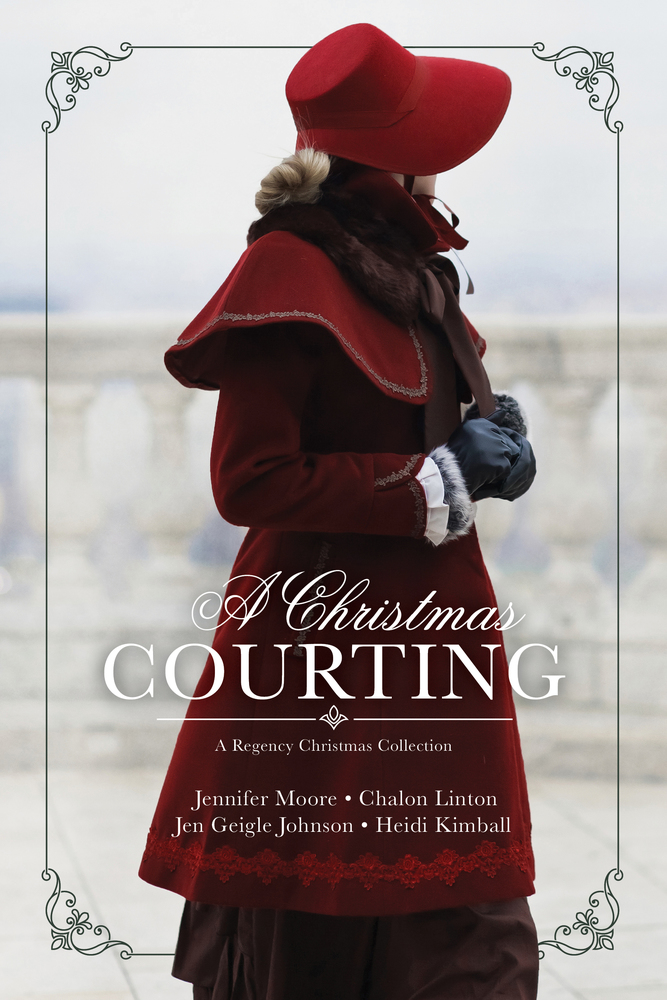
It’s always nice to see new books on the shelves of my favorite bookstore…especially during Christmastime! While I love nativity stories and Christmas picture books, it’s neat to see more Christmas or winter-oriented novels…for some reason, they don’t seem to be as common. Let’s check some of them out!

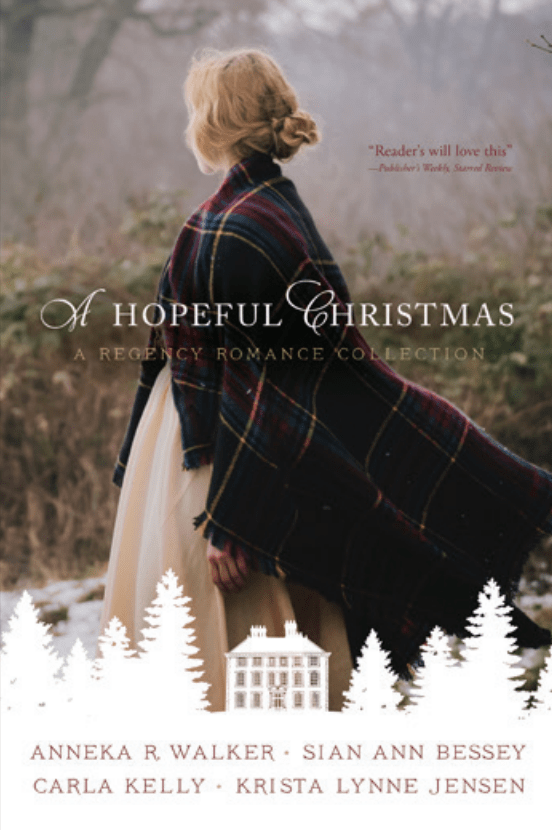
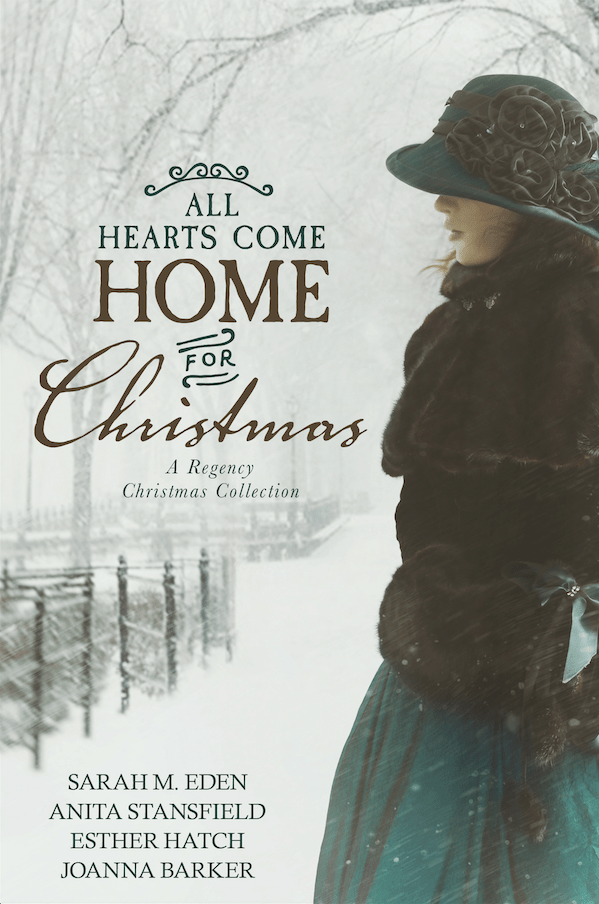
3 New Regency Romance Christmas Anthologies!

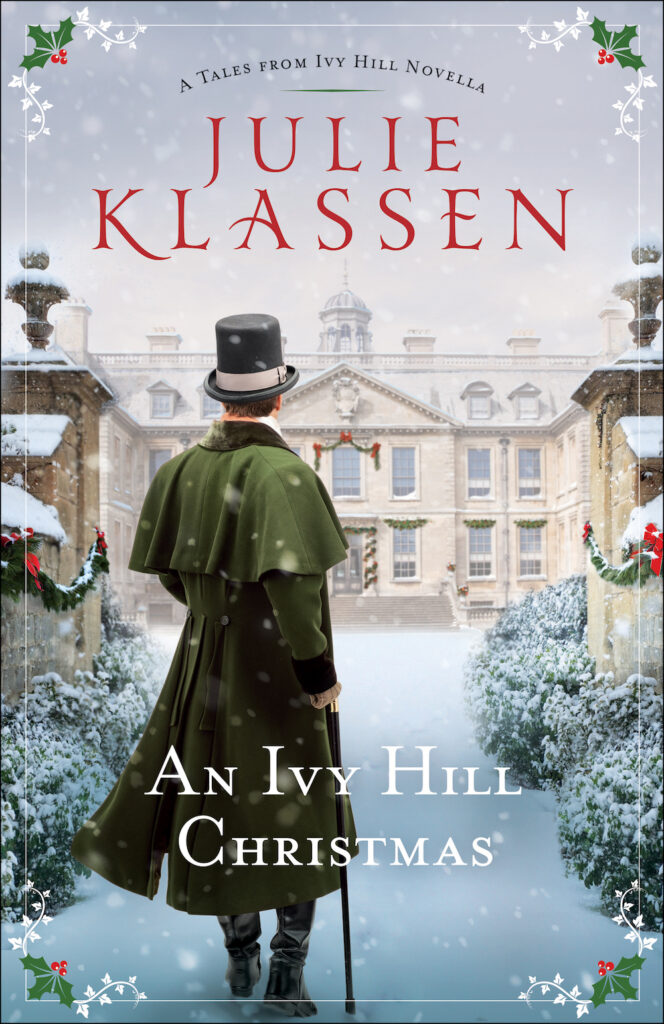
An Ivy Hill Christmas, by Julie Klassen

Can Christmas melt the ice around the heart of a young man threatened with disinheritance? Follow Richard Brockwell as he returns to his family home and faces the ghosts of his past.

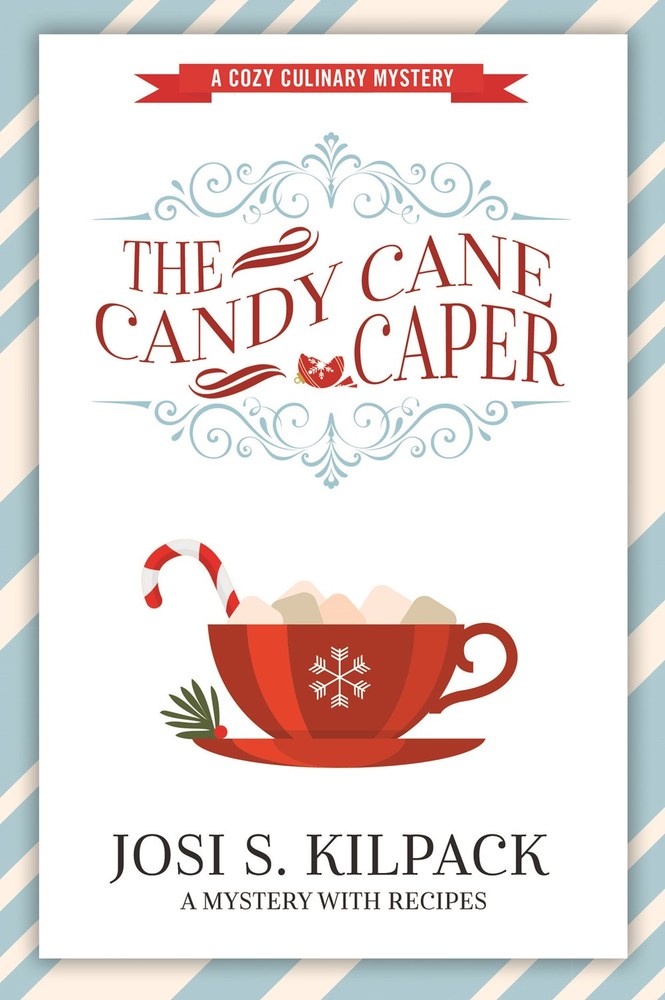
The Candy Cane Caper, by Josi S. Kilpack

The latest in Kilpack’s Culinary Mystery Series, this read has mystery, crime, and Christmas baking…what more could be asked for?

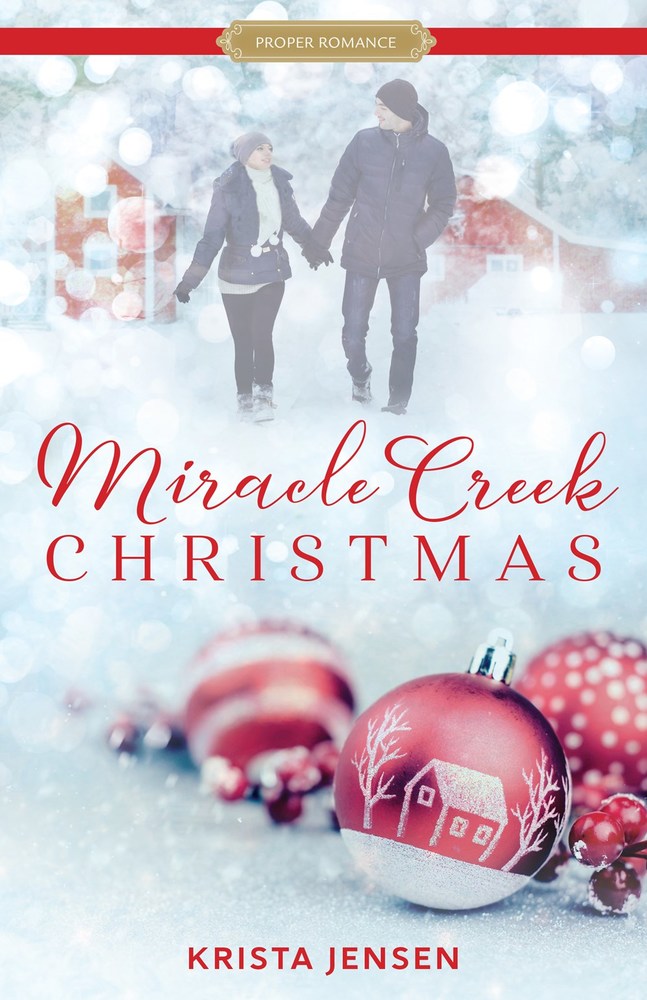
Miracle Creek Christmas, by Krista Jensen

In this modern proper romance a small town brings a wounded firefighter and a broken-hearted art teacher together.

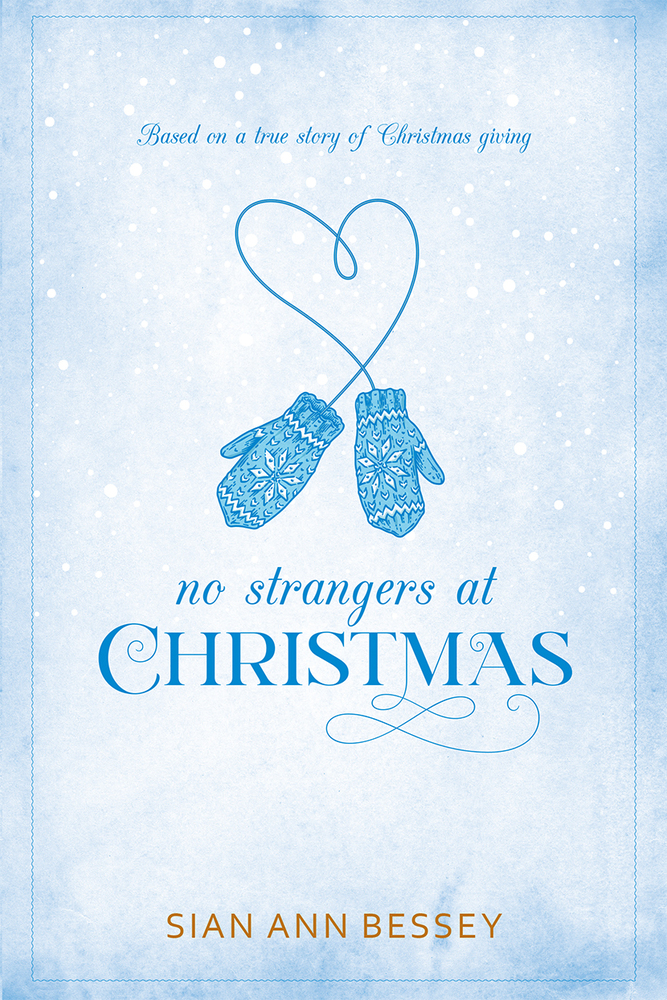
No Strangers at Christmas, by Sian Ann Bessey

Learn a story of giving and overcoming prejudice through this heartwarming novella about a group of strangers who arrive in a Welsh town in the dead of winter.

14 Fun Virtual Creative Writing Group Activities

Write a story collaboratively. I recently did this with my group for Halloween and it was a great success! One week before Halloween, we decided to write a ghost story collectively by opening a Google Doc and making a list of who would start the story, who would go second, third, etc. We each could write as much or as little as we wanted, but we had to make sure we all got it done by Halloween.

First Line Prompts. Basically, someone generates the first line for a story, like “It was a dark and stormy night.”, and everybody in the group writes a story including that first line.

Photo by Suzy Hazelwood on Pexels.com

Last Line Prompts. Like the first line prompt activity, someone generates a possible last line of a story, such as “She never went into that house ever again.”, and everybody in the group includes that line at the end of their story.

Weekly Draw: Poetry, Short Story, or Screenplay? Each person randomly selects (virtually) which type of writing they will pursue that week. Will they try their hand at a poem, a short story, or the first few pages of a screenplay?

Photo by Tatiana on Pexels.com

Picture Prompts. Each person selects a picture from a random collection provided by the initiator and writes a story, movie, or a poem using the picture as their topic.

Collective submission for recent calls for stories. Each person writes and submits something to the same publisher’s call for writing. This activity gives members of the group practice submitting their work for publication.

Photo by Karolina Grabowska on Pexels.com

Story-sharing. The initiator can set aside some time at the beginning or conclusion of the meeting where members can each share something they are writing or books they are currently reading. This is a good opportunity for people to get feedback for their writing as well as receive book recommendations to help inspire future writing. Reading is, after all, one of the best ways to become better writers (and vice versa).

Poetry Workshop: each person reads some poetry and then writes a free verse, haiku, sonnet, limerick, or a villanelle. This could be a good opportunity for those who are not very familiar with different forms/structures of poetry to learn different ways of writing it.

NaNoWriMo Workshop. This month a few members of my group are trying to write a certain amount a day so that their stories can be finished by the end of November. So far, we are communicating by giving feedback on their work via Google Doc comments and messaging. While this is a good opportunity for members to write, set deadlines, and strive to meet them, it’s also nice for those who are not necessarily in the mood to write to read others’ work and practice their editing skills.

Photo by Andrea Piacquadio on Pexels.com

Storyboarding. While this is ideal for helping screenwriters, who may use sticky notes with different scenes scribbled on them, find out where to put certain scenes in their film, this can work for stories as well. What comes first? Should the story start at the end? Or should it be told linearly?

A-Z Story. I did this once in a creative writing undergrad class. We were invited to tell a story starting each sentence with the next word in the alphabet. It was pretty instrumental in helping me to find different words to tell a story and it actually helped me to do what I was not very good at: finishing a story.

Photo by Andre Furtado on Pexels.com

POV Activity. Tell a well-known tale from the point of view of a character other than the protagonist. For example: the view of the Prince in Sleeping Beauty, through the eyes of Voldemort from Harry Potter, the inner monologue of Jane from Pride and Prejudice, etc.

Tense & Narration Switch Up. Give everybody the same prompt, but they each need to write it in a different tense (past, present, or future). This would also be fun if each person writes it from a different type of narration (such as first person, second person, or third person).

Photo by Francesco Ungaro on Pexels.com

Write a version of a popular story/fairytale in a different genre. For example, what if Snow White was a princess in a dystopian society? What if the tale of Dracula was a historical fiction story set during WWII?

For more ideas, visit the teacher resources page for Purdue’s website here.