Book Review: Clockwork Angel by Cassandra Clare

Rating: 4 out of 5.

I’m not one for popular fiction or fantasy for that matter, so my expectations for this book were pretty low, given that I abandoned the City of Bones series only a few chapters in. However, after someone from my book recommendations Facebook group recommended this one to me after I mentioned that I was looking for books with strong friendships, I decided to give it a go. This was one of those books that was a quick read (for over 400 pages), and I’ll admit it was better than I originally thought.

Summary

After Tessa Gray is tricked and imprisoned by two shadowy characters for her mysterious abilities, she is rescued by a strange young man with even stranger markings on his skin. She soon learns that he is a shadowhunter who protects humans from a world that she never knew existed full of vampires, demons, nephilim, warlocks, and shapeshifters. She finds herself caught up in a mysterious plot and realizes that her abilities may be the key to uncovering it and protecting her new-found family. Set in the Victorian era, this book is part of the Infernal Devices series, a prequel trilogy to the popular Mortal Instruments series.
Likes

  • Setting. I’m a sucker for books set in past eras, particularly the Victorian Era. I’m glad that this book had characters who were more genteel and proper rather than those who were more modern like in Mortal Instruments.
  • Protagonist. Compared to the previous series, Tessa seemed to have more of a complexity about her and there was enough mystery about her backstory to keep me interested. Plus she had unique enough abilities to make her a valuable asset to the story.
  • Strong friendships. For a teen book, I appreciated the maturity of the friendships throughout and the impacts they made toward the development of the plot. I like how the author made each character’s relationship unique to the protagonist.

Dislikes

  • A lot of action. This can be a plus for some readers, but I’m not a fan of reading action scenes; I’d rather watch them on the big screen.
  • Potential love triangle. This is what I always dread in teen fiction. When I say I love strong friendships in books, I mean friendships, not romances with every handsome character. While the friendships seem to be present and strong early-on in the series, I worry that the protagonist will eventually have to choose between “the bad-boy” and “the gentleman”.

As I continue through this series, I’m crossing my fingers that this story continues to be an engaging one with some strong friendships and likable characters!
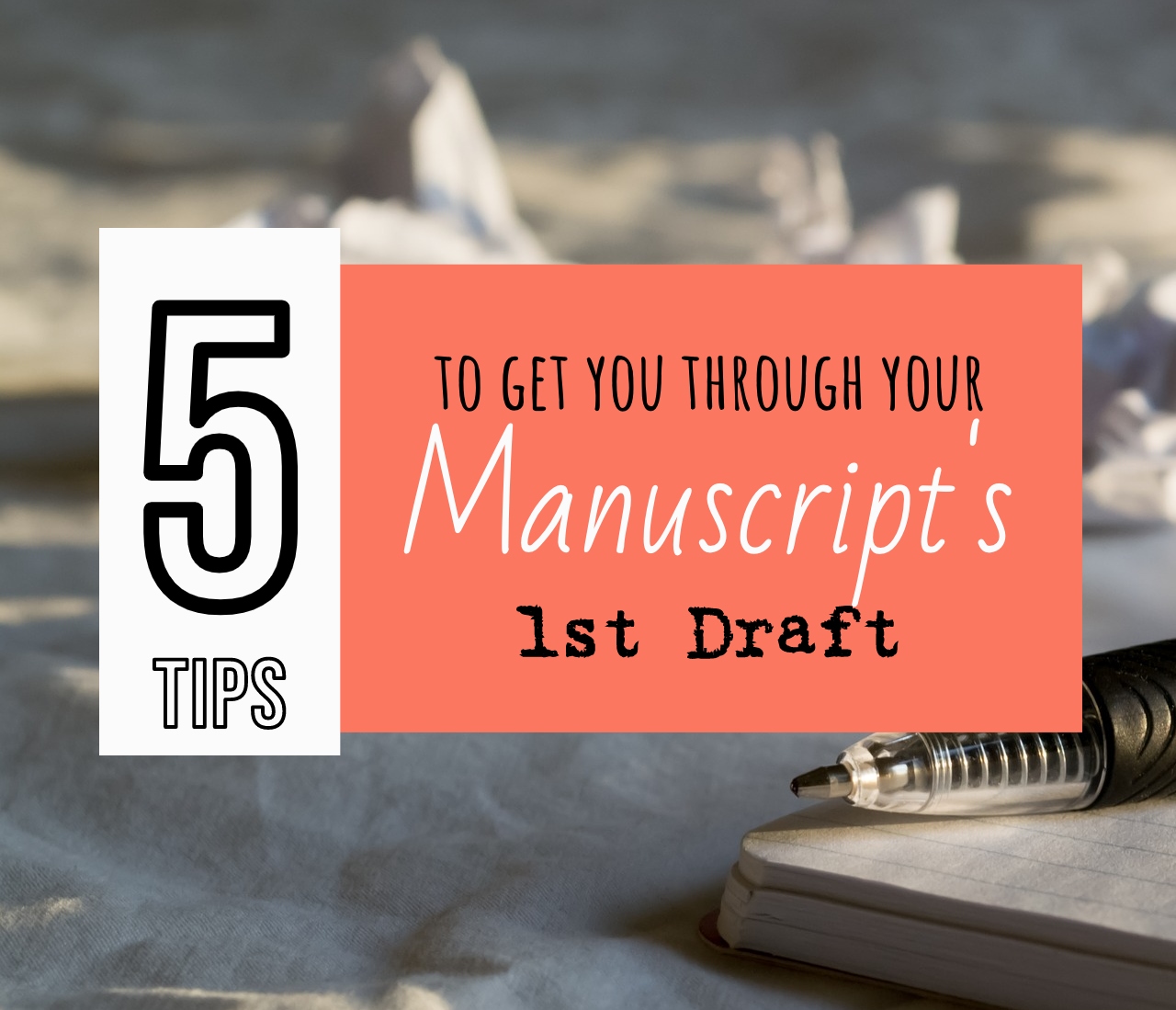

5 Tips to Get You through Your Manuscript’s 1st Draft

DO NOT edit as you go. This is perhaps the most time-consuming writing-preventer I’ve encountered when trying to write a manuscript. Rereading what you have written and making changes instead of writing the next part can be quite a hinderance to the progression of your story or novel, so please try to avoid editing until the end. Just try to write it all through first.

Photo by Andrea Piacquadio on Pexels.com

Read every day. Of course, this does not include the manuscript you are working on; when I say READ, I mean from an already published book, especially one from the genre in which you are writing. Doing so could help you develop fresh ideas about how to present your own story as well as inspire further ideas.

Photo by cottonbro on Pexels.com

Avoid mood-writing. Another hinderance to writing is resolving to write only “when I feel like it”. It’s nice to be able to write when the inspiration hits you, but try to develop the habit of writing even when you don’t feel like it. Sometimes ideas will just emerge onto the page that you didn’t even know where in your imagination until you start to write. To make this a regular occurrence, it would be wise to set a specific time each day to write.

Photo by Andrea Piacquadio on Pexels.com

Set deadlines. I once wrote an 8,000 word story in 2 days since the deadline for the submission window was quickly approaching. I’m not advising anybody to wait until the last minute (like I did), but I found that I became more diligent of a writer when I was working towards something.

Photo by Andrea Piacquadio on Pexels.com

Employ peer-reviewers. Share your story with others and ask for their feedback as readers. Being the only one with access to your manuscript can entrap you in your own biased bubble, so please try to expose it to fresh eyes…and be thick-skinned while doing so; don’t be one of those writers who takes criticism too harshly. To be a writer is to have your work criticized and using peer-reviewers early in your manuscript’s development could help you better prepare yourself for this reality.

Photo by cottonbro on Pexels.com

Book Review: The Passion of Dolssa by Julie Berry

Rating: 4 out of 5.

I came upon this audiobook by mere happenstance at a sale at my local library. 10 discs about a girl mystic hunted down by the friars of a medieval inquisition? Right up my alley. Medieval religious history is something that has always fascinated me as well as learning more about the martyrs of the reformation, so I hoped I had struck gold after reading the back of this new book.

Summary

It is dangerous for women to have visions of God in this age, and Dolssa knows this, but can she really remain silent about a loving God when so many fear the angry God preached from the pulpits? She has had visions of “her Beloved” ever since she could remember and now, she has gained a following. Soon, this following comes to the attention of the priests of Provensa and one priest will stop at nothing to see her burned as a heretic. Fearing for her life, Dolssa flees to a village where she meets a peasant girl named Botille, a local matchmaker, and her sisters, who learn Dolssa’s story and witness the miracles that surround her. Agreeing to hide her, the sisters soon learn who their true friends are and what they are willing to sacrifice for faith and friendship.

Photo by Thirdman on Pexels.com

Likes

  • Well-written. The author knew her history about the local culture and customs of the medieval era. I rarely come across books about medieval peasants, just nobility, so this was a breath of fresh air. I’m glad that I listened to this story versus read it, since Berry also used French words in place of other words like “sister”, “father”, “holy woman”, and even “what” or “yes”—to tell the story and I’m sure I would have gotten lost.
  • Non-smutty for a medieval story. It seems that all the stories I find nowadays set in medieval or renaissance times have gratuitous sex and vulgarity. I know that at the time, it was a short life from the cradle to the grave, so sex was a “commonality” among the simple medieval folk but come on…you don’t have to show us, I get it! Okay, rant done. The point is, I’m glad that the author did not focus on this as a main commonality in her story, she instead focused on other cultural aspects, like the vocations, the lifestyle, and the belief system of the common medieval folk of the story.
  • Multiple points of view. Berry put readers in the minds of main as well as side-characters through different processes, like interviews or meeting with the friars as they searched for Dolssa. This was a new way of storytelling that I thought effective, especially since the bulk of the story revolved around religious men interrogating others to find their run-away martyr. The audiobook also uses a variety of voice-actors for each viewpoint, which I think adds to the voice of each character well.
Photo by Svetlanaud83cudf9e on Pexels.com
  • Friendship as a key theme. FINALLY! A story where the main characters don’t fall in love. I was hoping the story between the two main characters would remain platonic (especially given the fact they are both girls and I feared a lesbian relationship would form, since that seems to be a running theme in popular culture nowadays), and luckily, they viewed each other as sisters instead of lovers. Strong friendships are shrinking in literature—everybody wants romance! (Okay, rant #2 done).
  • Author notes. Historical fiction novels always need these in my opinion, since some of the author’s interpretations of history could get confused with real history. This is the author’s way of sort of offering a disclaimer regarding what was researched versus what was not for their novels.

Dislikes

  • The way Dolssa was portrayed. She seemed more like a damsel in distress than I would have liked. Also, I understand that some mystics during this time viewed their relationship with Christ in a romantic kind of way, but that disturbed me, since I always viewed Christ as a brother to humankind…not a husband like nuns and other mystics of the era believed. Consequently, this view of Christ wasn’t too detailed, which I was grateful for; it left things open to interpretation.
  • The ending. There were about three different endings, and I failed to see how they all connected to one another. The first two, I could sort of see the ties, but the last one threw me for a loop and had me asking more questions: Who was the old woman locked in the dungeon? Why was it important that the boy she spoke to deliver her message? Who was the person she was delivering this message to? What did these people have to do with the story we just read?

Overall, I’m happy I now get to add a medieval novel to my list of read books that is a worthwhile read and I recommend it to readers of historical fiction, especially those who enjoy medieval history.

Book Review: The Girl in the Locked Room

Rating: 4.5 out of 5.

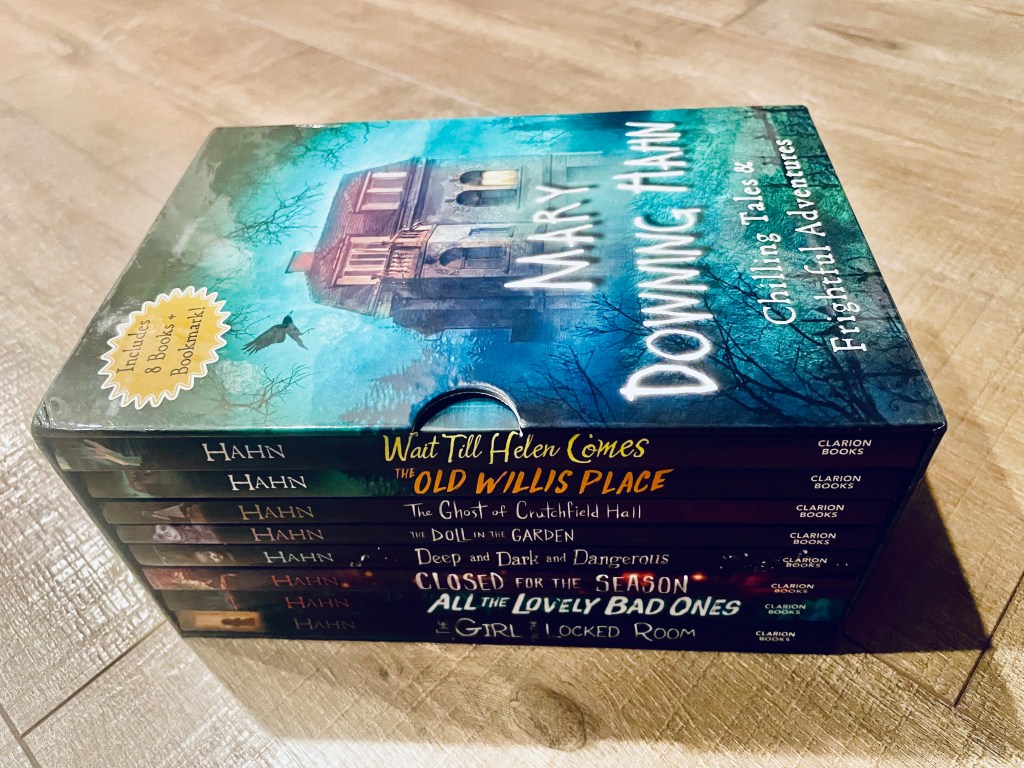
Book #1 in Mary Downing Hahn’s “Chilling Tales & Frightful Adventures” Collection

It’s time to start the first book of my recent Costco investment, which is a collection of my favorite ghost-story children’s author’s ghost stories! I’ve only read one of Mary Downing Hahn’s ghost stories before, so I’m excited to delve into the rest of her books. I think I can relate to this story more than I’d care to admit (since I am, in essence, a girl in a locked room, writing and working from home), but this story was a nice way to start off Hahn’s collection of “Chilling Tales & Frightful Adventures”. Let’s take a closer look!
Summary

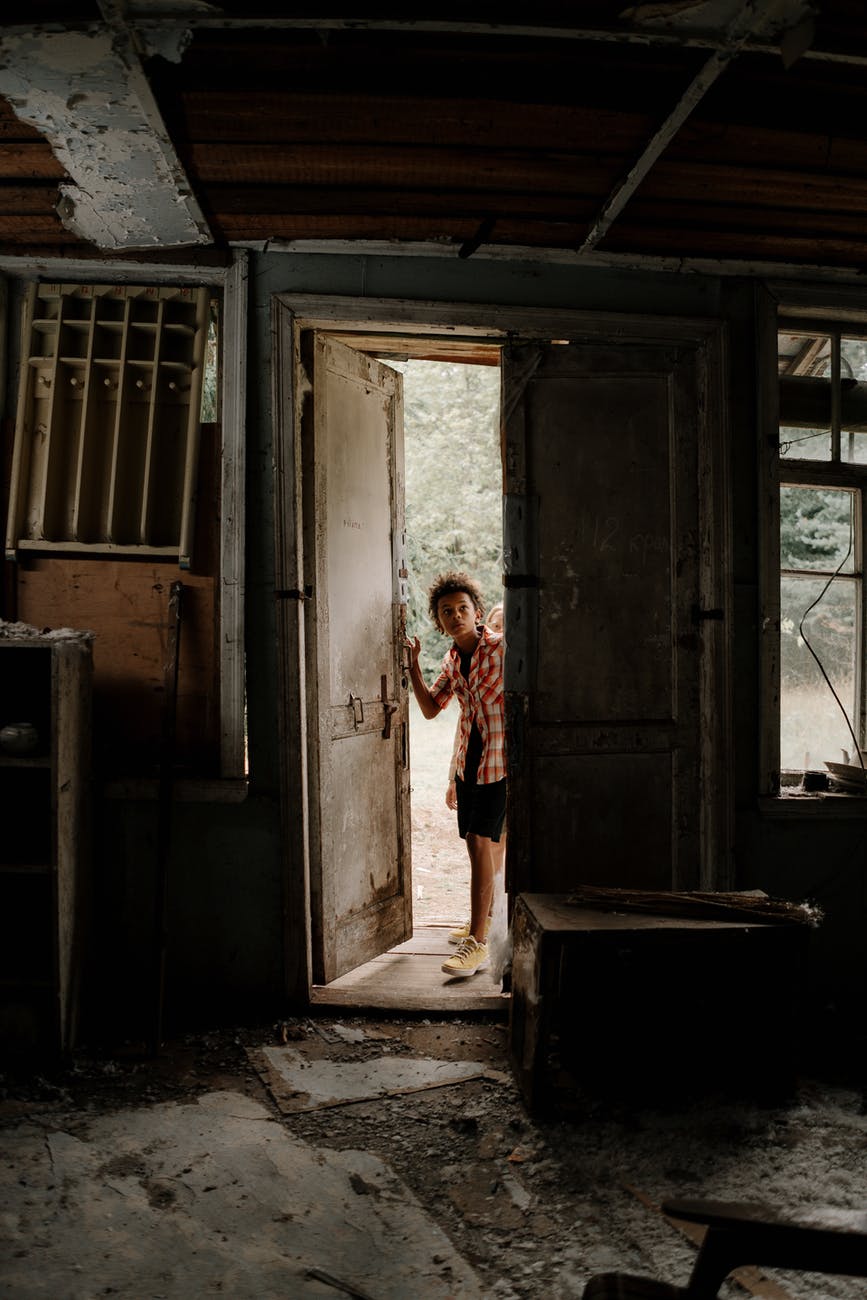
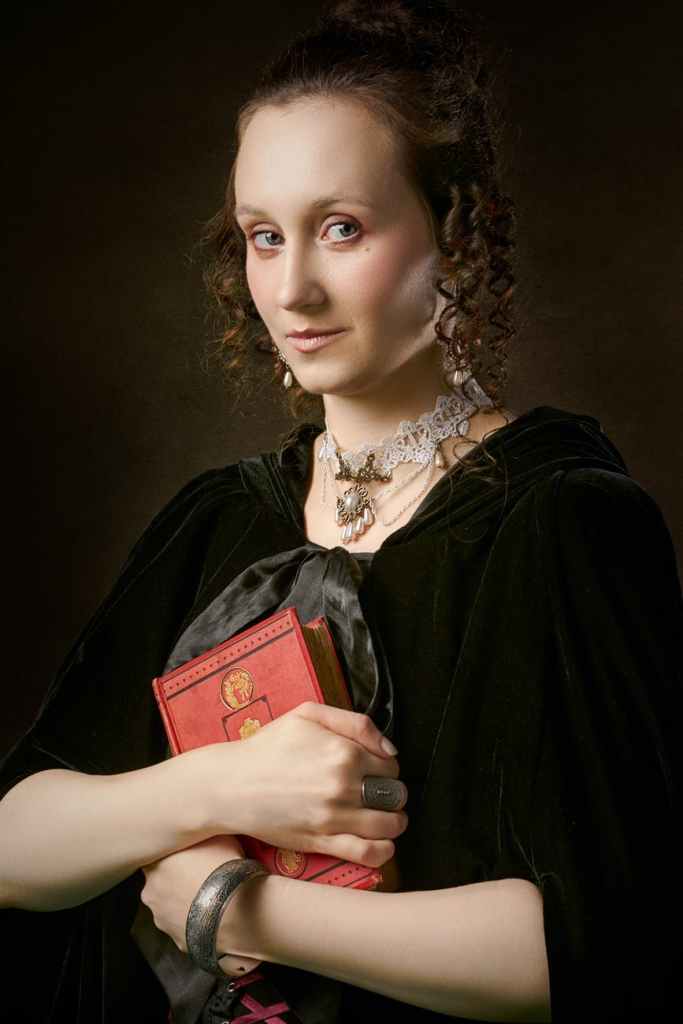
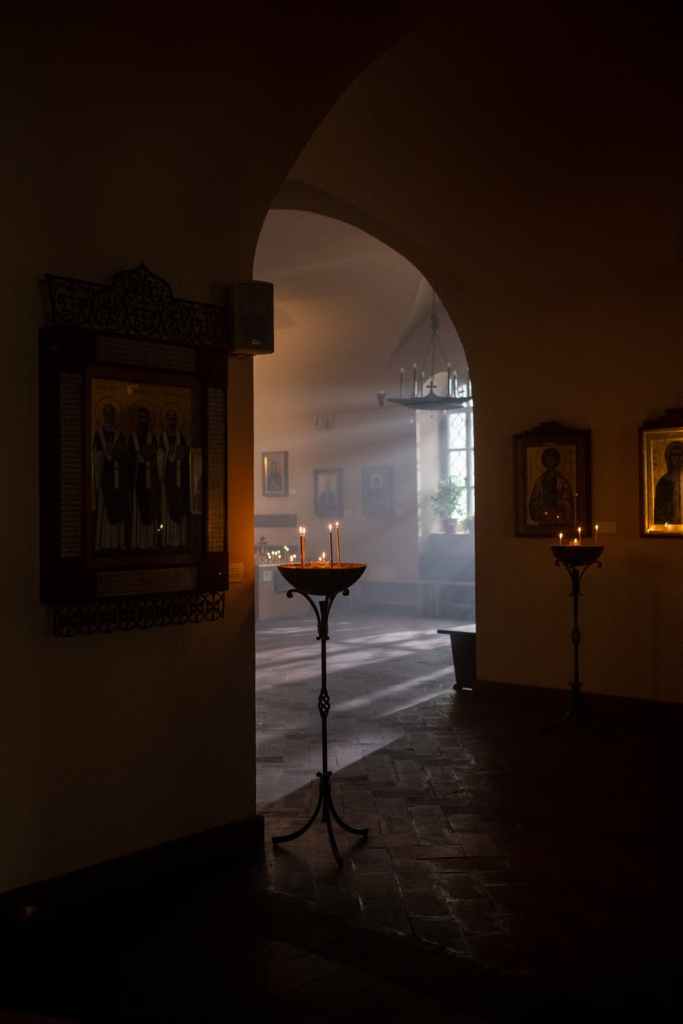
Tired of her parents dragging her around the country to restore old houses, Jules hopes that soon they’ll be able to settle down and have a permanent home. However, something seems eerie about this one. She keeps feeling like someone is watching her from the upstairs window and occasionally sees a blonde girl near the field on the estate. Determined to find out exactly what—or who—resides upstairs, Jules soon discovers the story behind the old house and wonders if she can help change the dreadful fate of those who once lived there.

Lily can’t remember when she last went outside, or how long she has been locked in this room, or even why she was locked in in the first place. While what she sees out the window seems to change each minute, every night is the same: men on horseback riding to her house and searching it for her. Luckily, they never find her hiding spot. Lily hopes they never will. Soon, she starts to see a dark-haired girl walking the property of her home and wonders if she will be the one to help her escape this room and tell her why she has been trapped here for so long…

Photo by Moreno Matkovic on Pexels.com

Likes:

  • Shift in perspectives. I liked that Hahn switched points of view in each chapter, between the ghost and the protagonist; it helped give the ghost of the story a voice, which I think is important in any ghost tale.
  • Setting. I always like to watch old homes get restored and stories taking place in older parts of the country, so Virginia seemed like a good place for this story to take root. As the protagonist discovers more about her surroundings, so do we as the readers.
  • Book art. The cover picture and the back cover picture were just stunning and drew me in from the start.

Dislikes:

  • The parents. I think that a lot of authors fall into the trap of making the parents of children’s books unlikeable. It’s not their fault, since children usually can’t relate very well to the skepticism of adults, but I found the fact that neither parent, one who was a historian and the other an author, wanted to find out about the history of the house a little out-of-character for them in this story.
  • Confusion at the ending. I don’t want to spoil anything, but what they discovered (or didn’t discover) on the third floor made me wonder about the logic of the ghost story (if there is any logic in a ghost story).

Author

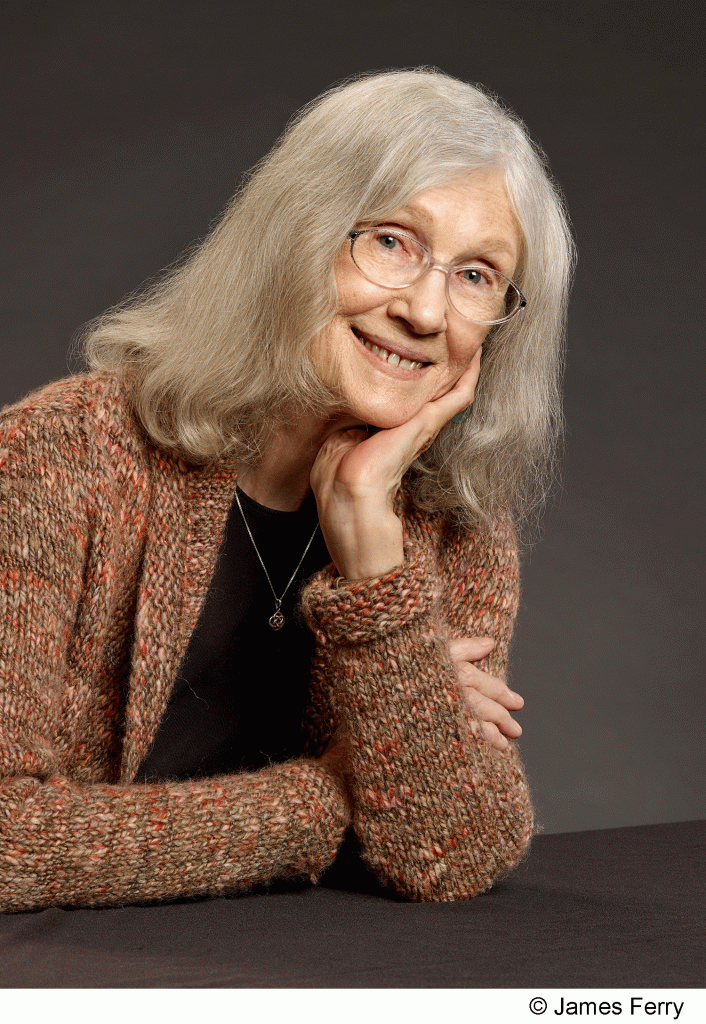
Mary Downing Hahn is a very gifted storyteller. I was curious to see how she would make this ghost story different from the other one of hers I read and loved as a child, Wait Till Helen Comes, and was not disappointed. One would think that it’d be hard to find different premises for a ghost story and different ways to tell the tale, but I’m curious to see how different the other book in her collection are compared to these two.

It’s 2 for 2 so far!

10 Story-Prompt Lines to Get You Started on Your Next Story

Sometimes I need a little push of inspiration before beginning or continuing any short story. Brainstorming a line or two that I want in the story sometimes does the trick.

What line should the story begin with? What line should the story revolve around? Which sentence should complete the story or leave it on a cliff-hanger? If this is something you struggle with too, take this challenge to use one or two (or all) of these lines somewhere in your story:

1. “She slowly opened the door, but what she saw on the other side made her stop.”

2. “He had never seen anything like this before.”

3. “Wendy knew that she was different, but she didn’t realize she was that different.”

4. “David blew past her and tackled the monster in a sudden rage.”

5. “So many people…if only they knew.”

6. “She held her tongue, already knowing the outcome; it was better that she remained silent.”

7. “My heart pounded faster against my chest as I approached it.”

8. “All he knew was that he would never see her again.”

9. “We all have heard the tale, but do we know the whole story?”

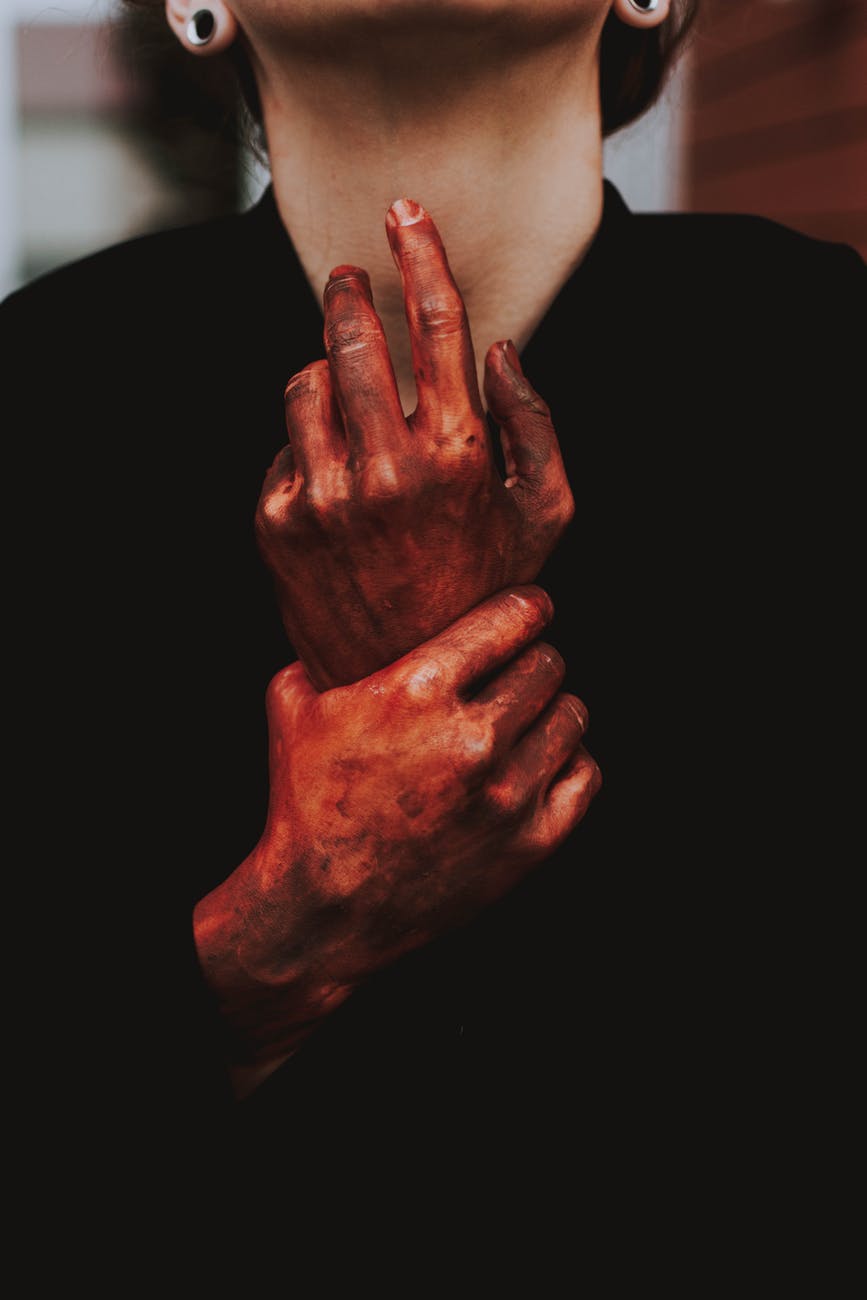
10. “A wave of shock swept over her as she observed the crimson stains on her own hands.”

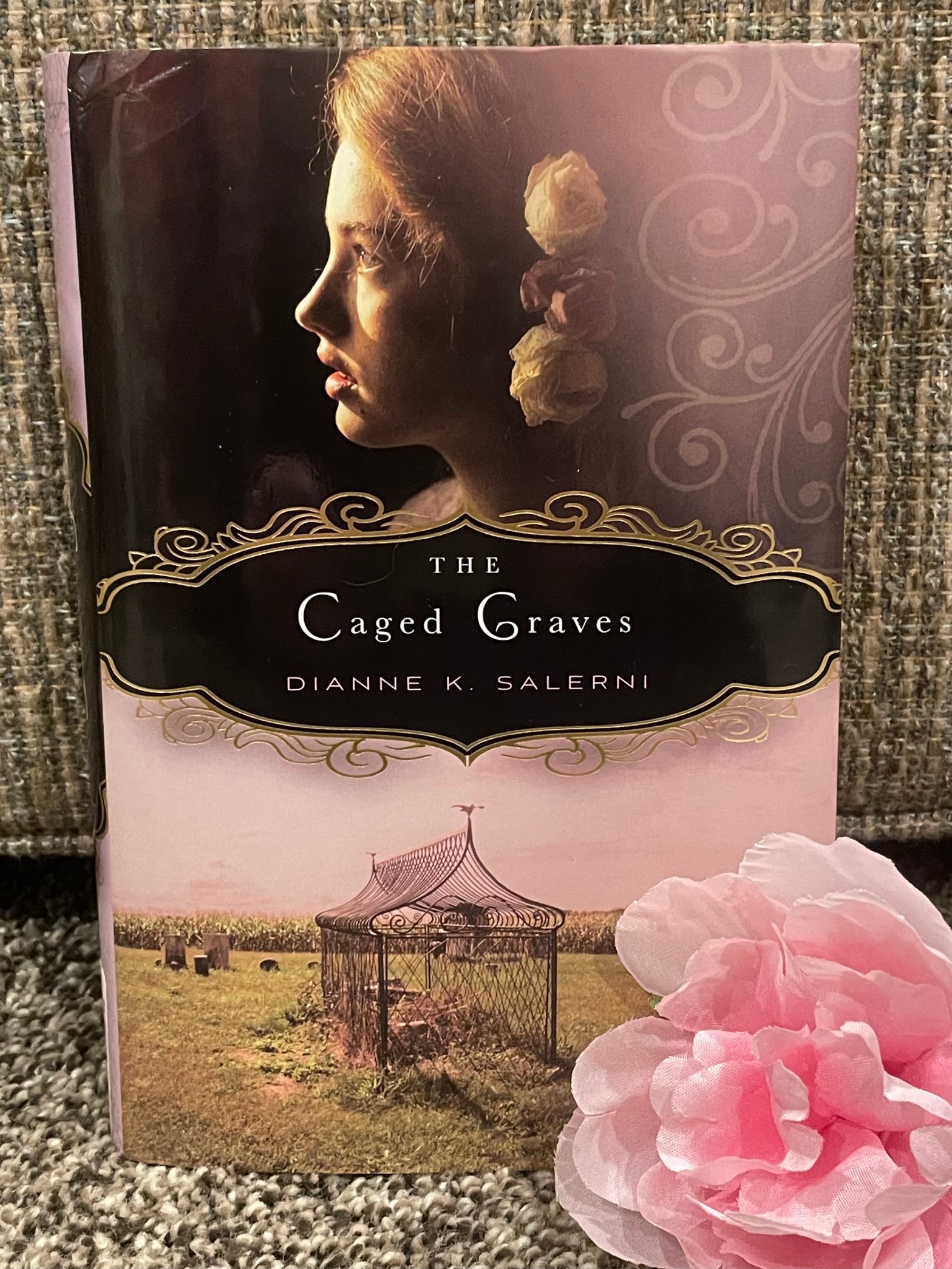
Book Review: The Caged Graves by Dianne K. Salerni

Rating: 5 out of 5.

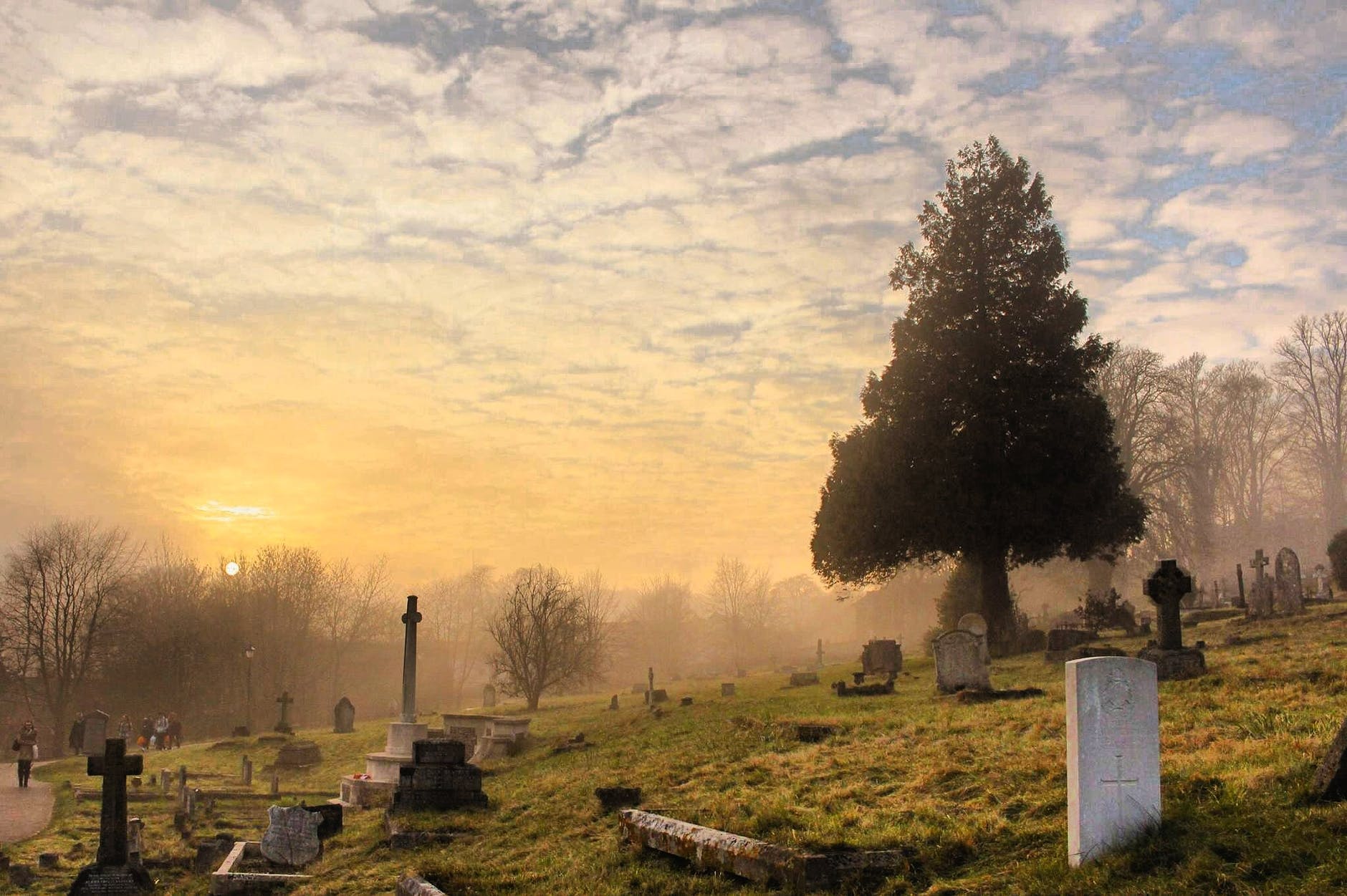
What a fantastic read! It’s such a relief to find a work of historical fiction that has the perfect blend of mystery, strong characters, true historical facts, a love-triangle—of course, and just the right amount of imagination to fill the gaps left by history. It contained one of my favorite historical elements—graves—that were based on the mystery surrounding two caged graves in Catawissa, PA.

Summary

This story takes place in the 19th century and surrounds a young woman named Verity who, after years away, returns to her hometown after her father arranges a marriage for her with Catawissa’s most eligible bachelor, Nate. However, after their disastrous first meeting, she soon uncovers the grave of her mother and aunt, both of which are surrounded by cages. Verity soon resolves to discover the mystery surrounding the scandal the town has whispered about ever since her departure. Why are these graves here? Why did her father do nothing to stop it? How is Nate involved? What did her mother do to deserve such ridicule?

Strengths

  • Length. The story ended when it was supposed to; didn’t drag out or cut short.
  • Characters. Verity, her family, and her love interest(s) all had dimension to them, and they each had their weaknesses and strengths exposed.
  • Unpredictability. Which man will Verity choose to love? Who is the real villain of the story? What’s the mystery surrounding the graves? Just when I think I’m close to the answers, I’m hoodwinked, and I love that!
  • Cover. Not to mention the beautiful cover art!
  • Author Note. Along with a brief history about the graves and the town where they came from, in the author flap Salerni includes a picture of herself at the actual graves she has written about. I think it’s neat she has shown her personal interest in the story in picture form.
Photo credit: Robert Salerni; found at https://missprint.wordpress.com/2013/
06/24/author-interview-dianne-k-salerni/

Weaknesses

  • (None!) I had to think very hard about this one, but I think if the author included more history within the story about the historical context of the age, then I could have connected with the period a bit better (yes, it was after a war, but which war?).

I’m glad the author used for the story the real names on the actual gravestones and, though limited, used what history does tell us about these mysterious caged graves to make up the story that the world does not yet know about them. I recommend this book to all historical fiction lovers and all ages!

Book Review: The Daughters of Temperance Hobbs by Katherine Howe

Rating: 4 out of 5.

It’s hard to make a sequel at good as the original, and this one, though engaging, fell a tad shorter than its predecessor, The Physick Book of Deliverance Dane. Let’s take a look!

This book delved more into the magical history of Connie’s family. This time, while nearly cracking under the pressure of pursuing tenure at the university where she works, Connie debates whether she should make the commitment to marry Sam, knowing that horrible fates have awaited the husbands of her women ancestors. The book weaves in and out of the different stories of Connie’s ancestors as she races against the clock to find a remedy that will save Sam…whatever the cost.

Photo by RODNAE Productions on Pexels.com

Strengths

  • Weaves history with fantasy. Historical Fantasy is my favorite combo-genre. I learned a lot more about herbs than I had, as well as the folklore that surrounded the actual historical evidence of cunning-folk.
  • “Magic comes at a cost” theme. This was done in a way that tested the protagonist in how far she would go to save those she loved.
  • Which “witch”? This story leaned more on the “wise woman” definition of witches rather than the “deal with the devil” definition that some books lean on for their characters like in The Witch’s Daughter (that one gave me the willies due to that).

Weaknesses

  • Pacing. It took me a while to get into the book due to the slow-moving beginning that, while necessary in introducing us to a new protagonist, mainly talks about the scholastic challenges Connie faces. I’m always a fan of the “scholar protagonist”, but it lagged a bit at times.
  • An unjust death. Animal-lovers like myself who read this book will know exactly who I’m talking about.
  • Who’s the antagonist? The villain of the story wasn’t quite clear to me. I think the author wanted the mysterious forces against the protagonist to be the antagonist of the story which worked out okay, but it was executed a bit shallowly.

This book wrapped up Connie’s story of her family legacy well and I think it was a fitting conclusion to a unique and intriguing story about a family of witches. I would recommend this story to those interested in colonial history and the history of witches. However, I think that this novel’s predecessor The Physick Book of Deliverance Dane is a good enough book that it can stand alone without a sequel.

9 Reading Invitations/Challenges for 2022

Of the many goals that you all probably have for this year, I invite you readers to squeeze in some goals that revolve around the books. I’ve suggested some for you below. Take a look!

Focus on the quality of stories instead of the quantity. I’ve found, especially in the reading communities, that people are focusing a great deal on how many books they should read for the year, how many they can read in a week, etc. While I’m all for setting reading goals and I know that reading many books is important for book-bloggers like myself, I find that worrying about how many books I can read sort of sucks the joy out of whichever story I am reading at the time.

Photo by Pixabay on Pexels.com

Read books where you learn something. This can be done with primary sources, articles, and nonfiction. It can also be constructive when the books you read (fiction or otherwise) include resources at the end that shows the research that the authors put into their stories. This is another way you can research the topic further for yourselves.

Find the best books. If you aren’t liking a book you are reading, do not feel obligated to finish it. You’d be taking time away from getting acquainted with a book that could become a good friend to you instead. Seek for opportunities to find books that inspire you: those that show the dichotomy between good vs. evil, humanity at its best and worst, or ones that inspire you to write your own stories.

Photo by Andrea Piacquadio on Pexels.com

Branch out of your preferred genre. Being the historical fiction nut I am, I plan to read a lot more of my preferred genre, but I hope to try more of the genres I may have trouble getting into, like fantasy. Reach out on Facebook or other social media groups for some recommendations if you are unfamiliar with a certain genre or don’t know where to find books in another genre.

Rent books more often than buying them. I have found that some books I buy from thrift shops on a whim (and I did this a lot last year) aren’t as good as I thought and then I’m stuck with them. When you rent books from the library or on a library app, you may find that you can avoid this problem through renting a couple of books simultaneously and if you do end up dropping one, then you may return it and have another to work on.

Photo by Maarten van den Heuvel on Pexels.com

Give away/sell the books that no longer hold any value to you. This leads me to my next challenge, which could not only help you declutter your life, but also let go of the books that you do not enjoy and make room for the ones you do love. This can also be a chance to share with others books that you liked and think that they would like too (a good option for duplicates too).

Keep a reading journal or annotate your books. You can fill these journals with your favorite quotes, characters, and personal revelations you get from the stories you read. While marking books up may cause some of you to squirm, it may also be a good idea to take notes directly in the book you are reading (whether it is a hard copy or a book app).

Photo by cottonbro on Pexels.com

Read more children’s literature. C.S. Lewis said, “A children’s story that can only be enjoyed by children is not a good children’s story in the slightest.” Children’s literature brings out the best themes, characters, and plots of humanity and sometimes teaches the best lessons. As adults, why not be reminded of this from time to time?

Learn more about the authors you read. Learning about the historical context and the lives of the authors of the literature you read could help you understand the context of the literature itself.

I hope that some of these ideas will help you meet your reading goals for 2022.

Happy Reading, everybody!

Book Review: The Devil’s Slave by Tracy Borman

Rating: 3.5 out of 5.

Following the tragedy that resulted from the gunpowder plot, Francis once again finds herself in the dangerous Stuart court. This time, Catholic forces seek to dethrone the king’s son and heir and put his daughter on the throne instead. Francis finds herself blackmailed to ensure she plays her part in the coup. Can she use her skills—the ones that once condemned her as a witch—to protect her husband and child from the forces that threaten them and her own life?

Tracy Borman sure does her homework in these books. Since I know more about the Tudors rather than Stuart history, I learned a lot about the history of the era and who played key roles in the conspiracies to remove Protestants from the throne in this turbulent time.

While the plot to this story was fresh with historical accuracies, I found it running rather slowly at times in the build-up to historical events (which is what I personally look forward to in historical novels). I could kind of tell which parts were invented and which were real, which I don’t like experiencing in historical fiction…I instead like asking the question in response to these events: “Did that really happen?”

There was also not as much witch-hysteria present as in the first book. The fear that Francis experienced was there, but there were not as many events surrounding that fear like I had expected this novel to contain.

As far as sequels go, it was okay…but I think I liked the first novel in this series better because it held more fear amidst the historical backdrop of the time rather than the protagonists’ thought process, which I think was more apparent in this one. Reading the thought-processes of characters are helpful in novels, but I feel that this one sort of crossed the line at times between being informative and info-dumping.

Overall, I think this novel was a helpful addition to the series and it set up the story well for the next novel, which makes me curious about how Borman plans to wrap up the series.

5 Christmas Book-Giving Traditions

I was surprised at the scarcity of websites or links that describe book traditions that occur on Christmas when I scoured the internet for some ideas for this post. I found a couple, but below I have suggested a few more traditions that may help your friends and family get into a reading and possibly writing mood this Christmas season.

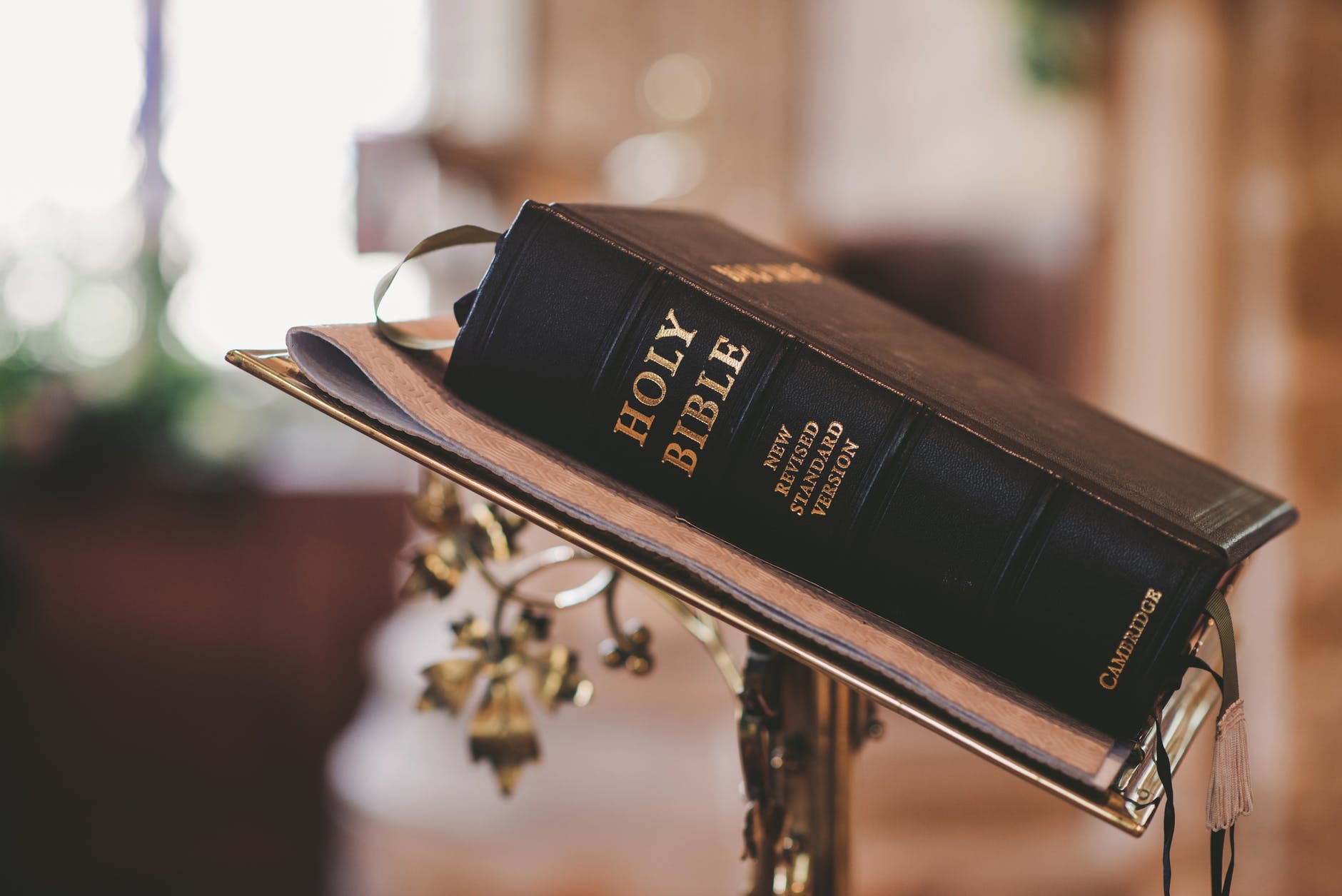
1. Read the Nativity Story from the Bible.

This is perhaps the most obvious—and the most important—way to remind your family about the importance of record-keeping and the written word, but what better way to remind them about the true meaning of Christmas than form the primary source?

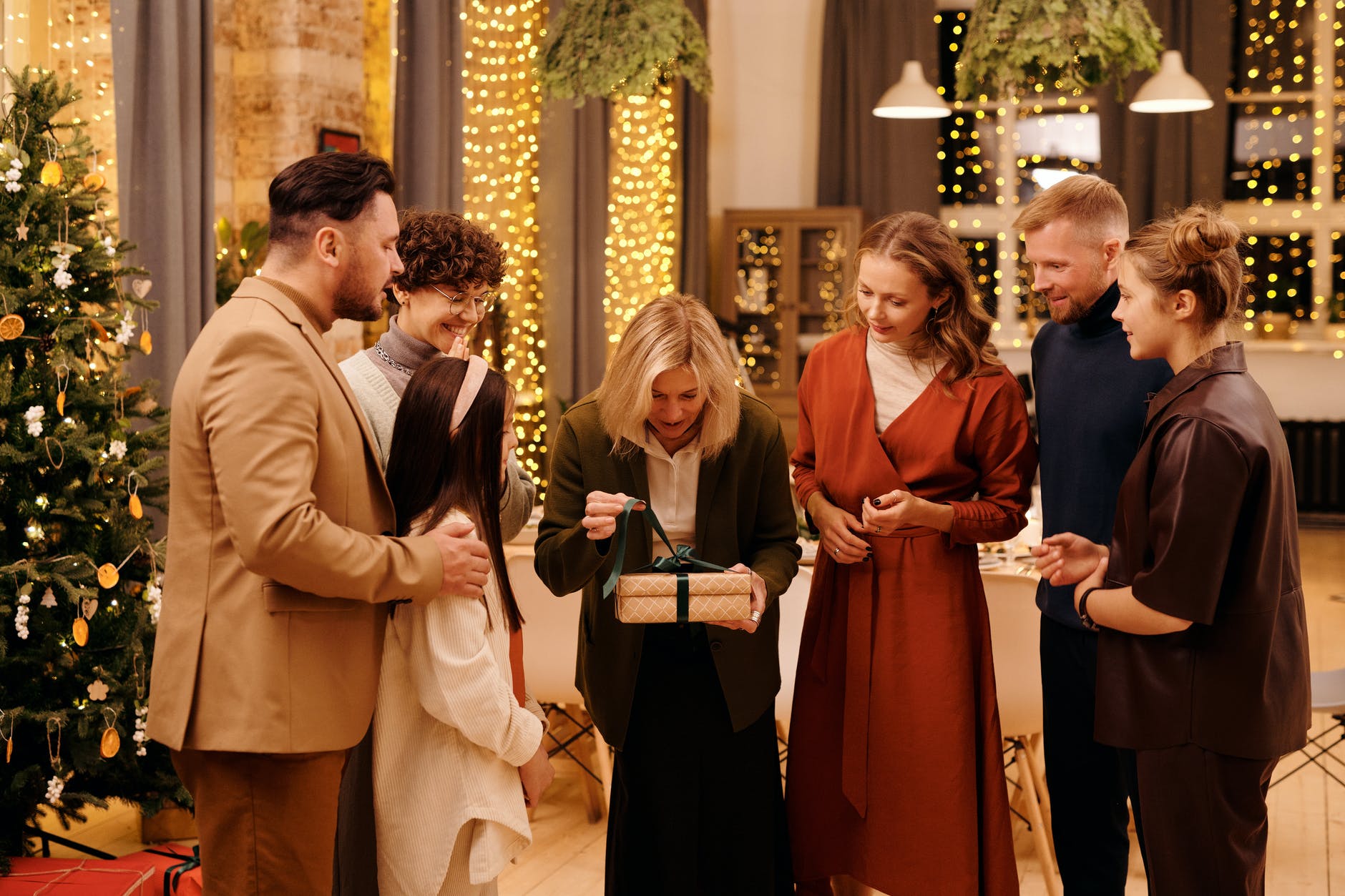
2. “Jolabokaflod” – The “Christmas Book Flood”

In Iceland, there is a tradition where family and friends give their loved ones wrapped books for Christmas and then read with them on Christmas Eve. I personally think it’s high-time America adopts this tradition, don’t you?

3. Read aloud Dickens’ A Christmas Carol.

I’ve seen this tradition done before, but I wonder how many people actually do this. At any rate, it seems like a nice idea to remind people about the classic stories and traditions of the Victorian Christmas (a time that introduced people to the famous Christmas traditions that many people still practice today).

4. White Elephant Book Exchange

I was saddened that I didn’t get the chance to participate in a White Elephant gift party this Christmas (usually my church puts one on), but what a neat idea to have a book-themed one!

5. Christmas Eve bookstore or library trip.

I’m going off the Icelandic tradition with this one, but I thought that it would be fun to go with friends or family, or both, to a bookstore or a library and pick one book to read on Christmas Eve, or Christmas Eve-Eve (depending on when they are open).

Hopefully, you have had the chance or will have the chance to share the written word with your loved ones this Christmas or next season! Happy Reading this Christmas and New Year!