I haven’t been the most productive reader these last few months of the year, so I hope to make some realistic goals that will help me become a steadier reader this year.
Try to finish 1 book/month. This is usually an attainable goal; I just have to be consistent at it!
Write more often. Usually reading helps me write better and I think the same can be said about writing. I believe that writing more helps readers become more imaginative pertaining to the worlds and stories they read about, which could help a reader get more out of what they are reading.
Read more books from my bookshelf. I have SO many books that I have accumulated over the past couple of years from bookshops, thrift stores, online bookstores, and garage sales so it is high time that I crack into more of what is already on my shelf instead of relying on the public library for new reads.
Read more Historical Fiction. This is my favorite genre, so why do I not read as much of it as I do other genres? Perhaps I am too picky about how other authors write? Am I biased in what I desire to read versus the books I find?
Read more Non-Fiction. As much as I love fictional stories, it would be nice to learn about the facts about the time periods I read about in my fictional stories or what I desire to research for my own stories.
So, there we have it! A short, sweet, and to-the-point (as all writing should be) list of how I can improve my reading this year. What are some of your writing or reading goals for 2023?
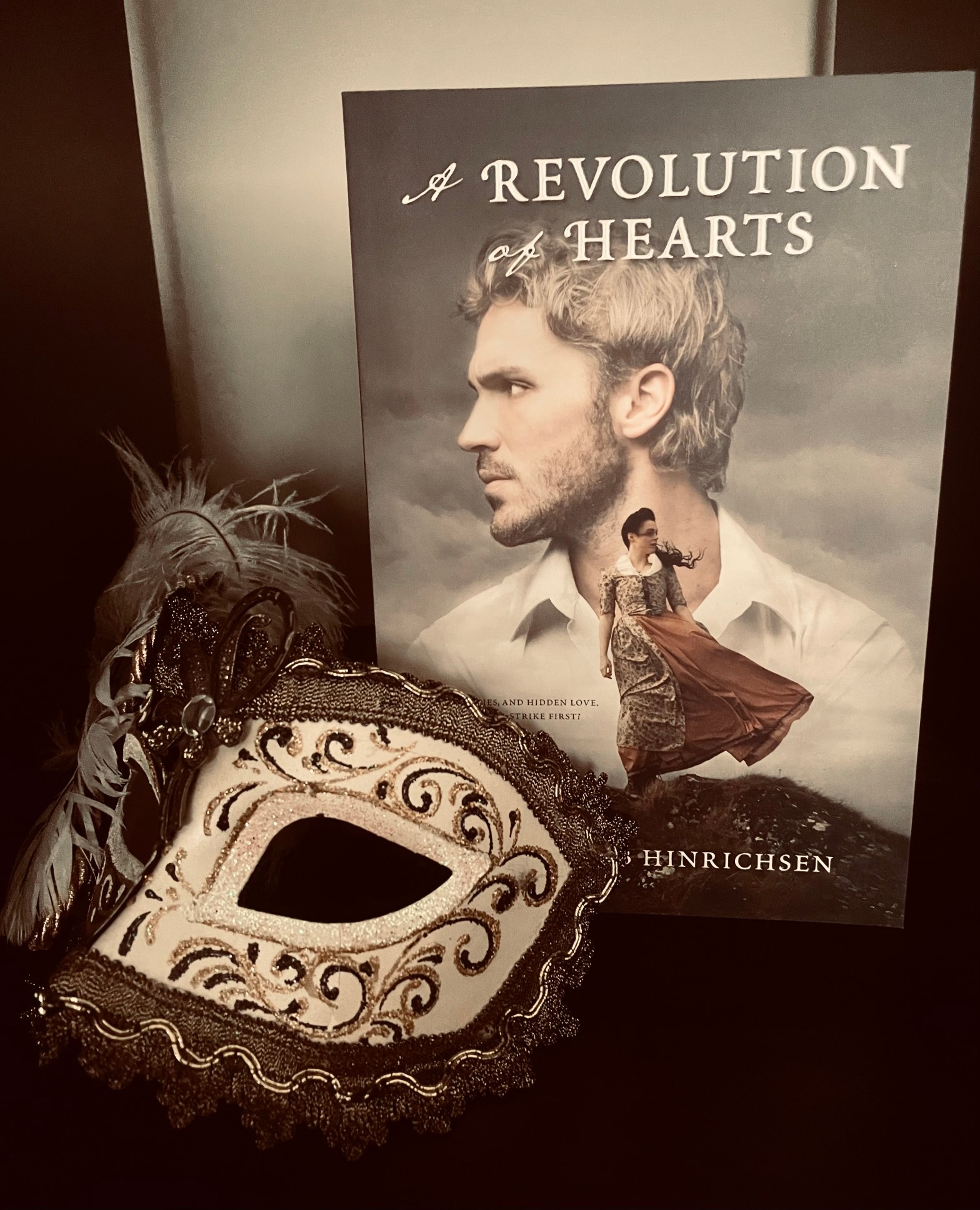
This was a gem among the crime novels that I have seen at Deseret Book, mainly because it also had elements of historical fiction—a genre that I treasure.
Summary
Flight attendant Skye struggles to come to grips with her aunt’s sudden disappearance after she herself is rescued by a handsome Scottish stranger. However, after discovering an ancient document in a lockbox that her aunt had left her, Skye finds herself on the run from a hoard of shady characters who seek what is now in her possession. Now with the help of her Scottish hero and professor friend, she must race against the clock to find the two other missing pages of this ancient tome so that she can save her aunt before it is too late. As she does so, she discovers her heritage may be connected to this centuries-old mystery.
Likes
Genre. Historical Fiction has always been by bread and butter of the literary world, and this author blends both history and fiction very well in this tale. A lot of the time, historical fiction puts you right in the center of the time-period, but this one stays in modern time for most of the story and does so while still being able to show the history in a non-boring or distant way.
Setting. I enjoyed following the characters to famous medieval landmarks, some of which I have had pleasure of visiting myself, so it was a nice callback to those places. Medieval history is something that I have a particular interest in, so it was neat that the characters got to see and learn about specific landmarks while in a high-stake battle.
Love interest. Who isn’t attracted to a foreign love interest? Not only is he handsome, but he seems to have his head on straight, which always helps the protagonist look good. I would have liked a little more of his backstory, though.
Dislikes
I would have liked more of a backstory to the historical mystery surrounding the main character. I wasn’t a fan of how out-of-the-loop she was because it made me feel out of the loop.
Conclusion
I enjoyed this story more than I thought I would since I seem to have a lot of connections to the story: I appreciate a historical plot, I too have a Scottish heritage, I have a family member who is a flight attendant, the protagonist is around my age, and I am a sucker for love-interests with accents! I have never read anything else by this author, but this book has made me interested to see what other books she has written.
Deseret Book sells far more thrillers than I would expect from a church bookstore, but each one I’ve read, I haven’t been disappointed. This one is no exception. It’s nice to read a genre that I like without the sex, swearing, and gratuitous violence that sometimes almost always seems to accompany the genre. Not to mention it’s nice to read one that leaves the reader feeling somewhat resolved versus reasonably unsettled like so many thrillers often do.
Summary
Natalie Marsh has had her fair share of murder mysteries but none that come as close to home as this one. After visiting her cousin, who is a nurse at a secluded mountain getaway called “The Keep”, Natalie finds herself caught up in a mystery surrounding the death of The Keep’s owner Henry, which is soon followed by the disappearance of another staff member, the growing insanity of his son, and an additional murder. Weaving through all the possible reason she can of the insanity, jealousy, and revenge that surround this strange family, Natalie uses her skills as a psychologist to vindicate her cousin, who is somehow framed for the murders, and unmask the true killer before it’s too late.
Plot. The author knows the thriller genre and writes it well, weaving the bits and pieces of clues that have sprung up throughout the story and weaving them together (instead of just info-dumping when it seemed integral to the story like so many other thrillers do).
Characters. Each character underwent some sort of development or there were certain revelations presented to the reader about each character. This was quite refreshing to witness since there were quite a few different characters.
Weaknesses
Protagonist’s backstory. Of course, this one is my own fault; little did I know that this novel is book #3 in a series. I’m sure Black describes Natalie and the development of her character more in the series’ prior books.
Overall, I enjoyed this book and will do myself a favor and read the prior books to I can get the whole story of Natalie Marsh’s character and what her full story is in this series.
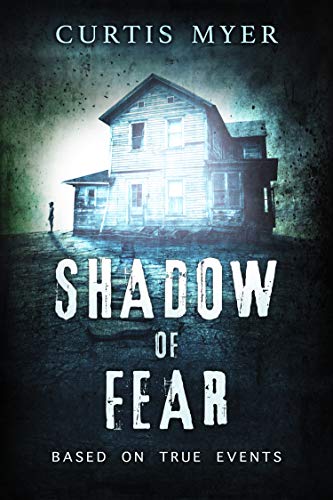
I don’t know why I haven’t started with this one yet, I guess it’s because I have high expectations and I don’t want to be disappointed. Apparently, it’s a true ghost story that was experienced and written by someone that one of my friends knows from my church. This has been on my shelf for a while now, so I’m finally planning on delving into it.
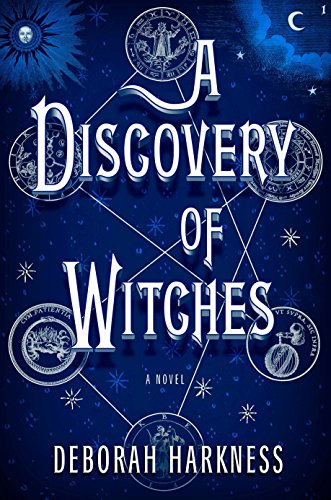
A Discovery of Witches by Deborah Harkness
This one is mainly on my “Need to Finish” list, since I want to start the AMC+ series about it, but I wanted to see how it compares as an adaptation. However, I’ve been stuck in the same spot since last year, so hopefully, the story will pick up soon so I can finish.
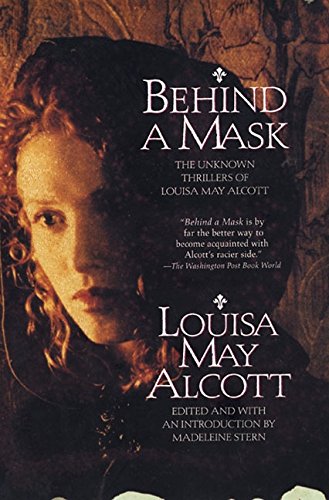
Behind A Mask: The Unknown Thrillers of Louisa May Alcott
I found this book on accident when I was looking for a book with the same title about one of King Henry VIII’s wives, Jane Seymour. My first response was “the author of Little Women (a story which I love, by the way) wrote thrillers?” and I realized I had to check this out!
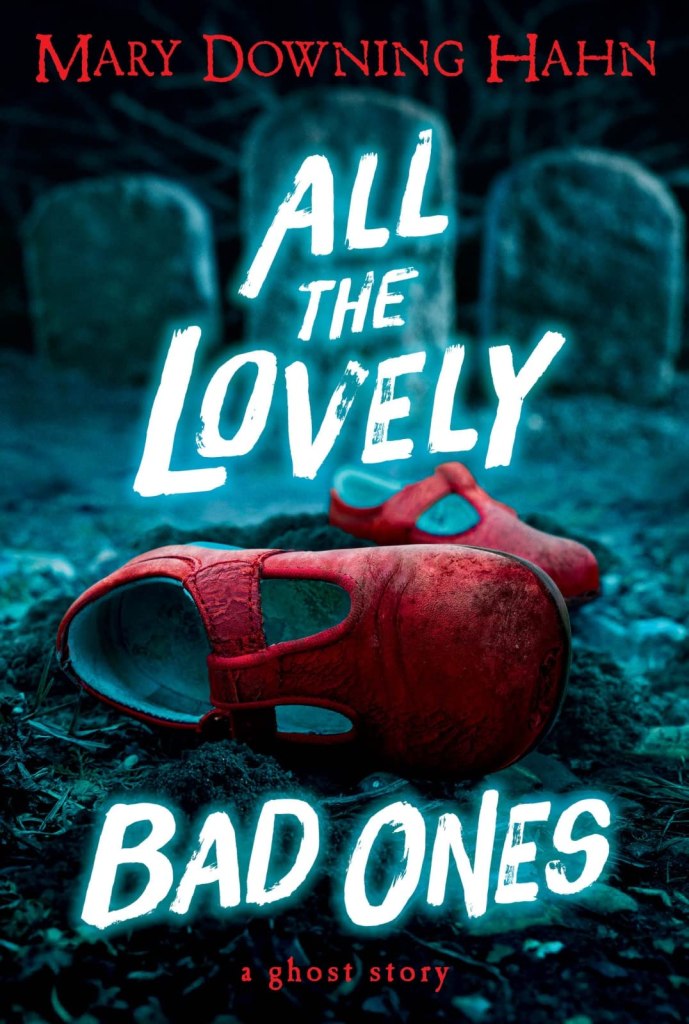
All the Lovely Bad Ones: A Ghost Story by Mary Downing Hahn
This is the next book in my collection of Mary Downing Hahn books I got from Costco last Christmas. I don’t know much about it, but if it’s anything like Wait Till Helen Comes or The Girl in the Locked Room, I’ll probably end up liking it. …I hope I’m right!
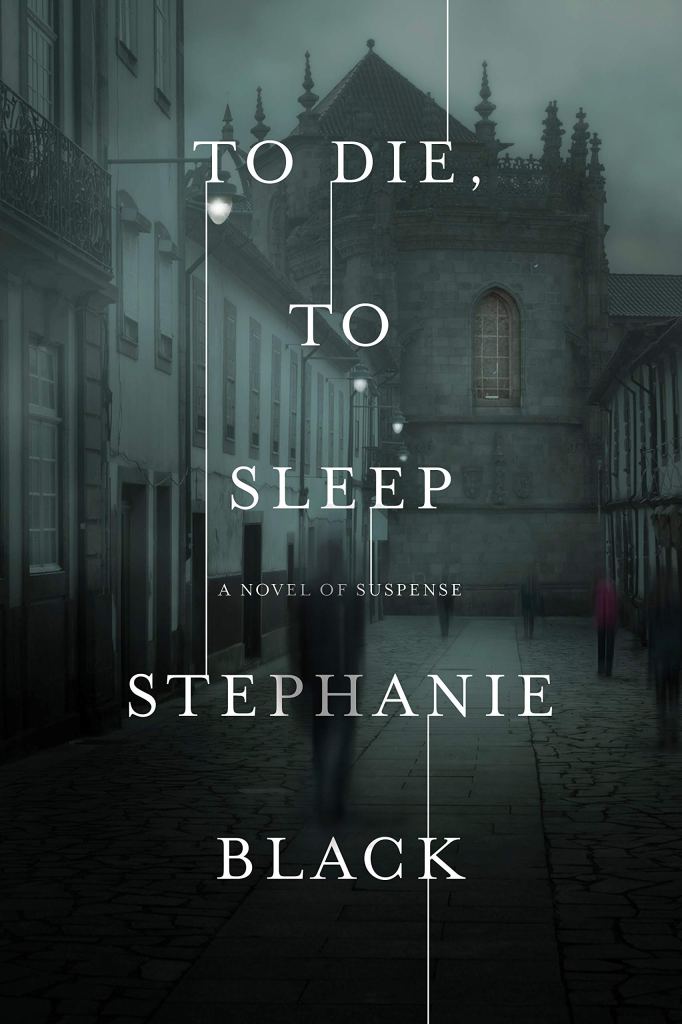
To Die, To Sleep: A Novel of Suspense by Stephanie Black
Speaking of thrillers, this one is a shorter novel by a Deseret Book author that wrote a novella I reviewed in the past, so I thought, why not? This is one I actually just finished last month that was on my Halloween TBR list, so I think it still counts. After reading it, I realized it was Book #3 in a series, but I thought it could be a good stand-alone book too. My review for it will be posted soon!
Being the Tudor history buff I am, I can’t help but get frustrated when historical inaccuracies are so blatantly present in films and/or television series (and there is no real reason for it). Sometimes directors use creative choices instead of sticking with history and sometimes they work or are not as blatantly in your face, and sometimes they aren’t. Critics have labelled AMC +’s casting of a black Anne Boleyn as “black-washing” history and while I agree with this to a point, this historical inaccuracy did not bother me as much since it was an obvious “creative” choice. It was instead the little moments and choices they made with the telling of the story that really irked me. So, setting the black casting of an obviously white historical figure aside, let’s look at a few.
Costumes
Found at Amazon.com & Pinterest
Perhaps the most obvious of the historical no-no’s:
Where is the jewelry? As you can tell from the portraits above, the Tudors (especially royalty) loved their jewels and ornaments.
French Hoods? Many of the women had French hoods that looked like they were “cut and pasted” from their dresses, which also was not a commonality of 1500’s fashion. As you can see in the portraits, the hoods are usually different colors to offset their gowns. A note about the French hoods…where are the hoods? The ones the women wore in the series were more like headbands.
Why don’t the dresses fit? Each dress, especially on Anne Boleyn, was ill-fitting and very brightly colored (more like a color-choice one would make when sewing a Halloween costume). Commonly, colors like red, green, and blue in this era had deeper hues, especially for members of the royal family.
Sex while pregnant with the heir to the throne?
This was also a no-no for English Royals, especially for ones like Henry VIII, who wanted more than anything for his queen to give birth a healthy son to succeed him. So, the scene where Henry and Anne are “doin’ it” would most likely have not happened while Anne was pregnant with the heir to the throne. Whenever his wife was pregnant, the king was expected, even by the queen, to take mistresses. This is also something that they failed to address in the series: why Anne wanted her kin to be his mistress…someone she could control and trust. They just sort of have her imply that her cousin Madge is his mistress but don’t explain why.
Why is Jane Seymour so young?
From BT.com
Jane was in her late 20’s when she married King Henry VIII, not some naïve teenager. That sounds more like Henry’s 5th wife—whom we affectionately call his “mid-life crisis” wife—Katherine Howard. If they casted this actress as Katherine in another series, it would be spot-on!
Side-note: Why did they show Anne kiss Jane on the lips? I know that in this era, women sometimes greeted each other with a peck on the lips, but she conversed with Jane about marriage beforehand, which sets a strange precedence for her to then attack her face with her lips…it was cringeworthy to say the least.
Thomas Cromwell = Sadistic Villain?
From TheTab.com
This was one that bugged me, mainly because the film set no precedent for why Cromwell was so openly antagonistic towards Anne. It shows them as allies, discussing reform in the church, and then shows him openly taunting her with a cringy sadistic smile about her “alleged” charges…Can they make his villainy any more obvious?
Instead, I see that history paints Thomas Cromwell as a more strategic figure who worked behind the scenes to orchestrate Anne’s downfall, and he is, in my opinion, a more complex character than the obvious mustache-twisting villain popular media like this portrays him as. Based off my own research, I believe Cromwell wished to please the king either to improve his own standing or to save his own neck (or both). Henry wanted to get rid of his queen, so his low-born secretary dirtied his own hands by fabricating evidence—Why would he openly taunt the queen with something this incriminatory? He might as well have been shouting: “Hey everyone, I’m the one behind the queen’s downfall!”.
Why is Anne imprisoned in a dungeon?
It’s interesting that so many adaptations show Anne Boleyn in a dungeon when she goes to the Tower of London, but it is far from the truth. She herself asked her jailor: “Mr. Kingston, shall I go into a dungeon?” after which he replies, “No, Madam. You shall go into the lodging you lay in at your coronation.” Instead, in this film it shows her behind bars like a common criminal.
Why is the constable of the Tower portrayed as a young, gypsy-looking ruffian?
(First of all, why was he eating dinner with a fork? Those weren’t invented until the 17th century. People, even nobles, in 1500’s England would have eaten with a dagger and their hands.)
The constable of the Tower, Master William Kingston, at this time was not a young jailor, but a distinguished veteran and former soldier of the Crown who was in his 60’s. Due to his years of experience in professional employ of the Tower, I think he may have exhibited a level of professionalism, especially towards the more important prisoners, instead of exhibiting the condescending demeanor toward the former queen that was portrayed in this show. Comparatively, I think his portrayal performed by Michael Vivian Fyfe Pennington was very spot-on in Showtime’s The Tudors.
Why do only two ladies (including one Anne trusts) wait on her in the Tower?
To further ostracize the queen from her title and position, the king (or Cromwell) made sure that there were unbiased ladies attending her…most likely ones that she did not know or who were trustworthy by Cromwell enough to report back to him or Master Kingston about her. History does not confirm who these ladies were, but many speculate that one of her ladies was Elizabeth Boleyn, who looked after other maids of honor and perhaps Anne Shelton, who was believed to not like Anne Boleyn very much. Also, it’s been reported that Anne wished to be accompanied by her own ladies instead of the ones she was provided with in the Tower.
Where was the delay of execution?
From TheTudorTravelGuide.com
It is famously known that Anne’s resolve to succumb to her fate was tested more than once when the French executioner was delayed not once, but twice, while on the road from Calais to London. No doubt this caused her much distress after preparing herself to die at the time that originally was appointed to her, and I think it could have added some higher stakes to the portrayal of Anne Boleyn in this drama.
Anne’s Execution
There were some things that I think they got right in the portrayal of the execution scene, but there were also many flaws that drove me nuts. This should have been the most pivotal scene in the series, because it is the instance where we see this queen meet her infamous fate, but the creators ignored some very important details that could have added to the dynamicity and strength of an English queen that has both puzzled and fascinated historians for centuries.
Right: Wardrobe
She did have a fur caul she wore.
She was blindfolded.
She did have to take off her jewelry.
Right: Executioner asking for forgiveness
I think we should have seen him a bit more for this to have taken a stronger effect.
Wrong: Why is the weather so dark?
This happened in May, so I don’t believe that it was as dark and cold as portrayed…but then again, this is England, so rain and thunder could have been present.
From TheSun.com
Wrong: Where is Anne’s iconic speech?
This is the main detail that separates Anne Boleyn from other executions in history. Her composed and compelling speech that spoke of her innocence (without directly speaking about her innocence) is something that helps us understand who she was at the end and how her courage to meet that end was portrayed.
“Good Christian people, I am come hither to die, for according to the law, and by the law I am judged to die, and therefore I will speak nothing against it. I am come hither to accuse no man, nor to speak anything of that, whereof I am accused and condemned to die, but I pray God save the king and send him long to reign over you, for a gentler nor a more merciful prince was there never: and to me he was ever a good, a gentle and sovereign lord. And if any person will meddle of my cause, I require them to judge the best. And thus I take my leave of the world and of you all, and I heartily desire you all to pray for me. O Lord have mercy on me, to God I commend my soul.”
Retrieved from OnTheTudorTrail.com
All-in-all, I think this was a sad attempt at a historical adaptation (if that’s what the creators were aiming for). If AMC+ was simply wanting to make a creative interpretation of Anne Boleyn’s downfall, then they succeeded, but at the cost of historical accuracy. For those of you who want more historically accurate information about this intriguing figure, try watching a documentary instead.
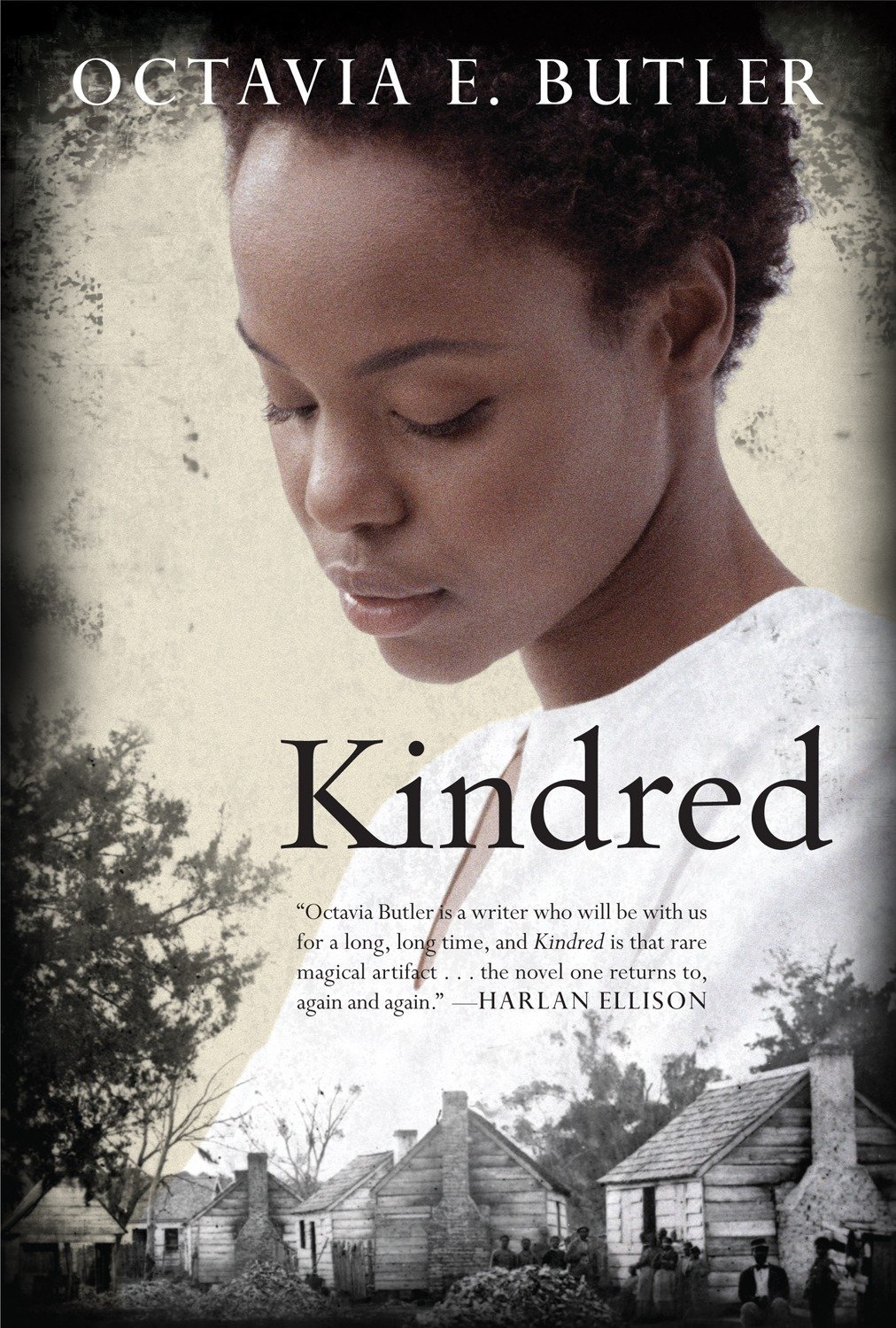
This one’s been on my TBR shelf for a while, but I finally got it from the library and read it. Time-travel and historical fiction are my favorite genres/plot devices (when done well) and this book does both.
Summary
In 1967, a young black woman named Dana and her white husband Kevin find themselves transported back in time to save Dana’s ancestor named Rufus, a white slave-owner’s son from the 1800’s American South, from imminent danger. Throughout Rufus’s life, Dana keeps appearing to him and while time passes shortly in her time, years pass in his time. While Dana can save her ancestor from physical danger, can she save him from becoming a ruthless slaveholder like his father?
Likes
Concept of time-travel. The author did not overcomplicate the concept, which I appreciated. Being a sci-fi author, Butler could have gone into the depths of the physics, etc. about how time-travel worked in this story, but she showed them traveling through time instead of telling us about it, which was an effective choice that kept the story plot-driven instead of genre-driven.
Essays & study questions. I thought it was neat that an essay was included at the end of the book that highlighted the author’s historical work on the novel as well as compared this genre to her others in the past. I also like it when study questions are included after a story to invite readers to discuss the themes contained in the book. It can help readers network with one another better.
No F-bombs. Enough said.
No Explicit Sex Scenes. Dana and Kevin share a couple of sex scenes, but Butler does not dwell on describing them in too much detail, which I am always grateful for. Rape (or the discussion of it) is commonly referred to in this story due to the circumstances surrounding slavery in the 1800’s, which makes me cringe as much as the next person, but I’m very grateful the author did not get graphic when this occurred; I know it happened in the book, but I was spared vivid descriptions about it.
Dislikes
Ending. *SPOILER* I had hope for Rufus to turn around his attitude in the end, but the fact he tried to rape our hero made me hate him and lose what hope I had left for his character development.
Lack of character development. It seems that only the heroes who travelled through time experienced heightened levels of character growth, which is a little disappointing. I like to see ALL characters (villains, heroes, and supporting characters alike) experience some sort of character development. Butler teases us with the potential of character growth for others in the story, but they instead (Rufus especially) seem to end up back where they began.
Plot. The main plot in this story had a lot of potential, but sort of fell short for me in terms of a gripping, evolving story. The story had a lot of repeating occurrences told in different ways that ended up becoming predictable.
Conclusion
After reading this book, I thought that Butler was a historical fiction author, but after reading the essay at the end, I guess she usually writes more science fiction than I thought. While I liked the concept of time-travel in this book, I wish the plot was developed a little bit more. It was neat to read a story that focused more on the historical elements rather than the science of time-travel, which is a theme that can get distracting at times if not done well, but I believe Butler successfully tried something different from her regular science-fiction writing.
I like to witness authors using familiar classics for the setting of their stories. Being the fan of The Scarlet Pimpernel that I am, I was intrigued that the author decided to tell her own story with this setting, so I decided to give it a chance.
Summary
Set in the backdrop of the French Revolution, a French aristocrat named Mademoiselle Dacia de Prideux is framed for her brother’s murder by a revolutionist. With the help of Sir Percy Blakeney and some members of the league of the mysterious Scarlet Pimpernel, who helps innocent aristocrats escape the clutches of the dreaded guillotine, she flees the country and hides out as a maid in the employ of an Englishman. Can she hide from the man who framed her all the while trying to keep her façade as a lowly maid in the employ of the handsome Richard Harris, who seems to have an idea about the truth of her identity…?
Setting. As I mentioned before, I am a fan of the intrigue of this era of history, as violent as it was, due to the stories I’ve read about the sacrifices many made to save innocent lives from the guillotine. However, with this story, it’s nice that readers get a fresh tale outside of the main setting of revolutionary France and instead set it in a country away from the turmoil to instead focus on the intellectual fear and stratagem our protagonists exhibit to protect themselves.
Classic spin-off done right. I like the author’s idea to use the main characters of a classic story as side-characters instead of the main protagonists. It allows more freedom for the author to tell a different tale.
Predictability. While it is a fresh spin on a classic story, it had some of the same ingredients one would expect in a proper romance: the man is engaged to a woman he does not love, the protagonist feels she is not worthy of his love, and (perhaps most visibly) each main character has their own tragedies that cause distance between one another at the beginning, but their love inspires them to communicate their feelings at the end.
Protagonist. While she was a well-rounded enough character, I think she was a little more defined by her title than she should have been and came off a little too “damsel-in-distress-y” in my opinion.
Conclusion
Overall, I thought it was a proper historical romance that had a good plot, though some of the characters’ actions were a bit predictable. I liked how the author didn’t info-dump on readers about the classic upon which it is based, and she also serves readers who may not have read Orczy’s The Scarlet Pimpernel with just enough information about the setting/characters that invites them to infer what each characters’ role will be in this story.
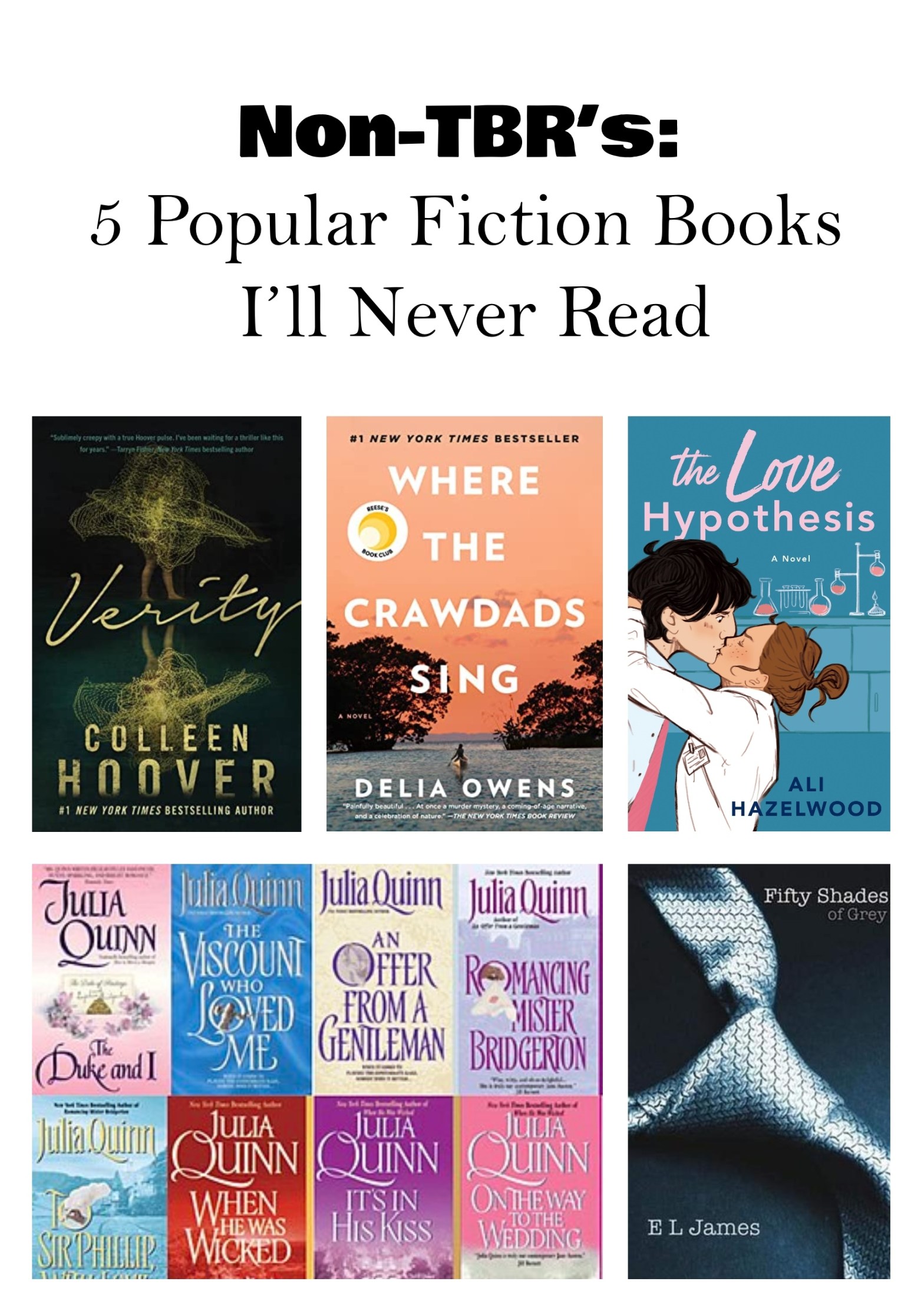
Do you ever see a book pop up on your recommendations list that you know you will never read? Instead, you marvel, in what world did this algorithm think that I would even consider a book like this? I’ve been seeing this happening more frequently after I’ve purchased or checked out books, so I thought I’d vent some of my frustration by listing some recent fiction that has the effect of setting my teeth on edge.
The 50 Shades of Gray Trilogy by E. L. James
I think the cringeworthy flaws in this one speak for themselves; we have enough books that romanticize manipulative or destructive relationships, but I can tell without even cracking open the cover, that this one takes the cake!
The Bridgerton Novel Series by Julia Quinn
Speaking of cringeworthy, it saddens me how far away from the “proper romance” of Jane Austen’s world the present day has journeyed away from and Bridgerton seems to be one of the main examples of this occurring. Disclaimer: I am basing my judgments on this series off the Netflix adaptation, so if the book is far different from the show, I may be persuaded to give it a chance. While I don’t mind the main characters being portrayed by different races in the show, the sex scenes are too much for my respect for “proper romances” to handle.
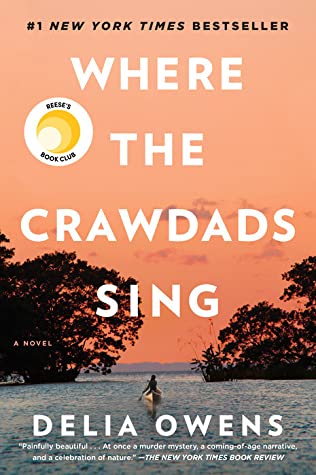
Where the Crawdads Sing by Delia Owens
Everywhere I look—YouTube, book shops’ Best Sellers, my book recommendations group on Facebook—there it is! Since I tend to like Southern fiction, this was on my TBR list for a bit, but after I watched the commercial for the new movie adaptation coming out, all I can think of it now is…Meh. I think this is one of the circumstances where a book is so overhyped, I’m getting sick of hearing about it.
The Love Hypothesis by Ali Hazelwood
This was on one of the “Book of the Month” lists that I reviewed, and I thought this looked good (based off of my initial judgment after seeing the fun cover). Since I usually am not interested in present-day romance novels, I thought, “Why not try something new?”, but after reading the synopsis I was under the impression this was just another cliché romance. To those of you who’ve read this: am I right or should I give it a chance?
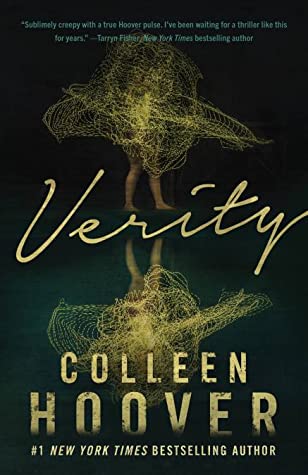
Verity by Colleen Hoover
Like Where the Crawdads Sing, I saw this book posted infinite times on book recommendation lists, but after looking into it further, I guess there is a LOT of sex scenes, so I can already tell that this is not the book for me. Why don’t publishers just market books like these in the erotica genre instead of general YA fiction? Is it to throw readers like me, who don’t want to read that trash, for a loop?
This post turned more into a rant than I had wanted, and I apologize for that. It just frustrates me to see so many good books out there, mostly underrated ones that are unknown to many readers, get sidestepped for popular fiction that is either written poorly, has a horrible plot, or has clogged the whole story with trash.
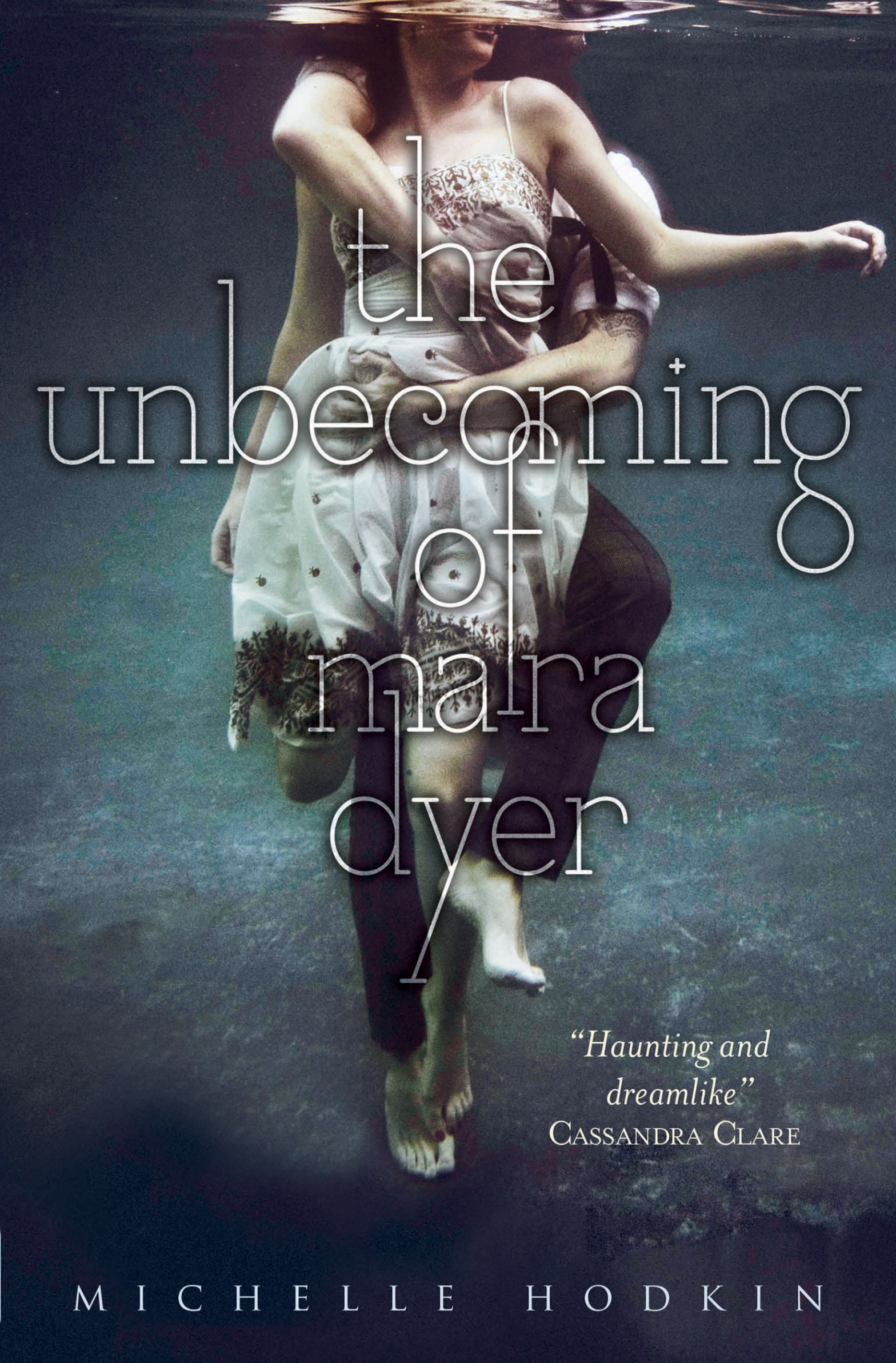
I don’t know what got me interested in trying out this supernatural YA trilogy in the first place, but I guess I was in the mood for a supernatural romance. My local library didn’t have a copy of the first book, so I ended up buying it, not sure if I would regret it in the end. For now, I think I’ll keep it…let’s explore why.
Summary
Mara Dyer is cursed. After seeing her friends perish in an accident, and is the sole survivor, she moves to a new town where mysterious, terrible things start happening to the people who have become her enemies. Maybe these aren’t coincidences, she soon realizes. In the midst of this dangerous revelation, Mara meets a handsome young man at her school who has a strange ability of his own…
Likes
Original idea. For a genre that is constantly bombarded with vampires, werewolves, and witches, the idea of being able to *SPOILER* psychologically kill people at will *END SPOILER* is a concept that I haven’t seen in books. I think it’s an interesting idea, because the author builds off of that when formulating the relationship between Mara and Noah.
Romance. Like Twilight, it kind of sucks you in, despite how terribly immature the romance is. However, the author gave us a romance between two characters that included some mature elements that I like to see in any book: moments of sacrifice, selflessness, and strength.
Dislikes
Excessive “teen” lingo. Ugh. It irks me when authors give their characters what they think is typical teen voices with typical teen lingo, when in reality, they just make them sound unintelligent and annoying.
“F”-bombs. This sort of branches off of the excessive use of “teen” lingo in the writing, but I could have done without reading the lovely and intelligent-sounding “f-word” popping out of one of characters’ mouth whenever they get mad. If their character would say it, fine, keep it in, but I don’t need to read it EVERY time they open their mouth.
Predictability. Protagonist falls for the British bad-boy…Who could gave guessed that? Answer: Everyone.
Will I continue with this series? I’m not sure. I liked the concept and the writing wasn’t terrible, but I don’t know if I can get past the immaturity of the drama…I guess that we’ll have to watch the space on this one.
It’s unbelievable how often I encounter books written for teenagers where the author misses the mark about how a teen thinks or just rides off of teen clichés when crafting their stories. Don’t get me wrong, there is some good teen fiction out there, they just are hard to find, given how poorly many of them are written. It has become a common occurrence that while I’m reading these books I ask myself: “Is this how adults believe all teens think?”
The words “shallow” and “cliché” come to mind when this question arrises and then I wonder if I’ll even be able to finish the book without rolling my eyes every chapter. To help authors of teen fiction stay out of this trap, I’ve listed some things to avoid when writing stories in this genre.
The Loner Protagonist. This is usually the “misunderstood” girl who endured some kind of trauma and then (almost inevitably) falls for the “bad boy”. As a teen once myself, I went through a “nobody understands me” stage (as all teens do), but it’s been done in books SO many times it’s practically predictable.
Adults (“…Who Don’t Understand Me!”). Why are adults always portrayed as either stupid or completely disconnected from their kids in teen books and movies? This has become more common lately, fore-fronting teens as the ones who know everything and the adults in their lives as the ones who can’t help them. What a crock.
Excessive Teen Slang. Don’t write how teens talk, write how they think. As a teacher (and a teen once myself), I can guarantee you that teens rarely think in slang (as evident in their writing) and are more mature than we give them credit for. Treat your heroes like people and don’t degrade them with excessive language that makes them look and sound too juvenile.
Cussing/Dirty Jokes. This leads us to the be all, end all in teen fiction: swearing. Just because some teens swear excessively in real life, it gets VERY distracting in print-form, at least for me. If a character is going to swear, have them swear, just don’t make them say it every time they speak. It gets old and loses the impact it is meant to leave on the reader. Use your intelligent words you’ve learned as a writer to fill their mouths with actual language.
The Shallow Protagonist. I love reading a story about a girl who falls in love with a “beautiful” man–with the straight teeth and the chiseled jawline–as much as the next reader, but this has to be the most used theme in teen fiction to date. This expectation endangers teenage readers of believing that finding the perfectly handsome man should be their goal in life when in reality, they should be making friends of ALL kinds and developing their own talents. I would enjoy reading a story about a protagonist who has a special skill in something and who forms a strong friendship with another who may not look perfect, but who is still a likable character. It’d also be nice if the author leaves most of the appearance of the friend or love-interest up to the imagination of the reader.
Authors of teen fiction, please remember that although the teens you write about may be immature, as in real life, they are still people who should not be portrayed so stupidly that the reader can’t tell if they should hate them or not. As an adult, I am probably biased in this opinion, but I was a teen once. Try to remember how it felt when you were one too and it may help your writing develop in this specific genre.