This book had the perfect balance of suspense and light-hearted comedy that is great for fans of paranormal stories as well as readers of cute romances.
Some may find the jokes from the MC a little campy, but I appreciate how this author incorporates protagonist women into her stories that have a sense of humor without having them cuss all the time—We need more genuinely funny women in literature!
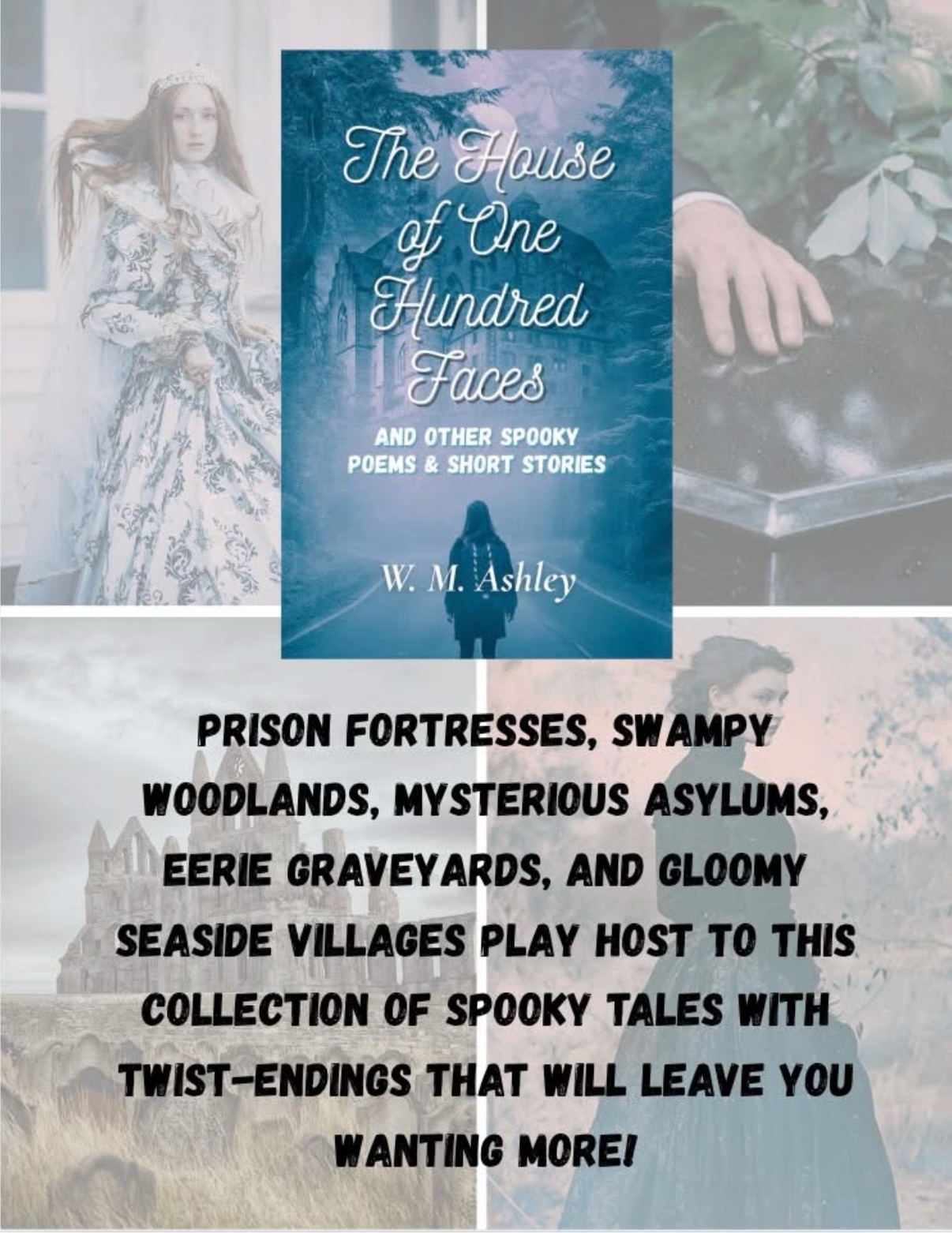
My new anthology of my own spooky/gothic tales and poems is now available on Amazon, Barnes & Noble, and my Etsy shop!
“Peek into the world of the supernatural…if you dare. Prison fortresses, swampy woodlands, mysterious asylums, eerie graveyards, and gloomy seaside villages play host to this collection of spooky poems and short stories with twist-endings that will leave you wanting more!”
This anthology contains short stories and poems for fans of suspense, gothic fiction, historical fiction, ghost stories, and for those who just like not-too-gory tales with twist-endings.
YES! What a breath of fresh air! I was of course, immediately captivated by the gorgeous cover, and then reeled in through the content of historical fiction with a time-travel theme. Why are not more books like this written?
Summary
Present-day Benny is caught in a whirlwind romance with Brigham Young’s daughter Mary…who happens to be living 160 years in the past. After figuring out the existence of time travel, he spends the next seven years on Pioneer Day visiting Mary, while they both try to figure out how to be with each other, not just one day a year, but for time and all eternity.
Likes
The subject matter. I am not one for romances, but this one is very sweetly told through the eyes of a teenager who eventually grows into a young man.
The setting. It was neat to be able to connect places I have been to or seen in SLC with the descriptions in the book; it makes me want to visit there again with this story and these characters in mind.
The genre. Christian historical fiction and time-travel romance…need I say more?
Dislikes
Sometimes I thought that certain language or dialogue was unneeded in parts when a character said something like “Okay, let’s go” or other redundant dialogue or descriptions.
Recommendations
I suggest this book for young audiences as well as young adults, since the characters grow with the story.
Time travel, proper/clean regency romance, and a mystery to solve…this book is my cup o’ tea!
Foster child Lilyanna finds herself mysteriously transported through a mirror back to Regency Scotland where a count takes her under his wing, raising her as his own daughter. As she grows up in this strange era, she must keep her modern-day language and customs in check while adapting to the time’s customs of up-do hairstyles, social gatherings, and searching out marriage prospects. As a family-friend named Davey escorts her London to better ponder her choices on the marriage market, she finds herself being drawn to him. While struggling with her feelings, she must also hide her secret and try to solve the mystery that had sent her there.
Likes
Time-travel done right. It can be difficult to make time-travel believable and not overly-complicated in books, but I think that the author executes this trope very well. She makes it simple and mysterious and not overly complicated with the plot-holes that many time-travel books contain.
Both Lilyanna and Davey POVs. I tend to like this in proper romance books, where we get to see the story unfold through different characters’ points of view; it adds some depth and dimension to the tale.
Dislikes
This isn’t really a dislike, but more of a distraction: occasional spelling errors. While this may not be as distracting for some people, I as a grammar-OCD person sometimes get pulled out of a story I’m reading when I notice them. But, I have discussed this with the author and she is aware of the issue.
Recommendations
I recommend this book to fans of new twists on regency romances, clean reads, and of course time travel!
Author
I met indie author Christine at an ANWA conference last year and once I heard that her book had time travel in it, I was epically excited to read her book! More of her book titles can be found here.
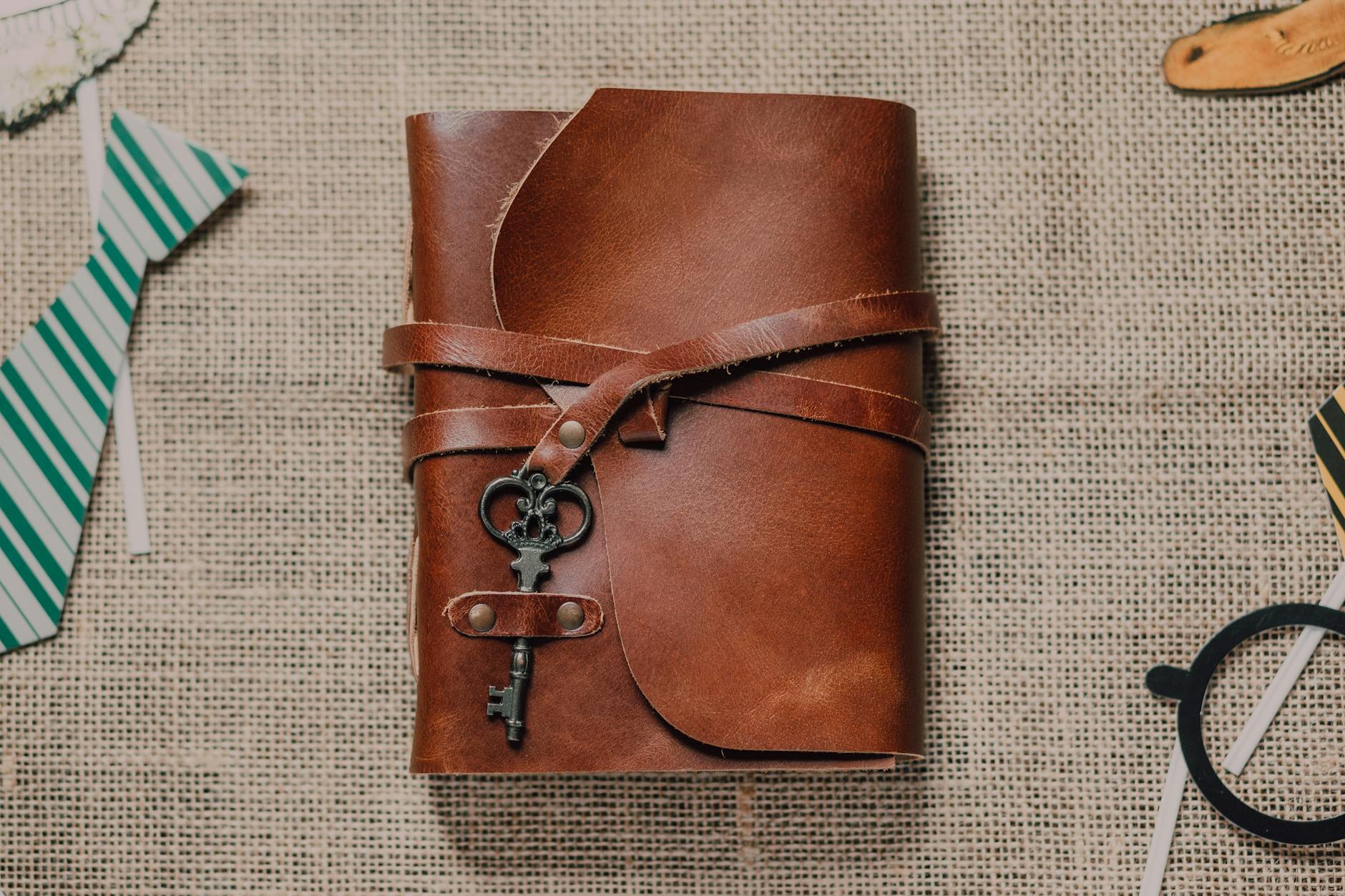
I’m sure I’m not the only writer who’s heart skips a beat when they find a new blank journal just calling me to fill it out with stories and ideas. I personally buy a notebook for 2 reasons:
I can use it to develop my creativity!
It’s pretty!
But how many of us bite off more than we can chew and either get writer’s block, get lazy, unorganized, or just have too many notebooks to know what to do with? Hopefully this list can help you come up with some new ideas.
For Writers
1. Character Journal
This is great way to organize your characters based off of which book you think they will fit or help drive the stories you have still locked away in your imagination. Feel free to get as specific as you can with traits or doodle some images of how they look and practice describing them.
This is one I use quite often, especially when I get an idea from something I saw or heard, so I would recommend having this one easily accessible.
3. Blog Ideas
First drafting a blog comes in handy before actually publishing it (as with any piece of writing), so this is an effective way to keep your drafts organized.
4. Nightstand Journal
I don’t know about you, but most of my antidotes to writer’s block come in the form of clear ideas when my mind is relaxed and I am just on the verge of sleep…Convenient, isn’t it? I’m sure that many writers can relate to this, so I would suggest keeping an accessible notebook near you for when these ideas come. And PLEASE beware of the common lie we tell ourselves: “I don’t need to write it down, I’ll remember tomorrow…”, because it will not happen!
It’s always good to keep everything you learn at writing conferences in one place, because odds are you will not remember what conference you heard something from, especially if you attend a lot of them like me.
6. Pitches
Drafting pitches to editors and agents can be a barbarous business, so it’d be smart to keep all of these in one place as well; the last thing you need is trying to remember where your most recent draft of the pitch you had in mind was located.
7. Poems
Since poems are usually shorter than other written works you can fit a lot in one notebook!
I recently discovered that if I have ideas for how I should market an indie book, I need to write it down, so having a notebook specifically for this purpose should come in handy for indie or hybrid authors.
For Readers
9. Fave Book Quotes
Many of us, myself included, does not want to mark up something as precious as a printed book, so keeping a separate space for our favorite book quotes where we can doodle and mark it up to our heart’s content would be very beneficial when learning how to hone our craft from the greats!
10. Book Reviews
I think that lately most of my notebooks are used for this purpose, since I am participating in my library’s 2025 Extreme Book Nerd challenge again. If I am in a meeting or in class and want to write something to keep my attention engaged, I usually find myself writing reviews of recent books I have read.
I make one of these every year since I started participating in reading challenges. It helps me stay organized regarding which books I want to read and it helps me map out when to read them.
For Teachers
12. How-to’s
This can really be recommended for writers/bloggers as well. Who doesn’t love a good “how-to” page? However, filling a notebook with these ideas is a great start!
13. Lesson Plans
I have a notebook specifically for this when I am trying to decide how to organize class: When should I start the lecture? What slides should I incorporate? What students do I need to speak with? etc.
Some people (like myself) appreciate the pre-made and already outlined, dated, daily or weekly planners you can buy, but notebooks are a great way to personalize your daily/weekly/monthly/yearly planning in a more creative way–no limits!
15. Facts
Sometimes I like to write things down that I did not know beforehand and do not want to forget, especially as a historian, so it’s nice to use notebooks for references to factual information.
For Everyone Else
16. Dream Journal
This one is one that everyone can participate in, if they feel the need to do so, because you definitely do not to be a writer to tackle this one–dreams never seem to make sense anyway, do they? Writing down dreams can be beneficial in helping you analyze your own dreams or if you want to remember something specific that you dreamt later (because how many of us forget our dreams later in the day?) writing down the details of the dream can help you do so.
For those of you like me who like to take notes when reading your scriptures, but don’t necessarily like to scribble all over the pages, this is a good alternative. Whether you are writing down scriptures word-for-word or simply the impressions you feel as you read, this is a great way to document the personal revelation you receive as you read the Word of God.
18. Fave Quotes
Most of my favorite quotes come from classic or epic movies, but whenever the spoken word inspires you, it’s nice to have a place to record it.
19. Pro/Con Lists
Decisions, decisions. As simple as it sounds, pro/con lists work, especially for the big decisions: Should I move to Nebraska or stay here in Florida? Should I go to college or continue at my high-paying job? Should I get a puppy? Having a journal just for this would be fun to look back on and see review your decision-making process.
Mine mainly consists of bullet-points, but it still gets me thinking about all the good things that happened each day. This is something that my companions and I did on my church mission when we would come home for the night and plan our next day–we called it “Tender Mercies” of the day–and it’s something I have continued.
21. Sketches
As the great philosopher Shawn Spencer once said:
“Doodles are the window to the soul, Gus.”
Psych, season 2, “Episode 2: 65 million years off”
A picture is, after all, worth a thousand words.
22. Craft Ideas
Organize the many creative projects (many of which you know you aren’t going to finish) in a notebook!
If more people did this, I don’t think the national debt would be as high as it is. List your expenses, your income, and your spending plan each month (if not week) so that you can properly budget your finances.
24. Stuff to Remember
This one goes without saying. When in doubt, write it down!
25. Travel Journal
You can get really creative with this one by using a notebook (which I’ve done) or another creative method. For example, on my last trip to England, I filled out what we did each day on postcards I bought from gift shops at each travel site and I plan to compile them all into a travel journal.
Sometimes it’s just nice to have a fun notebook full of blank paper that you can use for MASH, Tic-Tac-Toe, Hangman, or whatever else the kids are playing nowadays.
27. Devotionals/Talks
Like the scripture journal, you can use a notebook for things you learn from spiritual or uplifting talks given by inspired people to help guide you on your spiritual journey.
28. Goals
Who hadn’t made a goal list (many of whom I’m sure made one within their first 10 years of life)? It’s always good to update your list of goals, so I would recommend sorting your lists by date.
29. Lists (grocery, fave things, fears, gifts, music playlists)
Think of a list that you use a lot and put it in a notebook so everything stays together!
30. Letters/Coded Messages
Of course, we all text nowadays so passing around a notebook in class with your BFF I’m sure is a thing of the past, but if you want to resurrect this tradition, I say go for it!
31. Secure Info
I recommend keeping this under lock and key! Many people are using journals for their passwords, account numbers, tax info, wills and trusts, and other important information.
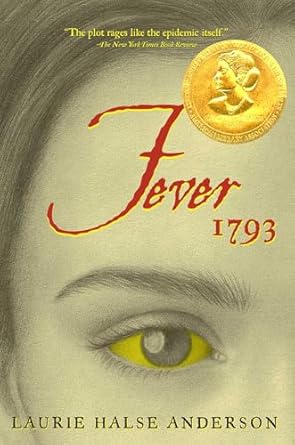
A young girl named Matilda living in 1793 Philadelphia finds herself caught up in the dreaded yellow fever epidemic which has afflicted her mother and many close to her. She journeys to a neighboring farm at her mother’s bequest and encounters many others who have been affected by the plague. Matilda does her best to help herself and others survive as they await the winter frost that is the only thing strong enough to finish off the fever for good.
Likes
The setting. I was unfamiliar with the American yellow fever epidemic of 1793, so this was enlightening to read more about the era as well as the ways that people coped with the illness (compared to the recent pandemic that we experienced).
Inclusion of historical facts and quotes from historical documents. Introducing each chapter with news excerpts from real writers of the day and concluding the book with a historical appendix added to the strength of the book as an addition to the historical fiction genre.
“Bring out your dead!” The hoarse voice echoed off the cobblestones and brick houses … The cart was not heavy, but the man walked slowly, as if he were pushing the weight of the world.
Fever 1793, page 150
Dislikes
The protagonist. While I admired her determination to help those around her, Matilda came off as a bit of a flat character to me. She just seemed to be the subject or product of her circumstances/environment and sort of let that drive her versus letting her own characteristics do so.
Author
Laurie Halse Anderson is an author whose books I am familiar with. I remember reading Speak in school and I recently came across her book Chains and the series that follows. She’s written in quite a range of genres for young audiences, including historical fiction, realistic fiction, and fantasy.
Last year I attended 3 writing conferences—LDSPMA, Storymakers, and ANWA—and have to say that they were very beneficial for an aspiring writer like myself. As you plan out your 2025, I recommend checking out registration times/dates for possible writing conferences you may want to attend in-person or virtually as you work on your next writing project!
Meet with Literary Agents and/or Publishing Company Reps. Many conferences have literary representatives for you to practice pitching your story ideas or have manuscript consults with.
Network with other writers. It can be beneficial to network with other writers in your specific genre so that you can possibly form an online writing group, find critique partners, or offer to review or promote each other’s work on social media.
Opportunity to teach classes. While not every class pitch is accepted, this would be a good chance for you to plan out and pitch a class to teach at the conference based off of your own expertise in writing. Some examples of classes have titles that include: “How to…”, “What you need to know…”, “Beware of…”.
Book prizes. Many conferences, especially the larger ones, have regular drawings that attendees may participate in and earn prizes like books, gift certificates, or other book swag.
Book signings. This can be an opportunity for readers to find new material, writers to help support fellow authors, and attendees to showcase their work for others.
I’m psyched to announce that one of my poems “The Gravedigger” has been published online this year in diet milk magazine! It was published back in October, but they have been having some delays in printing.
This anthology features many creepy short stories and poems from many talented authors and can be accessed here. Print copies should be available on the magazine’s website HOPEFULLY some time soon! (I’m still waiting for my hard copy).
Climb aboard the pirate ships and visit the gothic seaside villages found in the stories of this anthology (including mine: “The Sirens of Whitby”) just in time for the spooky season! Order today from Barnes N’ Noble, Amazon, or the ANWA website.