Book Review: The Physick Book of Deliverance Dane, by Katherine Howe

Rating: 5 out of 5.

Overview

The amazingly detailed cover drew me in and once I read the blurb, I was intrigued. How fortuitous that I stumbled across this find at a thrift store a mere month or so after returning from my trip to Salem, Massachusetts. I had always been fascinated by the history surrounding the Salem Witch Trials, so visiting there was definitely an unforgettable and sobering experience.

This book reflected some of the stories I heard while visiting Salem, plus I felt I related heavily to the protagonist being a student of history who is pursuing a doctorate, so I may be rather biased in my liking of this book.

Summary

Doctoral student Connie finds herself swept up in a 17th Century mystery surrounding the Salem Witch Trials when she discovers her ancestor was one of the accused. After Connie is sent to Salem by her mother to fix up their grandmother’s old ancestral home, she discovers a book linked to her ancestor and the magical mystery surrounding it.

Likes

I’ve seen in some others reviews that there are inconsistencies in the storytelling of this novel, but there were none visible enough to bother me in my understanding of the development of this story. The setting and character of Connie and the fact that this book dealt with family history and family relations piqued my interest from the get-go. The first-person narrator, the occasional switch between the present story with Deliverance and her descendants’ stories of the past, the language, and attention to detail (which were not overly emphasized) also held my interest enough to prevent me from putting down the book.

Dislikes

I did judge some circumstances as predictable, such as the antagonist reveal as well as the truth of the physick book’s origins (which I think may have been the author’s intention anyway). I also wasn’t a fan of the “bad-boy” persona of the love interest; their relationship came off as a bit mismatched to me.

Recommendation

Overall, I think this book was well-written and appealed to my fascination in the history surrounding the 17th century witch hysteria. I recommend this book to history buffs, fantasy-fans, and thriller-seekers mainly because the story contains all of these elements (however minimal or obvious). Though a bit dated, I think this book is still an entertaining read to recommend to young adults and adults!

Content Advisory
Language: 0.5/5
Sex: 0/5 (though implied)
Violence/Gore: 2/5
Drugs/Alcohol: 1/5
*Elements of magic and “white witch” practices are also present

6 Graphic Memoir Recs for Middle School World Lit

Hi Teachers!

Below are some of the recommendations I have for those of you designing middle school curriculums for units that may or may not include memoir-writing, world literature, global awareness, cultural connectivity, etc. As always, please be sure to read these books before incorporating them into your curriculum as some of them may not be to everybody’s liking or fit into your grade-level standards. Happy Reading!

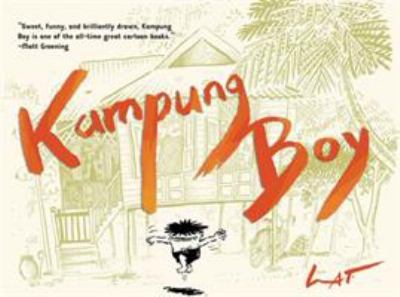
Kampung Boy by Lat

Author Lat reflects upon his childhood experiences in rural Malaysia and the traditions of his Muslim upbringing.

My recommendation: Ages 12+

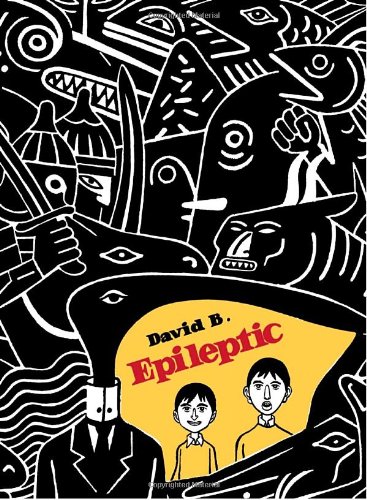
Epileptic by David B.

David B. describes the effects of his brother’s illness upon his own life. Rich in symbolic illustration, this book will invite class discussions about the themes of family dynamics and literary symbolism. Content Advisory: deals with some mature themes like pregnancy and some strong language.

My recommendation: Ages 15+

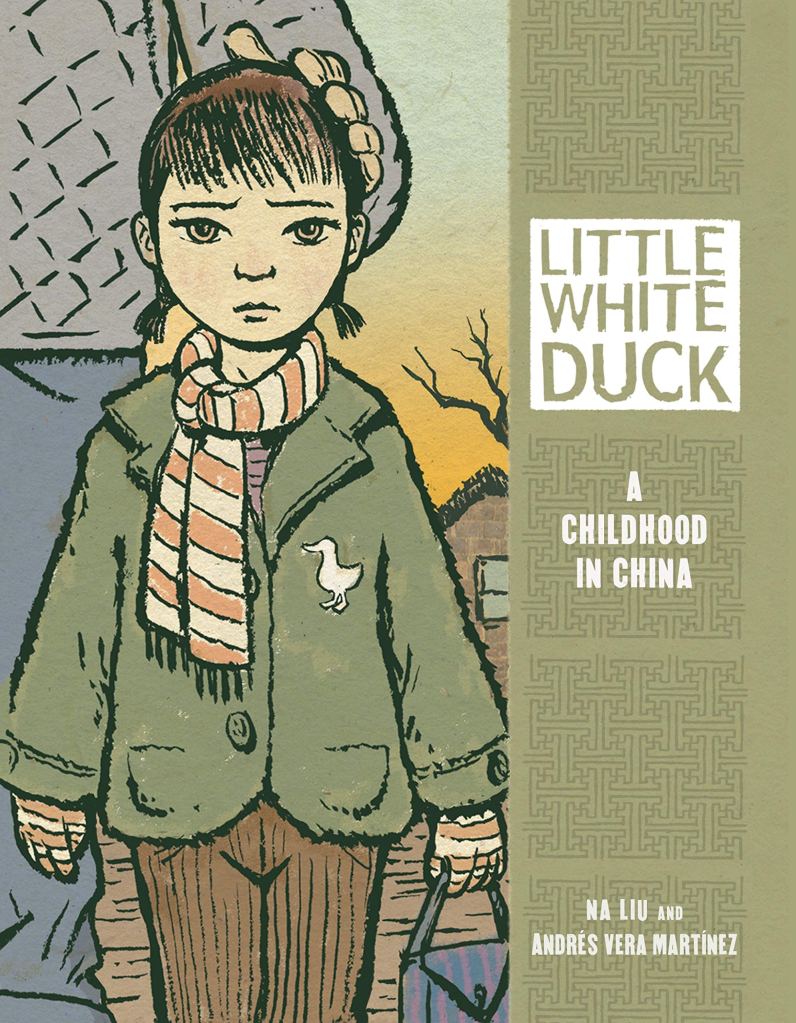
Little White Duck: A Childhood in China by Da Qin

Da Qin shares the story of how she learned the importance of understanding outside cultures while experiencing the traditions and culture of 1970’s China.

My recommendation: Ages 12+

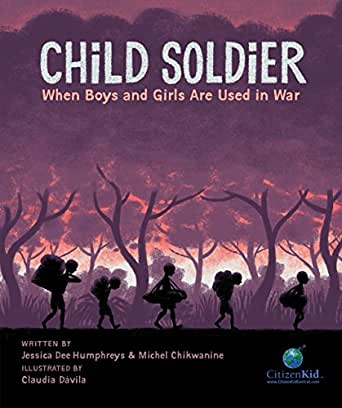
Child Soldier: When Boys and Girls Used in War by Jessica Dee Humphreys

Michel Chikwanine relates the true account of the horrors he faced after being captured and forced to be a child soldier at the age of 5 in the Democratic Republic of the Congo.

My recommendation: Ages 12+

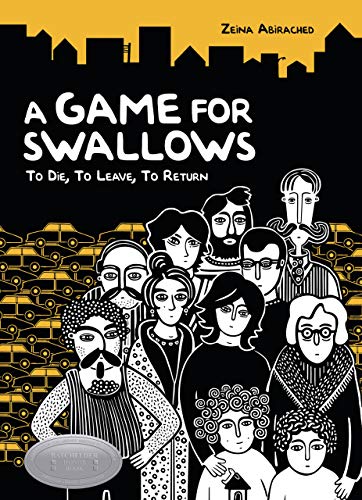
A Game for Swallows: To Die, To Leave, To Return by Zeina Abirached

Zeina Abirached recalls her childhood growing up in war-torn 1980’s Lebanon. She expounds on the stories of her family and neighbors while passing the time hunkering down inside during raids.

My Recommendation: Ages 12+

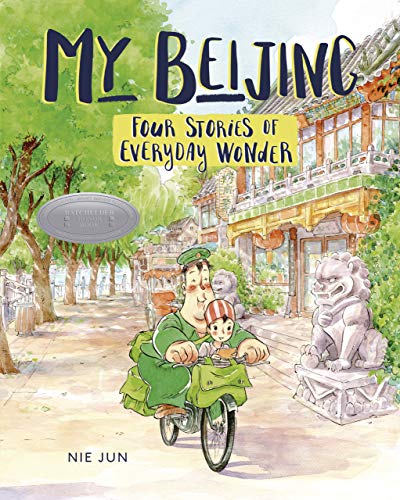
My Beijing: Four Stories of Everyday Wonder by Nie Jun

Thought this story may appeal to mainly younger audiences, this collection of quirky stories gives readers a whimsical look into the lives of fictional characters to describe the city where author and illustrator Nie Jun grew up.

My recommendation: Ages 8+

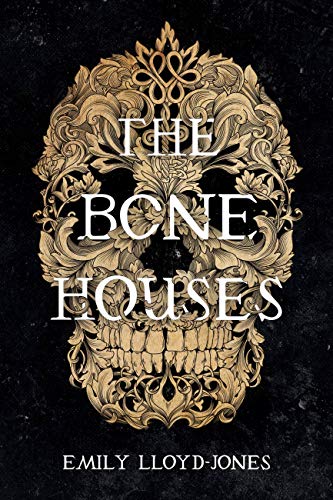
Book Review: The Bone Houses, by Emily Lloyd-Jones

Rating: 4 out of 5.

Let’s be honest, one of the main reasons I was drawn to this book was because of its cover…Wow! Although this was initially a book that was down at the bottom of my TBR’s, I am impressed by how quick of a read it was (once I finally sat down and read it!). Due to my procrastinatory nature, as well as the fact that I was reading six other books when I first picked up this one, this book has been resting on my shelf for four months and it took a reminder from my library to light the fire under my rear to finally get reading!

Ryn, a feisty young gravedigger, has done everything she can to keep her brother and sister safe after the death of her mother and the disappearance of her father. But when the dead start rising at the edge of her village, she realizes she has work cut out for her. After meeting a mysterious young mapmaker named Ellis, she realizes that he may be helpful in her quest to destroy these cursed bone houses. They both embark on a journey to the fantastical realm from a local legend that may hold the key to the demise of these rising dead. The further their journey takes them, the sooner the both of them realize that they are both connected to the legend in personal ways.

Dislikes:

  • Slow beginning. While I enjoyed the overall story, as I stated before it took me a while to get into the story. The beginning seemed a bit cheesy to me: a girl plunging her ax into walking skeletons. However, I think my procrastination was due more my own motivation versus the actual quality of the story.
  • Occasional lulls. For a thriller, it did occasionally lull, which I expected after I learned there was a quest involved; all tales that contain quests do tend to offer respite at times.

Likes:

  • Humor. I enjoyed the bits of sarcasm and occasional inner monologue jabs the author gave to her characters.
  • Characters. The girl is not overly beautiful. The boy is not obviously macho. They both have flaws, but they step up to the plate to defend their lives despite their physical and psychological weaknesses. I admire authors who craft characters that step beyond the cliché boundaries of popular fiction and instead make characters, even fantasy ones, realistic.
  • Love story. Some readers may argue that the romance was underdeveloped, but I actually admired its pacing and the overall love-story that existed between the protagonists. The slow build was necessary to the story and did not come off as an afterthought; it was well-placed and was created in respect to the already-developed characteristics of the protagonists.
  • Language. There were a lot of quotes that communicated the wisdom of the characters; things they realized amidst the violent trials they were facing and the value of depending on one another to protect those they loved.

“Monsters were unrestrained, unbound, and beautiful in their destruction. They could be slain but they would never be truly defeated … Ryn thought that if she could love the monsters—then she could love those monstrous parts of herself.”

The Bone Houses, page 243
  • Narration. The author chose to narrate the tale in third person but sectioned out the story so that the narrator focused on the thoughts/actions of one of the characters, which I thought worked well for this story. She describes the thought processes of the characters but never in an info-dump kind of way and I enjoy that in any book.

It was fun to read the acknowledgments at the end of the book, since I haven’t read anything by this author before. She incorporates some of the same humor into her gratitude for her contributors that she includes throughout the book. Apparently, she has written other books and I am curious to read some of her other thrillers.

Weaved with romance, horror, and fantasy, this tale is perfect for readers who enjoy unique horrors in the teen/YA genre. This book is a fun one to read at night by firelight in preparation for the spooky season!

*Content Advisory*

  • Language: 1/5 (I also enjoyed the fact that there was no swearing. Whenever a character swears, the author just says, “she cursed” or “he spat out a curse”. Kudos!)
  • Sex: 0/5
  • Violence/Gore: 3/5
  • Drugs/Alcohol: 1/5

5 Reasons to Join a Creative Writing Group

If you’re a writer of fiction and poetry like me, you may be looking for ways to expand your writing community or help others showcase their own writing. Here I’ve listed some advantages I am inexplicably grateful for in my own creative writing group.

1. Give and receive feedback. Some writers (including myself) cringe when another set of eyes are exposed to the work they have slaved over and nurtured like a child. While presenting your work to the criticism of others may seem like a daunting task, see it as an opportunity to ask questions to others about their stories and provide answers for other people’s questions about your own work. Opening your eyes to the opinions of others is a good first step in understanding how readers may receive your work in the future.

Photo by cottonbro on Pexels.com

2. Accountability. How often do we as writers procrastinate working on our drafts, meeting deadlines, etc.? Having other people you can account to for your writing throughout the week will help you stick to your goals. When other people are aware of what you are trying to accomplish with your writing, they can be a support system that will help you meet checkpoints regarding time spent writing, manuscript length, etc.

3. Bounce ideas off of each other. Writer’s Block is a pain. Enough said.

4. Reading opportunities. As writers, we are also readers. Many writers I know (including myself) try to find opportunities to expose themselves to new types of books or other reading material. What kind of reading material could be newer than books that are still in their drafting stage?

5. Develop proofreading skills. For those of us who wish to go into any type of English-related field, whether teaching, publishing, or any field related to communication (which is more broad than you may think), proofreading even a few pages of a peer’s work can help you develop the editing skills you desire for future employment or your own writing needs. Plus, with your peer’s permission, the inclusion of an edited piece of work in your CV or writing/editing portfolio could give you an upper-hand in the job-market.

PLACES TO LOOK FOR WRITING GROUPS:

*In all of your writing endeavors and in search of finding potential writing groups, please remember:

“O be wise; what can I say more?”

Jacob 6:12, The Book of Mormon

August 2020 Reading Vlog

It’s about that time again! Below is my video blog about the books I’ve read/recommend for this month! Feel free to comment below for other book suggestions or to give your thoughts on any of the books I’ve reviewed.

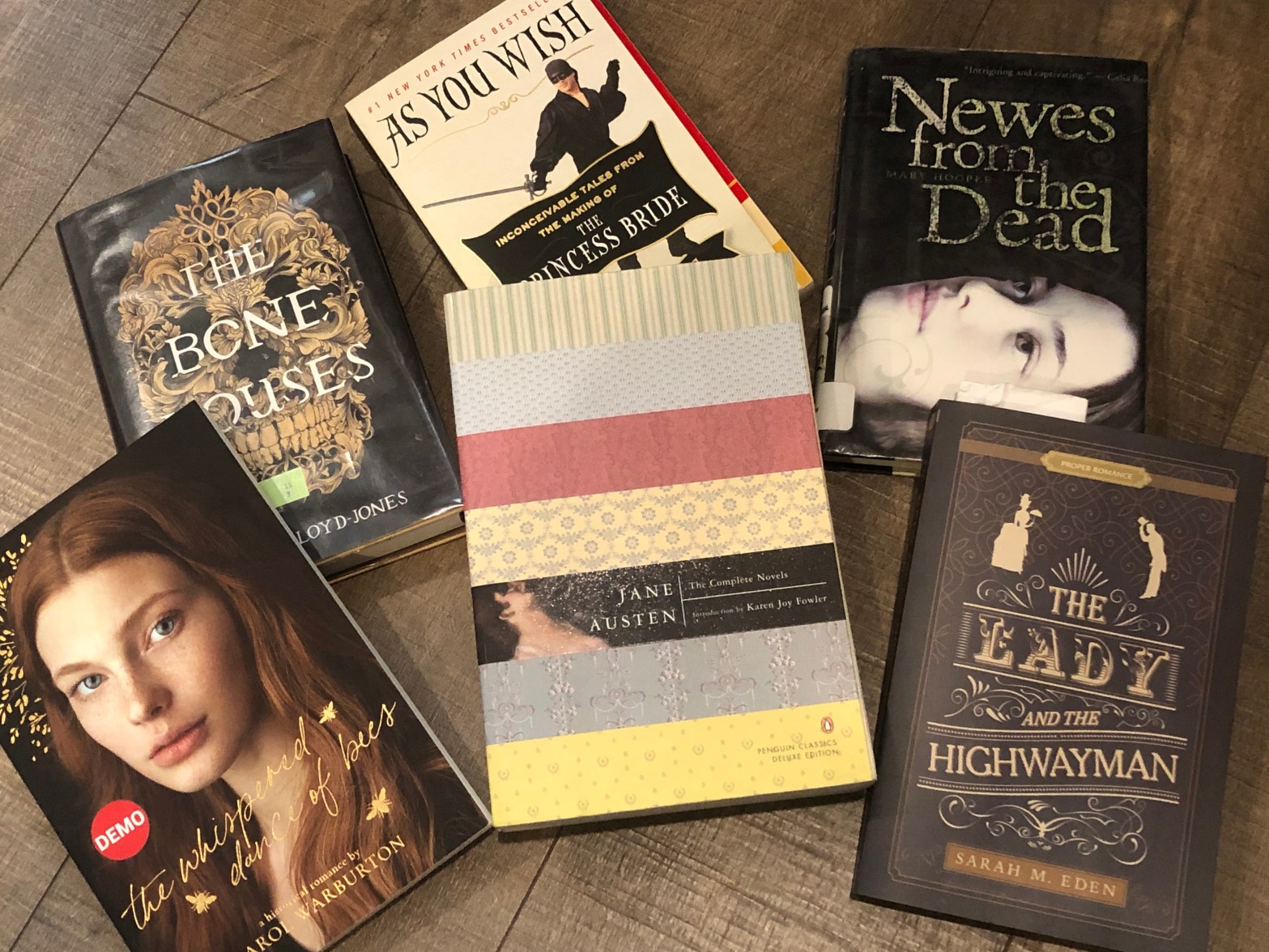
Books Included in Review:

  • Blood Countess, by Lana Popović
  • Bone Houses, by Emily Lloyd-Jones
  • As You Wish, by Cary Elwes
  • Northanger Abbey, by Jane Austen
  • Newes from the Dead, by Mary Hooper
  • The Whispered Dance of Bees, by Carol Warburton
  • The Lady and the Highwayman, by Sarah Eden

Book Review: The Whispered Dance of Bees, by Carol Warburton

Rating: 4 out of 5.

This book was an interesting one. Sometimes it seemed like the story took on different stories at different periods of the protagonist’s life and it is unclear what the main plot of the story was. However, it is not until towards the end of the book that the reader sees how these subplots drive the main plot of the story.

Being born under a blood moon was not a good sign to the superstitious folks of Alyce’s village. It was a sign that even her own father saw as a bad omen—plus the fact that his daughter was born a girl instead of a boy added to his fury. So, in an attempt to protect Alyce, her mother sneaks the both of them away to another village where a trusted friend helps harbor them. She feels the best way to protect her daughter is to dress her up like a boy in case her father came looking for them. But soon, the past catches up. After many unfortunate circumstances that drive Alyce away from her new home, she finds refuge in the woods with the local “witch” Elspeth, who teaches her the ways of medicine and healing and also how to communicate with the bees of the forest for news of things to come. Their friendship leads them on a journey to Alyce’s birth village where they find some familiar faces and one nonfamiliar face who manages to steal Alyce’s heart. Amidst an outbreak of scarlet fever, which allows Alyce uses the healing skills she learned from Elspeth and gain the trust of her fellow villagers, her new family helps her regain her birthright and discover the answer to the mystery that links all the way back to her very roots.

I initially was drawn to the book’s cover and the fact that it was labelled as a “historical romance”. Yet, I found myself disappointed when halfway through, there still was no hint at who the love interest might be. When the love interest did manifest himself, the romance finally unfolded, and I have to say that I loved the sweet story that blossomed between the two characters.

I both liked and disliked the timing of the love story; I would have liked to see the character of Will earlier on in the story, but I also appreciate how the author chose to develop the protagonist Alyce a little more before introducing Will.

I’m not too familiar with the former writings of Carol Warburton, but I would like to read more of her work since she is a Church of Jesus Christ of Latter-day Saints author. Her past work contains novels centered around the church and others that do not mention it and are simply wholesome historical romances/gothic novels.

As a piece of historical fiction, the backdrop of this story was believable concerning the era in which the author placed her characters; she mentions King Charles, the English Civil War, the caste system of the day, and the fear of witches that was still present in the public’s mind. However, the author also takes some creative liberties to help drive the story, but none that are too extreme or unbelievable, such as the passing of estate from father to daughter.

Things I Liked:

  • The characters of Elspeth, Alyce, and Will were pretty well-rounded, despite being introduced at later parts of the story.
  • Despite all of the turmoil that could have ensued after the doctor and other villagers witnessed Alyce’s healing abilities, the majority of them showed gratitude instead of the fear that was shown towards Elspeth at the beginning.
  • For a Christian historical romance, religion was not preached but used as a driving agent for the characters’ actions (it was shown and not told).
  • The development of a family unit made up of unrelated members; the friendships that strengthened between each character added to the quality of the story.

Things I Disliked:

  • Given the shorter length of the story, I expected more action would be told in less words, but the pacing of the story was sometimes slow.
    • The first two chapters are focused on Alyce’s mother, so the protagonist does not start sharing her story until about 20 or so pages in.
    • Halfway through the book, I was prepared to rate the book a 3.5/5 stars because of the lagging, but after the story’s mystery finally unfolded ¾ way in, I think it deserved a higher rating.
  • A lot of characters elaborated their dialogue, leaving the reader not many opportunities to fill in the gaps of the story.

I would recommend this book to fans of Christian historical fiction, genealogy, clean historical romances, and people who just enjoy a good tale about forming a family who, as Charles Dickens put it:

“…need not be defined merely as those with whom we share blood, but as those for whom we would give our blood.”

From Nicholas Nickleby

A Review of Starlight Mountain Theatre’s “The Scarlet Pimpernel”: 5 Reasons to Read the Book, Watch the Movie, and See the Play

Rating: 5 out of 5.

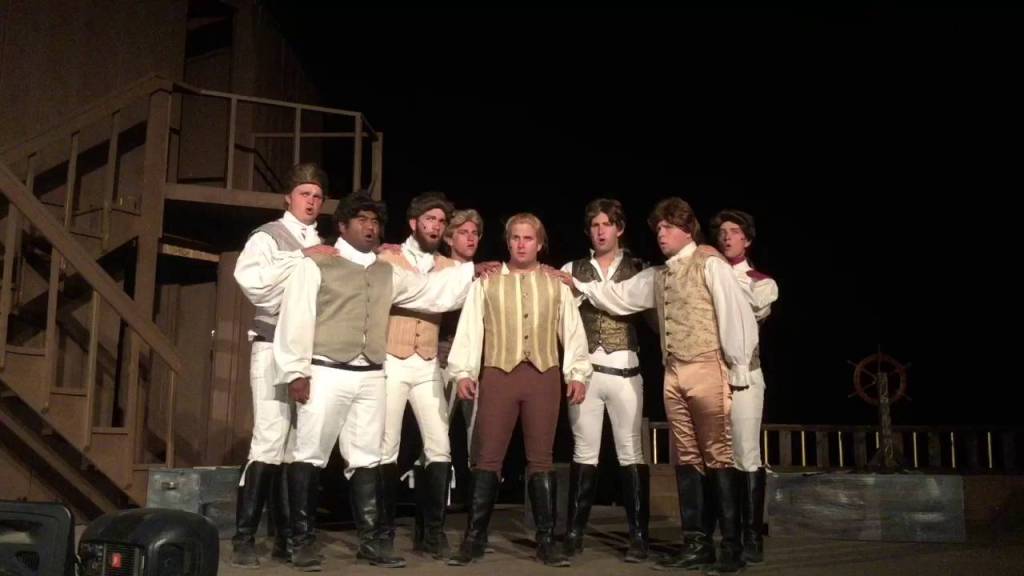
Just yesterday, I had the pleasure of seeing Starlight Mountain’s stage production of “The Scarlet Pimpernel” and boy, was it a spectacle! I had seen the play before (on a much larger scale), but this one was done with such a simple, yet impassioned panache, that it is worth mentioning. First, being an outside theater with a limited budget, they did not focus very much on set design, which I think, due to the extravagance of their costumes and the quality of their acting/singing, was a wise move. The amount of talent on stage was enough to compensate for the lack of props. Also, not much overacting or underacting ensued; a lot of the humor was either improvised or incorporated in a way I haven’t seen done yet, such as breaking the third wall and adding some modern humor to a musical set in the 18th century.

As an overall play, “The Scarlet Pimpernel” is a magnificent piece of art that drips with drama, satire, history, and suspense and I think that if anybody ever has any opportunity to see it, don’t walk, but RUN to the theater!

Starlight Mountain Theater has four more shows, so if you’d like to witness an inspiring, well-acted, fun and laughable historical drama, you can purchase tickets here.

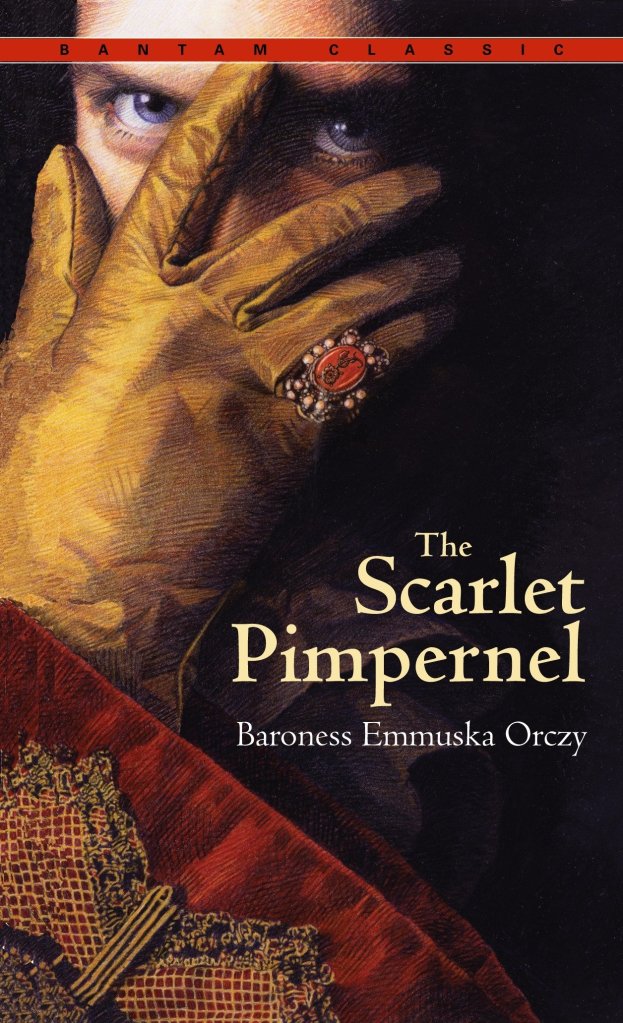
This play is based off of Baroness Orczy’s classic novel The Scarlet Pimpernel. The overall story follows beautiful French actress Marguerite St. Just and the illusive British Robin Hood-like figure known as the Scarlet Pimpernel whose goal is to save as many aristocrats as he can from being executed by the guillotine.

Disgusted by the revolution that had soaked her home country with blood, Marguerite falls in love with and marries the illustrious English Sir Percy Blakeney. But things are not as they seem. She becomes unhappy in her marriage…where was the dashing young man she had married and who was this incorrigible fop who had taken his place?

After marrying Sir Percy, she finds her world grayer than ever, especially when she becomes blackmailed by her once-lover Citoyen Chauvelin, an important leader against the Ancien Régime who sends French aristocrats to their deaths upon Madame La’ Guillotine. After Marguerite learns of the Scarlet Pimpernel, and how he is able to outsmart even the shrewd Chauvelin, she must race against the clock to evade the blackmail that Chauvelin has used against her. However, little does she know that this Scarlet Pimpernel and his league of loyal friends are closer to her acquaintance than she initially realized.

5 Reasons to read the book:

  • It’s a classic tale that effectively illustrates the power of friendship and staying true to what is right, no matter the cost
  • It is a beautiful piece of historical fiction that teaches a lot about the decline of the Ancien Régime and the emergence of the French Revolution
  • It tells the story in a unique way that focuses on different characters’ points of view (through limited omniscience narration)
  • The reveal is subtle, but works for the plot of the story and through Marguerite’s perspective
  • In addition to Marguerite, it gets us into the minds of the bystanders, so that the reveal of the Scarlet Pimpernel’s true identity is not as obvious from the beginning

5 Reasons to watch the movie (1982 version):

  • Even though we know who the Scarlet Pimpernel is at the beginning, suspense is weaved throughout the story by exhibiting the Pimpernel’s many elusive disguises, inviting the audience to ask the question, “will he get caught this time?”
  • Stellar cast including: Anthony Andrews, Jane Seymour, and Ian McKellan (Gandalf? Of course!)
  • We see a heartwarming love story that has us rooting for the main couple
  • The lack of special effects makes the sword-fighting scenes, the chases, and the overall story more believable and valuable to the viewers (and, no doubt, the actors too)
  • Story veers a different direction from the book/play where they must save the crowned prince. To me, this added an extra dose of suspense and specific purpose.

5 Reasons to see the play:

  • The story is tailored to fit the stage versus the film, so there is much more flamboyancy, making the character of Sir Percy and his merry league of brothers-in-arms very hysterical to watch
  • Excellent choreography; including sword-fights, dancing, and stage presence
  • Focuses more on and characterizes better the members of the League of the Scarlet Pimpernel
  • Gives more of a background on the origins/creation of the the Scarlet Pimpernel
  • Outlandish costumes (all for the excellent purpose of their characters playing characters), and exceptional score

My favorite thing about these many different adaptations, is that even though they interpret the story differently, each exhibiting a more liberal creative license, they are all still memorable productions of exceptional quality! Each creation unveiled the Scarlet Pimpernel in very different ways, but each left me with the same end-result: fulfillment and appreciation for the story and its characters.

Tailored to fit the screen and stage can be a disastrous business but adapting a story as classic and morally sound as this is one has proved time and time again to inspire me. Regardless of the medium, as long as future creators respect the story of The Scarlet Pimpernel and its characters, I believe that this story is one that will continue to stand the test of time!

Book Review: Newes from the Dead by Mary Hooper

Rating: 4 out of 5.

I came across this book during some independent research I was doing for an article I was writing about “Half-Hangit Maggie”, who had an ordeal similar to that of Hooper’s protagonist, Anne Green. As a piece of historical fiction, I was impressed, overall. The story flipped between Anne’s first-person narration as well as a limited omniscient narration that focused on the medical student Robert who was present at her later “dissection”. This was a very effective way of storytelling that made this a very quick read; I think I finished this in two days, tops.

The story follows the conscious thoughts of 17th century housemaid Anne Green who should not be conscious at all since she had recently been executed. As she lies there in the dark, not knowing if she is dead or alive, she reflects on her life and the events that led her there. We hear Anne’s story of deception and seduction from her employer’s lustful grandson. She eventually becomes pregnant conceals her condition in fear. Once she gives birth to a stillborn child, she is wrongfully accused of killing it, which leads to her eventual execution by the hangman’s noose. Amidst her sorrowful recollection, we also read the account of what is happening around her after her execution: her body lies on a dissection table surrounded by doctors and medical students. One of them, Robert, sees certain signs that she may not be dead. Was that a cough? Did her eyelids flutter? Both Anne and Robert, in their own ways, try to prove there is still life in this executed corpse…before it is too late.

The book’s clever title not only reflects the real 1600’s pamphlet that was written in response to the phenomenon of this housemaid’s miraculous recovery, but parallels this “newes” as a reflection upon the events of Anne’s life that led her to her present state. I think this was smart on the author’s part, since history never confirms nor denies the true reason for Anne’s miraculous recovery. Hooper relates the story in her own words, using her imagination to fill in the gaps—as all good writers of historical fiction should do—and invites the reader to decide for themselves how Anne escaped death: was it divine providence due to her innocence? Did the hangman fail to tie the noose properly? Did the cold weather play a key factor? Or was this just an act of plain, universal justice?

Mary Hooper is the author of Fallen Grace, At the Sign of the Sugared Plum Series, The Remarkable Life and Times of Eliza Rose, and many other mystery and historical fiction novels for children and young adults. A big fan of historical fiction books myself, I will probably dive into more of her books. I’m glad that Hooper chose to incorporate outside sources into the book, despite it being a novel. She includes a copy of the actual pamphlet “News from the Dead” at the end of Anne’s story to allow the reader to compare the similarities between the recorded history as well as Hooper’s interpretation of it. She also includes a bibliography for further research.

Another strength to this story was its language. It was simple, mainly because Anne was a simple character with a simple education, but it kept me engaged in the story instead of trying to get through overly descriptive dialogue. This can be hard to do when inside a character’s mind, but the author executes it well in respect to the protagonist.

I have never been a fan of stories that contain sexual encounters, though I understand in this case it was pertinent to Anne’s story. So, though I was disturbed at some of the content pertaining to the seduction and degradation that Anne suffered, I’m glad that Hooper did not overelaborate sexual descriptions like I’ve seen other authors do.  

Overall, I thought this story was a suitable piece of literature that informs its readers of 17th century issues pertaining to attitudes of the upper and lower classes, religion, medical knowledge, and living conditions. The author describes Anne’s humiliations in a very personable way that also shows the growth of her character and what she has learned from her ordeal. Though violence and sex are not absent from this work, it does not glorify it but rather teaches a lesson. Hooper knows her audience, and I agree that this story is better fit for teens rather than children, so I would recommend this tale to ages 13+.

* Content Advisory for Future Readers *

  • Language: 1/5 – A few lewd comments pertaining to women
  • Sex: 3/5 – Suggestive language; mild descriptions of sexual encounters from Anne’s recollections and stories from prostitutes
  • Violence/Gore: 2/5 – Graphic childbirth scene; execution; dissection descriptions
  • Drugs/Alcohol: 1/5 – Some references to alcohol; a drink character

Calling All Writers: 13 Calls for Spooky Stories/Haunted Tales for Halloween 2020

Hello fellow writers! For those of you who love writing creepy stories like me, I’ve listed some paying and non-paying journals and anthologies who are looking for stories, poems, or manuscripts in the realm of the supernatural, the gothic, the horror, and/or the mysterious. Many have rolling deadlines while others have dates coming up soon, so take a gander and pick one or more to send your best ghoulish and ghostly tales…

Photo by Francesco Ungaro on Pexels.com

1. New Gothic Review

  • Wants “previously unpublished short stories that embrace and reimagine Gothic fiction for the 21st century.”
  • 1,500 – 6,500 words
  • Pays
  • Deadline: August 15th

2. Hellbound Books Publishing

  • For their upcoming anthology “Madame Gray’s Creep”, they want “well-written, spine-tingling tales of horror infused with black humor (gallows humor)” long with “gore, psychological, killers, monsters, and occult/paranormal. Twisted and tacky is a plus.”
  • 2,500 – 8,000 words
  • Pays
  • Deadline: September 30th

3. Underland Arcana

  • Wants numinous, esoteric, supernatural, and/or weird stories that are mildly speculative, fantastic, mysterious, and/or horrific.
  • Up to 5,000 words
  • Pays
  • Deadline: October 1st

4. Tales from The Moonlit Path

  • Wants horror, dark fiction, speculative fiction
  • Up to 2,000 words
  • Pays
  • Deadline: October 8th

5. Horror Addicts: Haunts and Hellions, A Gothic Romance Anthology

  • Wants horror and romance plot that includes a “female protagonist dealing with a terrifying ordeal while struggling to be with her true love.”
  • 2,000 – 5,000 words
  • Pays
  • Deadline: October 31st

6. Three Crows Magazine

  • Wants “dark and weird fantasy, horror, and sci-fi, with complex characters making morally ambiguous decisions”
  • 1,000 – 10,000 words
  • Pays
  • Deadline: Unspecified

7. Wyldblood Press

  • Wants high quality science fiction and fantasy. Vampires and werewolves are a plus.
  • 1,000 – 6,000 words
  • Pays
  • Deadline: Unspecified

8. Apex Magazine

  • Wants original fiction of the “strange, shocking, beautiful, surreal”
  • Up to 7,500 words
  • Pays
  • Deadline: Unspecified

9. Fabled Collective/The Fabled Journal

  • The Fabled Collective: a podcast that explores mysteries, legends, myths, lore, ghosts, and fairy tales
  • The Fabled Journal: a collection of fiction, creative non-fiction, along with dark history, book reviews, and tips on living a creative life
  • No pay
  • Deadline: Ongoing

10. Ink and Sword

  • Wants Mainstream Horror, Humor, Fantasy/Urban Fantasy, Science Fiction, Young Adult, Action, Romance (PG:13), Historical, Inspirational, Creative Non-Fiction
    • Think clean fiction
  • 1,500 – 5,000 words
  • No pay
  • Deadline: Ongoing

11. Suspense Magazine

  • Wants suspense, thriller, mystery, and horror genres for manuscripts
    • Also accepts book reviews, articles, and book excerpts
  • 5,000 and under for short stories
  • Pay unspecified
  • Deadline: Ongoing

12. Dark Moon Digest

  • Accepts short stories, flash fiction, and nonfiction: “reminiscent of The Twilight Zone, Black Mirror, Tales from the Crypt, and Tales from the Darkside
  • 1,500 – 7,000 words for short fiction, under 1,500 for flash fiction, 500 – 3,000 for nonfiction
  • Pays
  • Deadline: Published Quarterly

13. The Dark Sire

  • Wants short fiction, poetry, and art in the subgenres of Fantasy, Gothic, Horror, and Psychological Realism
  • Offering “The Dark Sire Awards” through October 31st
    • 1,000 – 7,000 words for fiction
    • 1 – 4 pages for poetry
  • Deadline (for regular submissions): Ongoing

* The majority of these journals/anthologies were found via Horror Tree. This is a website resource with regularly updated open calls for deadline submissions, anthologies, flash, non-fiction, poetry, and reprints. They also list non-anthology opportunities for audio podcast, contest, novel, novella, magazine, and other online market submissions.

Book Review: Slave Stealers, by Timothy Ballard

Rating: 5 out of 5.

For those of you who have not yet been exposed to the history writing of Tim Ballard—yes, the same Tim Ballard who runs the Operation Underground Railroad (OUR) to abolish child trafficking—this book is an in-depth account of his past experiences performing rescue operations against the child-slavery. What a lot of people do not realize is that child slavery still exists in America as well as the rest of the world so the author seeks to inform them through these accounts. This cause is already one that is very important to me; I remember once having the privilege of hearing Tim’s story from his own mouth and watch the footage of one his team’s most daring rescues in Haiti. So, when I saw the release of this new book that not only communicates the details of this present-day slavery, but also connects the story of one female historical figure, Harriet Jacobs, I knew that it was worth the read.

In this book Tim not only recounts his own experiences with the OUR, but also parallels the life of Harriet Jacobs and her story of escaping from the hands of her relentless slave master during the Civil War. As the subtitle infers, the story contains True Accounts of Slave Rescues, Then and Now. Tim argues the importance of looking outside oneself and looking for opportunities to serve their fellow men and women by getting involved with worthy causes, such as OUR.

A former FBI agent, Tim is the founder of Operation Underground Railroad, which is as I before mentioned, a foundation that embarks upon dangerous missions to extract as many children as they can from places where children are being trafficked for sex, organ harvesting, and slavery. Tim and his team of volunteers from OUR create awareness of these issues in books like Slave Stealers and invite others to get involved in helping to rescue these children. Tim is also an active member of the Church of Jesus Christ of Latter-day Saints and avid historian. In addition to Slave Stealers, He incorporates his love of history with his faith in God in some of the other books he has written including The American Covenant, The Lincoln Hypothesis, The Washington Hypothesis, and The Pilgrim Hypothesis.

Tim communicates his story in a very engaging way and uses facts to support his arguments without making the reader bored or lose interest. Two ways he does this is through including true quotes from Harriet Jacobs in her account along with focusing on her POV:

The wheels in her head began turning. She had an idea. It was something she would have never done under different circumstances.

Slave Stealers, page 40

To give the audience a better idea of the events that led up to OUR’s mission to free some of the children they learned were captured in Haiti, Tim also includes conversations he had with those who inspired his cause. One example of this was Tim’s conversation with a man named Guenso, who relates the story of his own son’s kidnapping in Haiti and Tim’s promise to find him. This event would lead the author through OUR’s first mission that would springboard all the others.

“If I have to give up my son so that these…kids can be set free, then that’s a burden I’m willing to bear.”

The bittersweet thoughts of all of this filled me, blessed me, haunted me.

Tim reflects on Guenso’s words after the Haiti rescue, Slave Stealers, page 147.

The only potential problem I could I see occurring with this book is that non-members of the Church of Jesus Christ of Latter-day Saints may feel hesitant to read an account by a member and assume the history may be skewed to fit a religious agenda. HOWEVER, I do not think that this will be an issue, since Tim reflects his belief to serve God in a non-biased way; one where he invites the whole world to draw on the histories of Harriet, Abraham Lincoln, and others in order to help better fight present-day slavery and other injustices.

Overall, I enjoyed this book and the message it contained. Though my opinion may seem a bit biased, since I had already been exposed to this organization and its work before reading this book, my opinion remains: more books like these need to come to the forefront of readership in the United States and the rest of the world. Perhaps then, more readers can, as Tim invites, look outside themselves and become more aware of the terrible acts that still exist among the human race. Through the educational awareness that books and authors like this provide can humanity learn and develop ways to help prevent future generations from experiencing the horrors of slavery.