
I’m sure I’m not the only writer who’s heart skips a beat when they find a new blank journal just calling me to fill it out with stories and ideas. I personally buy a notebook for 2 reasons:
- I can use it to develop my creativity!
- It’s pretty!
But how many of us bite off more than we can chew and either get writer’s block, get lazy, unorganized, or just have too many notebooks to know what to do with? Hopefully this list can help you come up with some new ideas.
For Writers
1. Character Journal
This is great way to organize your characters based off of which book you think they will fit or help drive the stories you have still locked away in your imagination. Feel free to get as specific as you can with traits or doodle some images of how they look and practice describing them.

2. Plotting/Story Ideas
This is one I use quite often, especially when I get an idea from something I saw or heard, so I would recommend having this one easily accessible.
3. Blog Ideas
First drafting a blog comes in handy before actually publishing it (as with any piece of writing), so this is an effective way to keep your drafts organized.
4. Nightstand Journal
I don’t know about you, but most of my antidotes to writer’s block come in the form of clear ideas when my mind is relaxed and I am just on the verge of sleep…Convenient, isn’t it? I’m sure that many writers can relate to this, so I would suggest keeping an accessible notebook near you for when these ideas come. And PLEASE beware of the common lie we tell ourselves: “I don’t need to write it down, I’ll remember tomorrow…”, because it will not happen!

5. Conference Notes
It’s always good to keep everything you learn at writing conferences in one place, because odds are you will not remember what conference you heard something from, especially if you attend a lot of them like me.
6. Pitches
Drafting pitches to editors and agents can be a barbarous business, so it’d be smart to keep all of these in one place as well; the last thing you need is trying to remember where your most recent draft of the pitch you had in mind was located.
7. Poems
Since poems are usually shorter than other written works you can fit a lot in one notebook!

8. Marketing Plans
I recently discovered that if I have ideas for how I should market an indie book, I need to write it down, so having a notebook specifically for this purpose should come in handy for indie or hybrid authors.
For Readers
9. Fave Book Quotes
Many of us, myself included, does not want to mark up something as precious as a printed book, so keeping a separate space for our favorite book quotes where we can doodle and mark it up to our heart’s content would be very beneficial when learning how to hone our craft from the greats!
10. Book Reviews
I think that lately most of my notebooks are used for this purpose, since I am participating in my library’s 2025 Extreme Book Nerd challenge again. If I am in a meeting or in class and want to write something to keep my attention engaged, I usually find myself writing reviews of recent books I have read.

11. TBR List
I make one of these every year since I started participating in reading challenges. It helps me stay organized regarding which books I want to read and it helps me map out when to read them.
For Teachers
12. How-to’s
This can really be recommended for writers/bloggers as well. Who doesn’t love a good “how-to” page? However, filling a notebook with these ideas is a great start!
13. Lesson Plans
I have a notebook specifically for this when I am trying to decide how to organize class: When should I start the lecture? What slides should I incorporate? What students do I need to speak with? etc.

14. Weekly Planner
Some people (like myself) appreciate the pre-made and already outlined, dated, daily or weekly planners you can buy, but notebooks are a great way to personalize your daily/weekly/monthly/yearly planning in a more creative way–no limits!
15. Facts
Sometimes I like to write things down that I did not know beforehand and do not want to forget, especially as a historian, so it’s nice to use notebooks for references to factual information.
For Everyone Else
16. Dream Journal
This one is one that everyone can participate in, if they feel the need to do so, because you definitely do not to be a writer to tackle this one–dreams never seem to make sense anyway, do they? Writing down dreams can be beneficial in helping you analyze your own dreams or if you want to remember something specific that you dreamt later (because how many of us forget our dreams later in the day?) writing down the details of the dream can help you do so.

17. Scripture Journal
For those of you like me who like to take notes when reading your scriptures, but don’t necessarily like to scribble all over the pages, this is a good alternative. Whether you are writing down scriptures word-for-word or simply the impressions you feel as you read, this is a great way to document the personal revelation you receive as you read the Word of God.
18. Fave Quotes
Most of my favorite quotes come from classic or epic movies, but whenever the spoken word inspires you, it’s nice to have a place to record it.
19. Pro/Con Lists
Decisions, decisions. As simple as it sounds, pro/con lists work, especially for the big decisions: Should I move to Nebraska or stay here in Florida? Should I go to college or continue at my high-paying job? Should I get a puppy? Having a journal just for this would be fun to look back on and see review your decision-making process.

20. Gratitude Journals
Mine mainly consists of bullet-points, but it still gets me thinking about all the good things that happened each day. This is something that my companions and I did on my church mission when we would come home for the night and plan our next day–we called it “Tender Mercies” of the day–and it’s something I have continued.
21. Sketches
As the great philosopher Shawn Spencer once said:
“Doodles are the window to the soul, Gus.”
Psych, season 2, “Episode 2: 65 million years off”
A picture is, after all, worth a thousand words.
22. Craft Ideas
Organize the many creative projects (many of which you know you aren’t going to finish) in a notebook!

23. Finances/Budget
If more people did this, I don’t think the national debt would be as high as it is. List your expenses, your income, and your spending plan each month (if not week) so that you can properly budget your finances.
24. Stuff to Remember
This one goes without saying. When in doubt, write it down!
25. Travel Journal
You can get really creative with this one by using a notebook (which I’ve done) or another creative method. For example, on my last trip to England, I filled out what we did each day on postcards I bought from gift shops at each travel site and I plan to compile them all into a travel journal.

26. Word Games
Sometimes it’s just nice to have a fun notebook full of blank paper that you can use for MASH, Tic-Tac-Toe, Hangman, or whatever else the kids are playing nowadays.
27. Devotionals/Talks
Like the scripture journal, you can use a notebook for things you learn from spiritual or uplifting talks given by inspired people to help guide you on your spiritual journey.
28. Goals
Who hadn’t made a goal list (many of whom I’m sure made one within their first 10 years of life)? It’s always good to update your list of goals, so I would recommend sorting your lists by date.

29. Lists (grocery, fave things, fears, gifts, music playlists)
Think of a list that you use a lot and put it in a notebook so everything stays together!
30. Letters/Coded Messages
Of course, we all text nowadays so passing around a notebook in class with your BFF I’m sure is a thing of the past, but if you want to resurrect this tradition, I say go for it!
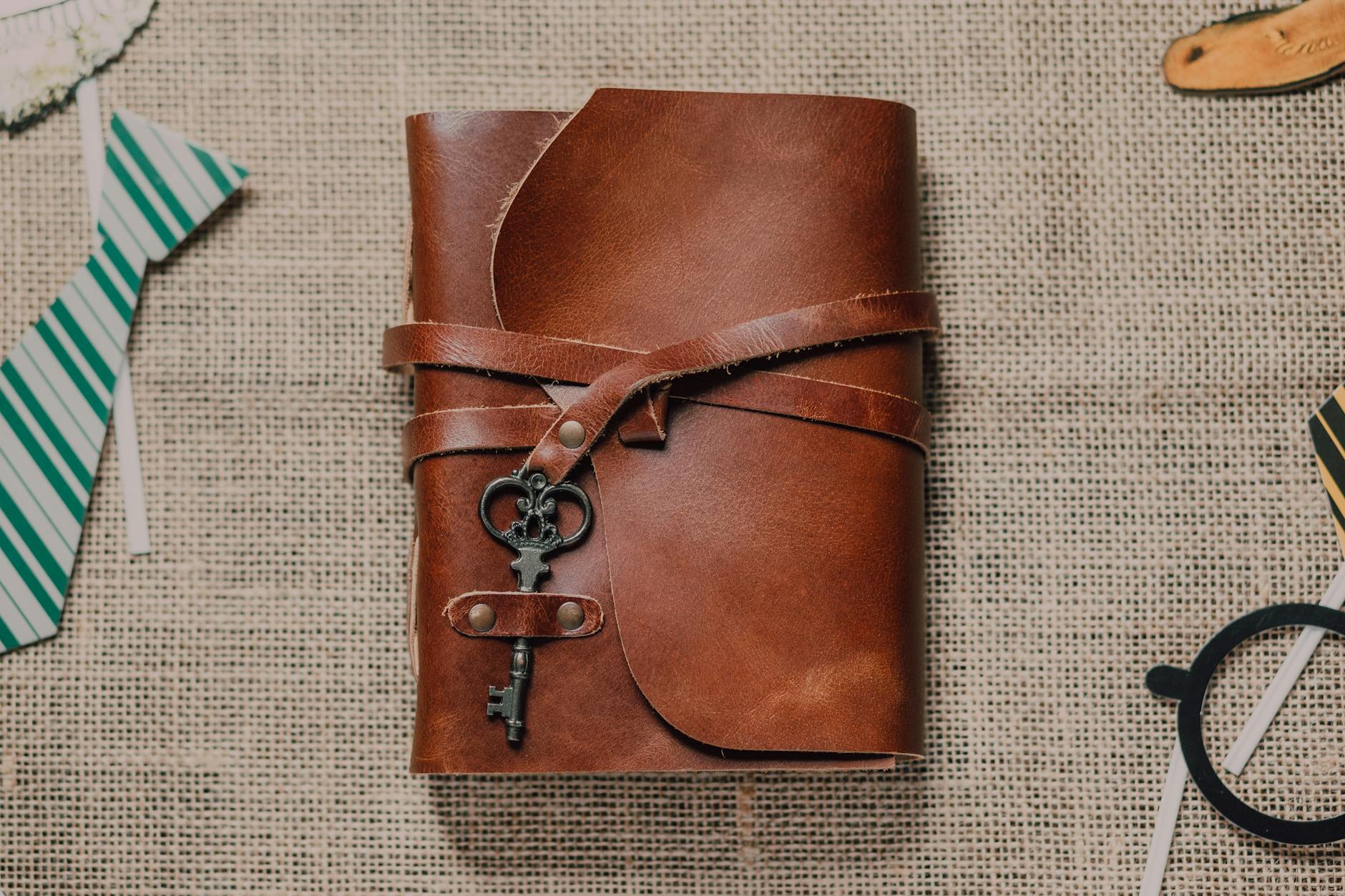
31. Secure Info
I recommend keeping this under lock and key! Many people are using journals for their passwords, account numbers, tax info, wills and trusts, and other important information.
32. Illustrated Planner
You can use a sketchbook for this one!
33. Recipes
It’d be so nice to have all these in one place instead of on pieces of scratch paper piled into bins in the pantry (yes, I’m looking at you, Mom!).
When all else fails, give your empty journals (or even full journals) away as gifts! Happy journaling!
